China’s scrambled weather and safety scrutiny tilt coal higher
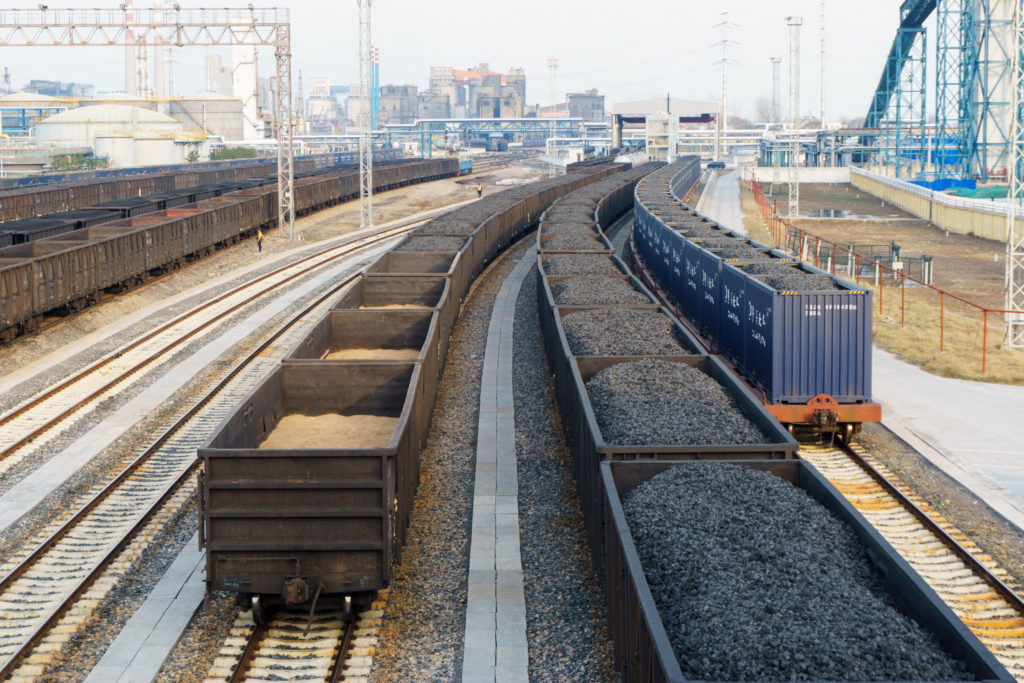
Chinese coal prices are creeping higher as the weather becomes more unpredictable and the government expands its supervision of mines in a bid to prevent accidents and curb overproduction.
Although the market for China’s mainstay fuel remains weak by historical standards, official scrutiny has introduced a new prop for prices. “The government’s ‘anti-involution’ drive to cut overcapacity with measures like safety checks could become the norm,” Bloomberg Intelligence said in a note.

Next week’s Fourth Plenum in Beijing has put the sector on high alert to avoid incidents that could overshadow the policy meeting. In addition, the government has instructed high-ranking inspectors to fan out across the country from November for an “annual safety exam” across industries that should amplify efforts to improve mining practices. Shanxi, a key coal-mining province, got a special mention in the official notice for its worrisome safety record.
Benchmark thermal coal prices at the port of Qinhuangdao rose to 723 yuan ($101) a ton on Wednesday, according to the China Coal Transportation and Distribution Association. They had troughed at a four-year low of 610 yuan a ton in June, the result of massive oversupply that Beijing’s anti-involution campaign is designed to reverse.
Flood impact
Shanxi and neighboring Shaanxi are two coal hubs already contending with floods that are likely to curtail supply in coming months, Li Xuegang, an analyst at the association, said at a briefing on Wednesday. Imports could slow as well, now that restocking for the winter is almost done, he said.
Set against tighter supply is the abundance of hydropower caused by heavy rains, which is likely to crimp the need for coal. A slowing economy is also capping consumption of the fuel.
The scrambled climate is playing heavily into the demand side of the equation. Unusually high temperatures in central and eastern China have kept air conditioners humming, while chilly rains in the north have forced several cities to turn on the heating about a month earlier than normal. Both should mean more coal use.
The various factors leave the market biased toward more increases, but judging levels is becoming trickier.
“We expect a mild gain, but how much exactly the price will be? You will get different answers.” said Li.
Read More: China’s iron ore, copper and coal imports rise to annual high
{{ commodity.name }}
{{ post.title }}
{{ post.date }}
Comments