China’s top copper smelters to cut output to combat negative processing fees
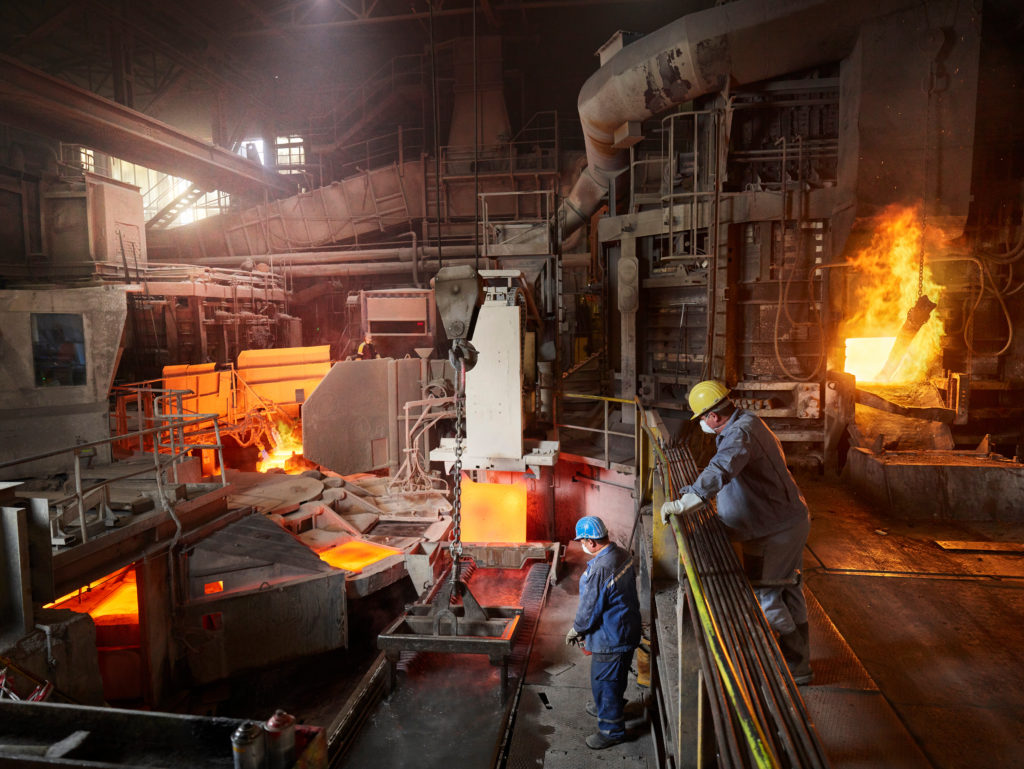
China’s top copper smelters will cut production by over 10% in 2026, to counter overcapacity in the industry that has led to increasingly distorted copper concentrate processing fees, according to a Chinese market information provider.
Treatment and refining charges (TC/RCs), which are traditionally paid by miners to smelters, have been negative in 2025 due to tight copper supply and expanding Chinese smelting capacity, leaving smelters effectively having to pay miners.
The China Smelters Purchase Team (CSPT), a group of the top copper smelters, said its members agreed to cut production to improve market conditions, according to Shanghai Metals Market on Friday.
The move follows comments by Chen Xuesen, vice president of China’s Nonferrous Metal Industry association, who said on Wednesday that the state-backed association “firmly opposes any free and negative processing” of copper concentrate.
Chen also said China had halted about 2 million metric tons of planned new copper smelting capacity.
The decision by the smelters and Chen’s speech adds to uncertainties amid negotiations between Chinese smelters and copper mining giant Antofagasta over next year’s supply contracts, which set a benchmark for TC/RCs.
The CSPT refrained from setting copper TC/RC guidance for the fourth quarter in late October, for the third time in a row.
The CSPT also said it will set up an oversight mechanism to monitor members’ spot tendering and procurement to stamp out “malignant competition”, while setting up a blacklist system to vet suppliers and assay providers, jointly resisting any parties considered to be “maliciously disrupting” the market.
The benchmark three-month copper was up 0.64% to $11,009.50 a ton as of 10:19 GMT.
(By Dylan Duan, Lewis Jackson and Beijing Newsroom; Editing by Joe Bavier, Elaine Hardcastle)

{{ commodity.name }}
{{ post.title }}
{{ post.date }}
2 Comments
WANG
Interesting piece – the decision by CSPT to cut output again shows how quickly overcapacity can destroy margins, even when copper prices are strong.
From the mine-site side we are seeing something similar: operators have to squeeze every possible saving out of power consumption, including ventilation and exhaust systems, while still keeping people safe underground.
I work in mine ventilation equipment and spend a lot of time talking with operators about how policy decisions at the smelter level eventually flow back into their technical and capex choices. It would be great to hear how others are experiencing this on the ground.
chris innis
This kind of reporting always begs the question, how manipulated is the mining and metals market around the geopolitical and political objectives of the CCP. And if it is, why isn’t there more litigation against Chinese policy at the WTO…. the answer here might be fear as one or two of the bigger miners have found out.