Chinese copper miners join $1.2 billion African rail revamp
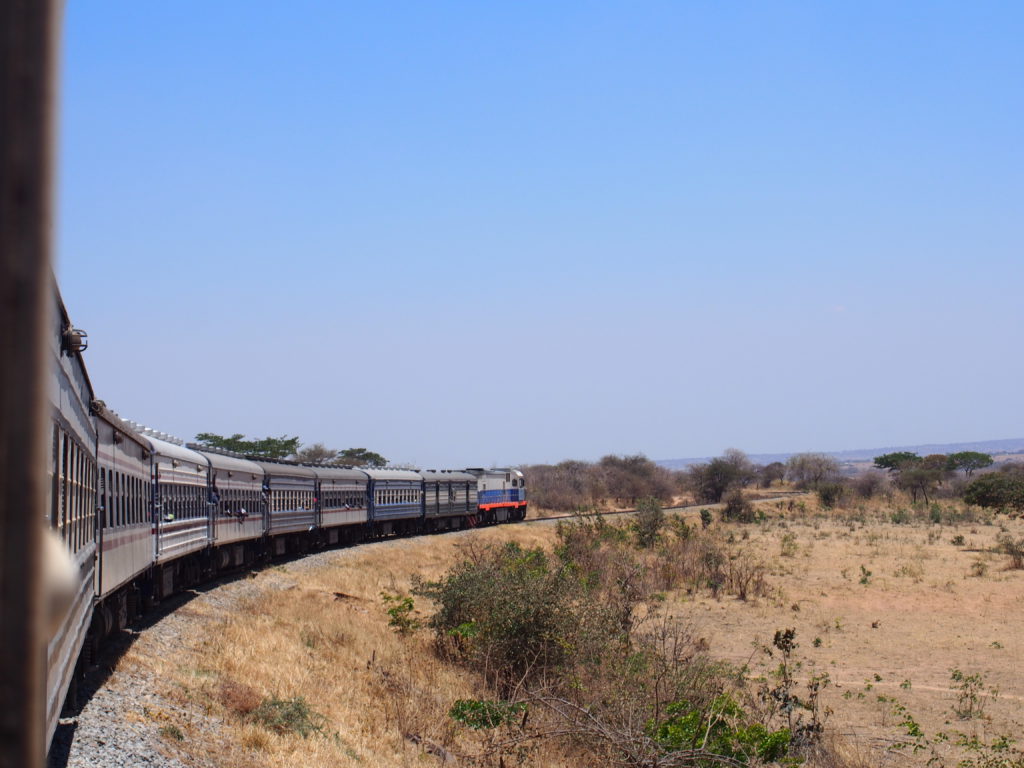
Chinese mining, shipping and logistics companies are joining a $1.24 billion project to revamp a railway linking Zambia’s copper region to a port on the Indian ocean.
Copper producers CMOC Group Ltd. and Zijin Mining Group Co. are teaming up with state-owned China Civil Engineering Construction Corp., or CCECC, to upgrade the 1,860-kilometer (1,156-mile) rail line that runs to Dar es Salaam in Tanzania.
CCECC – which signed a deal with Zambia and Tanzania in September to rehabilitate the so-called Tazara railway – will retain an 80% interest in the joint venture undertaking the project, according to a statement on Wednesday from Jiayou International Logistics Co., one of four firms taking 5% stakes. The other three are units of Zijin, CMOC and COSCO Shipping Holdings Co., Jiayou said.
The backing for the Chinese project comes as Washington tries to loosen Beijing’s grip on supply chains for critical minerals in Africa. The US concluded a bilateral minerals partnership with the Democratic Republic of Congo in December that grants American companies preferential access to some of the country’s abundant reserves of metals.
The Tazara link — originally built with Beijing’s assistance under Mao Zedong in the 1970s — will compete with the Lobito Corridor, a rail project backed by the US and European Union. That railway connects the same copper-rich region of central Africa to an Angolan port on the west coast of the continent.
CMOC and Zijin are among the Chinese miners that dominate metal exports from Congo, the world’s No. 2 copper producer and the biggest source of battery material cobalt. By contrast, Western firms – particularly Canada-headquartered First Quantum Minerals Ltd. and Barrick Mining Corp. – account for most output in neighboring Zambia.
Tanzania and Zambia granted CCECC a 30-year concession to operate the line. Once completed, the rehabilitated infrastructure will ease congestion on roads in Zambia and Congo, from where most mineral cargoes are currently trucked over long distances to African ports.
The Chinese companies will invest in the Tazara project according to the size of their interests in the Dubai-registered joint venture entity, according to Jiayou, which will contribute $62.2 million. The partners will operate freight services on the line after renovating the railway and purchasing equipment including locomotives and containers, it said, adding that the project still needs to complete the approval and filing process with China’s government.
The investments reflect a shift in China’s Belt and Road Initiative to increasingly partner with private companies to operate projects on commercial terms.
State-owned COSCO is China’s largest container line, while Jiayou is the majority owner of one of Zambia’s biggest trucking firms and is developing road concessions in the country. Zijin is also Jiayou’s second-biggest shareholder, with a 17.5% stake in the group.
Washington’s pact with Congo recognizes the “strategic nature” of the Lobito Corridor and aims to increase the volume of minerals exported to the US and its allies using the railway.
(By William Clowes, Annie Lee and Matthew Hill)
{{ commodity.name }}
{{ post.title }}
{{ post.date }}
Comments