CMOC Congo mine pollution damaged local health, report says
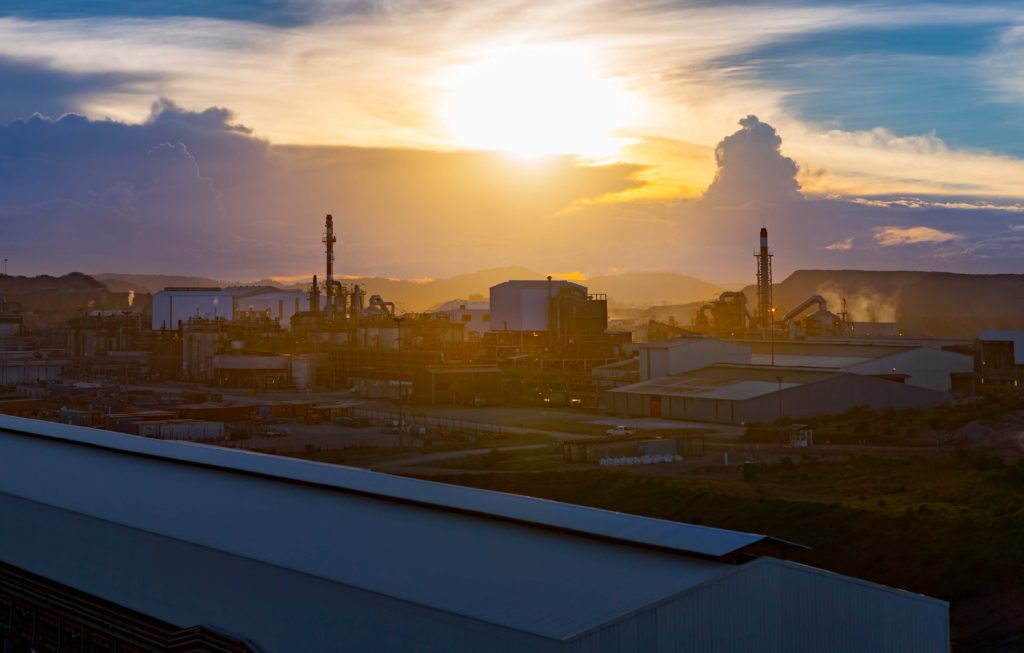
Air pollution by the world’s biggest cobalt producer appears to have damaged the health of local communities in the Democratic Republic of Congo, according to an investigation by environmental groups.
Emissions from a processing plant run by a unit of CMOC Group Ltd. are “at the heart of the public health crisis that has allegedly harmed nearby communities and the workers who labor in the facility,” according to a report released Tuesday by the nonprofit Environmental Investigation Agency US.
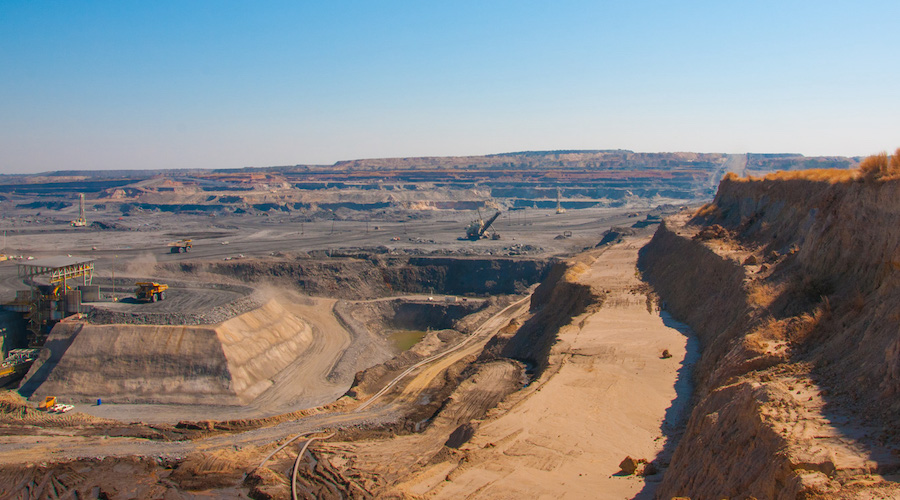
CMOC – which disputes the allegations – owns two large copper-cobalt operations in Congo, which have enabled the Chinese company to become the No. 1 supplier of the metal used in electric-vehicle batteries. The investigation carried out by the EIA and Congolese group PremiCongo centers on the Tenke Fungurume mine, which CMOC acquired in late 2016.
As part of its rapid expansion, CMOC built a vast new processing complex at Tenke in 2023, next to the town of Fungurume, according to the report. Health records analyzed by EIA investigators and independent experts show “a growing flow of patients” treated “for coughing up blood and severe respiratory illnesses like pneumonia and bronchitis” since the plant began operations, the report said.
Air monitoring between September 2024 and January 2025 indicated levels of sulfur dioxide – a toxic gas generated when processing copper and cobalt ores – “well in excess” of international standards, it said. According to the report, the data “reveal how the health crisis has persisted, spread across the populations and likely even worsened.”
The EIA called on CMOC to establish a process to pay reparations to residents and workers harmed by the pollution, and to suspend work at the plant until “neutralization systems” are in place.
“The report contains much exaggerated and even inaccurate content. Since the report has just been published, TFM’s ESG team is currently identifying the inaccuracies and preparing evidence,” a CMOC spokesperson said. The company said its own monitoring of sulfur dioxide levels revealed that concentrations “remained within applicable regulatory limits” under Congolese law and relevant international norms.
Congo is now the world’s second-biggest copper producer after a decade-long boom during which output of the metal that is key to the energy transition has more than tripled. Copper and cobalt are normally extracted together in the central African nation.
Glencore Plc, Ivanhoe Mines Ltd. and Zijin Mining Group Co. Ltd. also own mines in the same region as CMOC.
The EIA said its report involved more than three years of investigations, analyzing more than 1,200 health records and interviews with dozens of affected local residents.
(By William Clowes)
More News
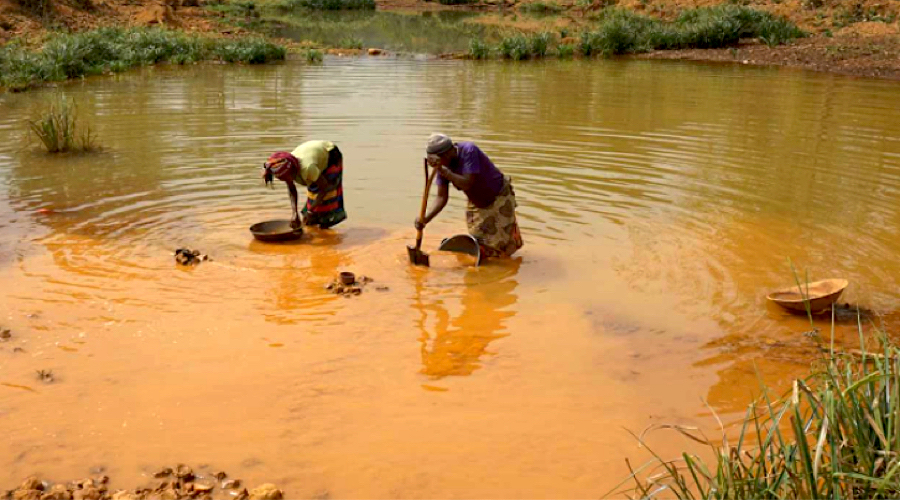
Banks failing to screen for illegal mining risks, report finds
March 10, 2026 | 07:29 am
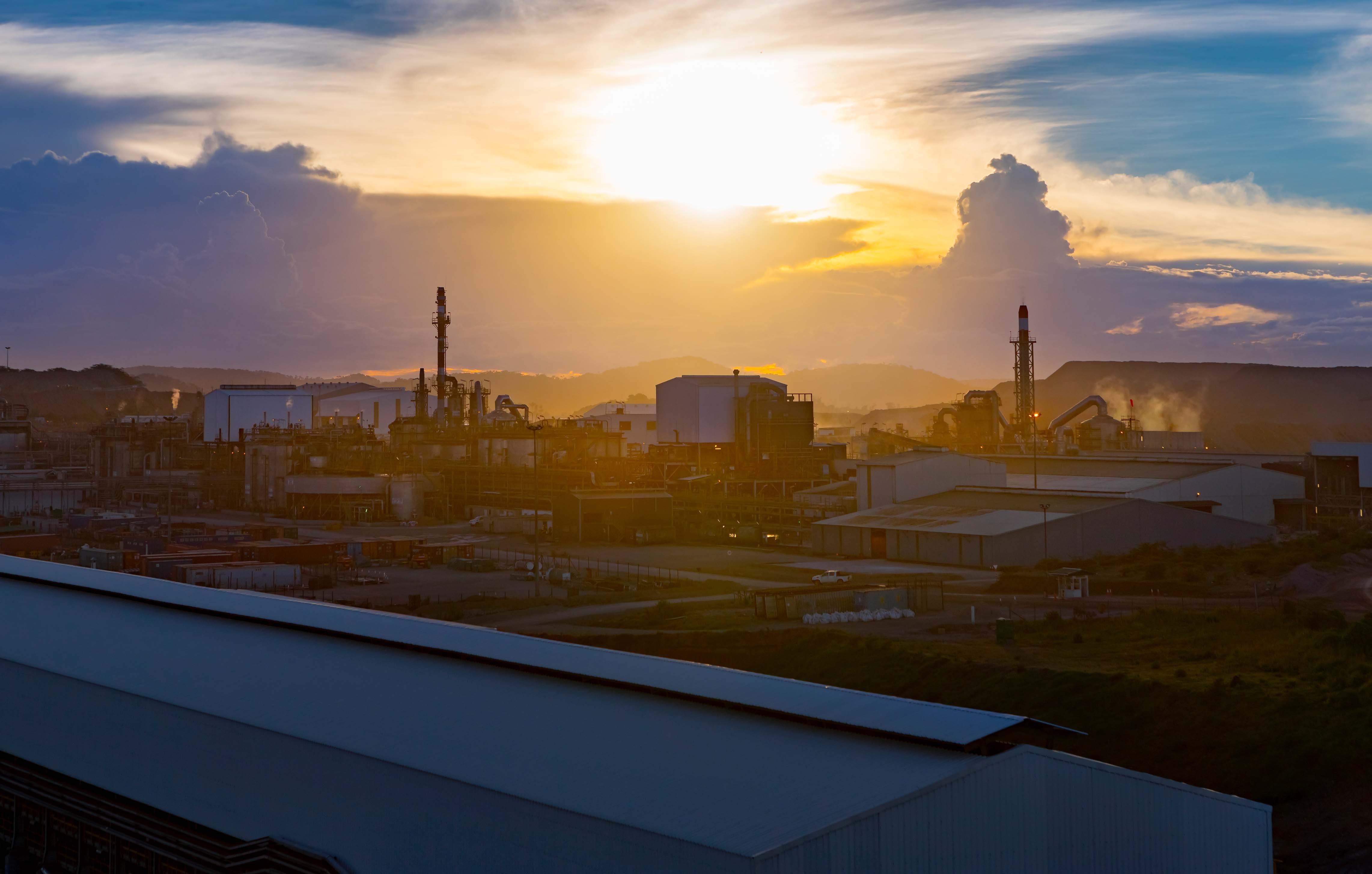
CMOC Congo mine pollution damaged local health, report says
March 10, 2026 | 07:18 am
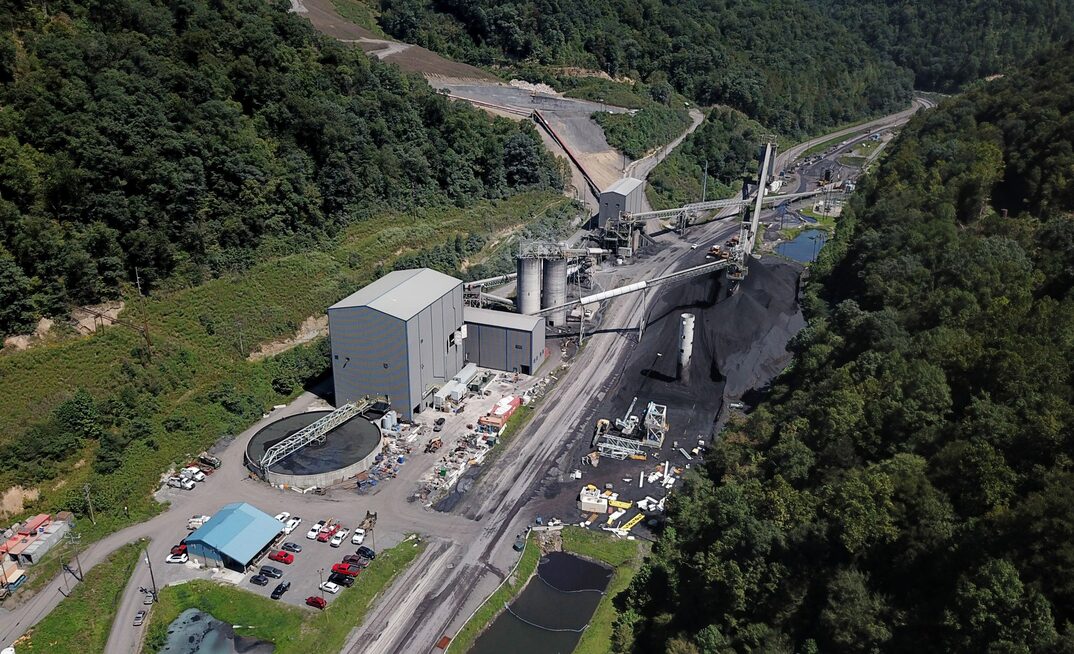
US coal miner in talks with Japanese firms on rare earths supply
March 10, 2026 | 07:10 am
{{ commodity.name }}
{{ post.title }}
{{ post.date }}


Comments