Column: China steel exports surge but aluminum shipments slide
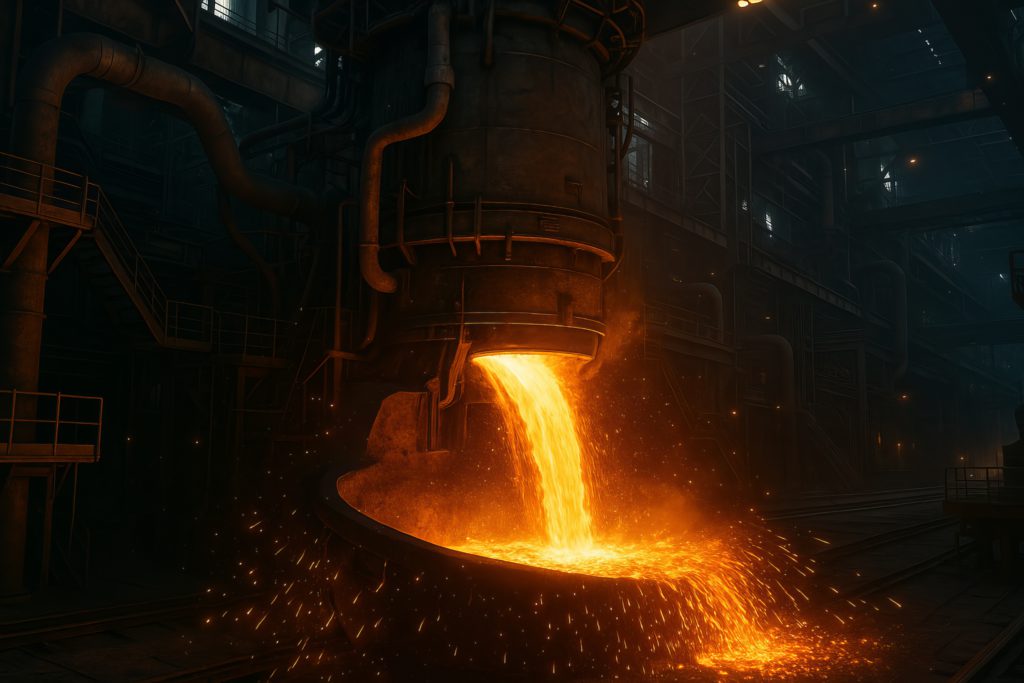
China’s exports of steel products have surged this year as domestic demand – particularly from property development – slumps, while those of aluminum have tumbled on rising activity from the manufacturing and energy sectors.
China produces more than half of the world’s steel and aluminum. But in an effort to rein in overcapacity, Beijing has set informal production ceilings, which both sectors are likely to brush up against.
Steel production is informally capped at no more than the previous year’s 1.005 billion metric tons, and given production for the first 10 months of the year was 817.87 million tons, it’s likely that 2025 output will dip below 1 billion tons, the first time this has happened since 2019.
Ongoing weakness in the property construction sector is blamed for soft steel demand, and mills have tried to compensate by exporting more.
China’s exports of steel products rose 6.7% to 107.72 million tons in the first 11 months of the year compared to the same period in 2024, according to customs data released on Monday.
Assuming December exports are around the average for the year, it would mean China’s steel shipments will be in the region of 117 million tons, which would mark a record high, eclipsing the 112.39 million tons from 2015.
Exports currently make sense for steel mills, as domestic prices are languishing near five-year lows, with Shanghai exchange rebar ending at 3,128 yuan ($442.43) a ton on Monday, having traded mostly sideways since a low of 3,012 yuan hit in early June.
Chinese steel is priced competitively against other benchmarks, with LME contracts on Turkish rebar ending at $560.50 a ton last week.
China has managed to boost steel exports despite several countries placing tariffs on imports in order to protect domestic producers.
It should be noted that much of China’s steel heads to other Asian countries, especially those with limited domestic steel production, meaning it makes economic sense to purchase cheaper Chinese steel products.
Aluminum slump
In contrast to steel’s export growth, China’s shipments of refined aluminum and products have dropped, with exports for the first 11 months of the year falling 9.2% to 5.59 million tons.
China’s aluminum production is expected to come in very close to the 45 million ton annual cap, and more demand from the country’s manufacturing and energy sectors has meant there is less available metal for export.
The loss of Chinese aluminum in global markets lifted benchmark London prices to $2,920 a ton on December 5, the highest since May 2022. The contract has jumped 27% since its 2025 low of $2,300 in early April.
Rising prices have given some reprieve to Western-based smelters, which have struggled to remain competitive in recent years, especially those in Europe and Australia that have faced rising energy costs.
If Beijing keeps the annual aluminum output cap at 45 million tons, it’s likely to tighten global supplies further in 2026.
The question is whether China’s steel sector is likely to follow in aluminum’s footsteps.
If the assumption is that Beijing will limit annual steel production to a maximum of 1 billion tons, it will depend on how quickly domestic demand recovers.
As long as construction remains a drag, it’s likely that China’s steel mills will continue to try to export their way to profitability, or lower capacity through retiring old furnaces.
(The views expressed here are those of the author, Clyde Russell, a columnist for Reuters.)
(Editing by Edwina Gibbs)

{{ commodity.name }}
{{ post.title }}
{{ post.date }}

Comments