Column: China’s robust iron ore imports are going into storage, not steel
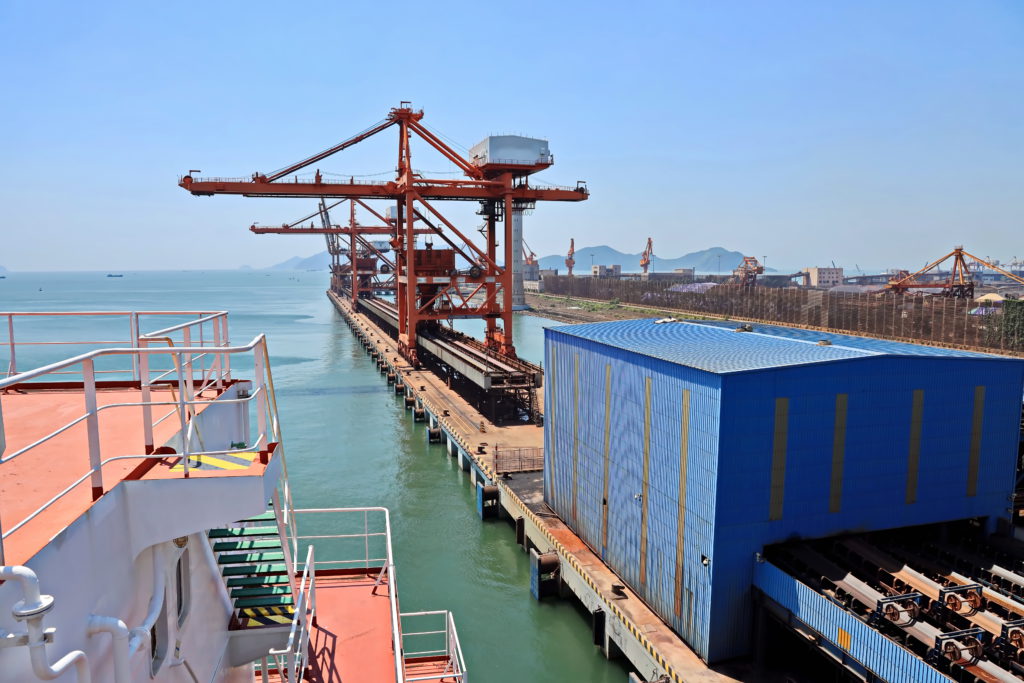
China increased imports of iron ore at the start of this year, but the extra volumes are being used to build inventories to record highs rather than lift steel production.
The increase in imports appears largely driven by softer prices for the key steel raw material, but it is also fortuitous given the potential for the fallout from the US and Israeli attacks on Iran to spread beyond energy markets.
China, which buys about three-quarters of global seaborne iron ore, saw arrivals of 210.02 million metric tons in the first two months of 2026, up 10% from the same period a year earlier, according to customs data released on March 10.
The robust start to the year came after imports hit a record monthly high of 119.65 million tons in December, which took arrivals for 2025 to an all-time annual high of 1.26 billion tons.
The strength in iron ore imports isn’t because of higher steel production, with output in the first two months dropping 3.6% from the same period in 2025 to 160.34 million tons, according to official data released on March 16.
The weaker steel production continued the trend from 2025, when annual output dropped to a seven-year low of 960.81 million tons.
Rather than being consumed by steel mills, China has been building stockpiles, with port inventories monitored by consultants SteelHome rising to 166.91 million tons in the week to March 13.
This is up 28% from the recent low of 130.1 million tons in early August and is the highest in SteelHome data going back to 2012, eclipsing the previous record of 161.98 million in June 2018.
There are several factors driving China’s strong imports of iron ore, but the primary one is likely price.
Singapore Exchange contracts had been on a declining trend since reaching a 14-month high of $108.89 a ton on January 12.
The decline in prices ended at $98.20 a ton on February 20, but it lasted long enough to boost arrivals at the start of the year and likely into March as well, with commodity analysts Kpler estimating seaborne imports of around 109 million tons.
Strong supply from top exporters Australia and Brazil in the absence of usual seasonal weather disruptions also boosted the availability of cargoes and China acts as a clearing house for any surplus iron ore.
Since the low in late February prices have shifted higher, partly in response to the conflict in the Middle East, reaching $107.10 a ton on March 17, before easing slightly to end at $106.30 on Wednesday.
Iran risks
So far the impact on iron ore flows to China from the US and Israeli war on Iran is limited to higher freight charges as the price of fuel oil soars along with prices for other oil products such as diesel and jet fuel.
But there is the potential for wider disruptions, especially if top exporter Australia and number four South Africa start to run short of diesel.
Both countries are major importers of refined products and in Australia mining accounts for about 40% of total diesel demand.
In a situation where refined fuel cargoes become hard to source at any price, Australia will have to ration fuel and prioritize food production and distribution, and emergency services.
While shutting down the mining industry would be a radical step, it would be the only option left if fuel-exporting countries limit or halt shipments, as China has already done.
For now, China is likely to continue iron ore imports at robust levels as prices aren’t yet high enough to act as a disincentive.
A further incentive to continue imports is the potential for disruption to supplies from diesel shortages, even though that is still a fairly small possibility.
(The views expressed here are those of the author, Clyde Russell, a columnist for Reuters.)
(Editing by Jacqueline Wong)
{{ commodity.name }}
{{ post.title }}
{{ post.date }}

Comments