Column: Funds amass record bull bets on aluminum as market narrative turns
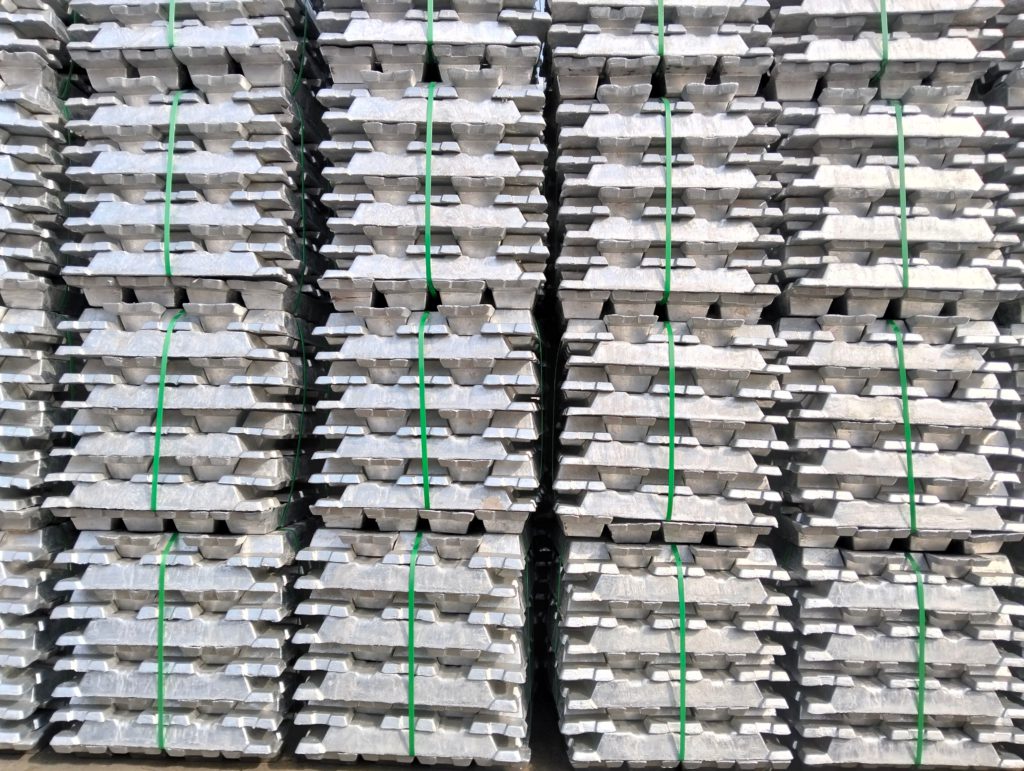
Fund money has surged into the London Metal Exchange (LME) aluminum contract over the past couple of months as investors bet that the market’s days of chronic oversupply are coming to an end.
Investors have built up record long positions, fueling a six-month rally that has seen the LME three-month metal trade this week above the $2,900 per metric ton level for the first time since May 2022.
The speculative inflows speak to a change of narrative in the aluminum market.
With production in China, the world’s largest producer, now running up against the government’s capacity cap, there is growing concern that the market may be heading towards a structural supply deficit for the first time in decades.
That may seem a strange statement, given a single-day 102,275-ton booster to LME inventory last week but, as is often the case with the aluminum market, LME stock movements can be very deceptive.

Turning bullish
Investment fund net positioning on the London aluminum contract has swung from neutral to full-on bullish in the space of six months.
The collective net long position has risen above 130,000 contracts for the first time since early 2022, when LME aluminum spiked to a record high of $4,073.50 per ton in the wake of Russia’s invasion of Ukraine.
Outright long positions of 198,744 contracts, equivalent to almost five million tons, are the largest collective bet on higher prices since the LME first started publishing its Commitments of Traders Report in February 2018.
Bear bets have been cut from over 100,000 contracts in April to 68,233, accentuating the swing in net positioning.

Stocks shuffle
You might have thought that the delivery of over 100,000 tons of aluminum onto LME warrant last Thursday might have damped bullish exuberance about an imminent shortage of metal.
However, the impact on outright price and time-spreads has been muted. True, the benchmark cash-to-three-months period is no longer in backwardation but the move to contango has been marginal.
That’s because this wasn’t fresh metal being delivered but rather a rotation of inventory from off- to on-warrant storage.
The jump in registered stocks at Malaysia’s Port Klang was accompanied by a similar-sized fall in off-warrant inventory held in the same location.
The stocks carousel has been turning a long time at Port Klang as traders and banks scrap for units to lock in lucrative rent deals. But the latest volumes are much diminished by comparison with past stock shuffles.
Crucially, total LME inventory, registered and off-warrant combined, actually fell by 14,225 tons in October with the headline figure hovering just above the 700,000-ton level for the fifth consecutive month.
It’s worth remembering that a significant part of what’s in the LME system is Russian metal, which is subject to an outright import ban in the United States and creeping sanctions ahead of a full ban next year in the European Union.

Premium power
This latest stocks shuffle has been of largely Indian-brand aluminum, which is now eminently more marketable than Russian material to Western buyers.
This is particularly so in the United States, where physical premiums have been steadily rising ever since US President Donald Trump hiked duties on imports to 25% in February and then doubled them to 50% in June.
The CME spot US Midwest premium , payable by US consumers over and above the basis LME price, is now at an all-time high of $0.89 per pound, equivalent to $1,938 per ton.
US delivery now costs 67% of the LME price, suggesting that inventory accumulated ahead of the tariff hike has been drawn down and the American market is running short of metal.
That pulling power is starting to see aluminum fall off the LME stocks roundabout in Port Klang and head westwards.
Trading house Mercuria, which has been running a dominant long position on the LME contract for many months, is shipping more than 30,000 tons of aluminum to the United States, Reuters reported last week.
Even LME warehouses cannot compete with the currently elevated premium for US delivery, which is why so little fresh metal has entered the LME system despite months of rolling squeeze on the London market.
And until it does, funds will have no reason to question aluminum’s newly-minted bull narrative.
(The opinions expressed here are those of the author, Andy Home, a columnist for Reuters.)
(Editing by Emelia Sithole-Matarise)

{{ commodity.name }}
{{ post.title }}
{{ post.date }}
Comments