Congo sets new export conditions to keep tight grip on cobalt
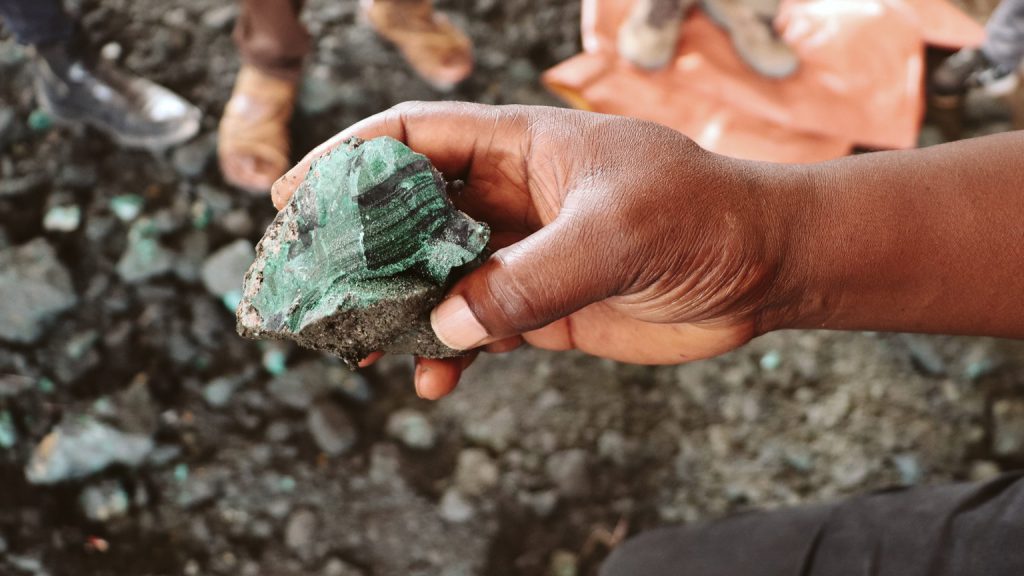
Congo has set new conditions for cobalt exporters, according to a government circular reviewed by Reuters, potentially complicating a recently introduced quota system as the country seeks to keep a tight grip on the key battery mineral.
The new conditions require miners, among other things, to pre-pay a 10% royalty within 48 hours and secure a compliance certificate, the circular shows.
The Democratic Republic of Congo replaced a months-long export ban with a quota system in October, aiming to boost state revenues and tighten oversight in a country that produces more than 70% of the world’s cobalt, a key component in electric vehicle batteries.
No shipments have moved since the ban was lifted as producers seek clarity and work to meet compliance rules, Reuters has previously reported.
The joint circular from the mines and finance ministries, dated November 26, sets out procedures for exporters, including mandatory quota verification, joint sampling, weighing and sealing of lots, and issuance of a new Quota Verification Certificate (AVQ) by the Authority for the Regulation and Control of Strategic Mineral Substances’ Markets (ARECOMS).
The AVQ must accompany export documentation alongside a checklist of certificates from multiple agencies. The rules took effect immediately.
Exporters must also pre-pay a 10% mining royalty on allocated quotas within 48 hours of filing origin and sales declarations, and obtain a “liberatory receipt” before customs clearance.
All mineral shipments will undergo physical inspections and be subject to multi-agency oversight, the circular states.
The mines and finance ministries did not immediately respond to requests for comment, nor did Congo’s mines chamber.
Cobalt exporters facing uncertainty
Congo allocated 18,125 metric tons of export quotas for the fourth quarter of 2025 and plans 96,600 tons annually from 2026. Top producers China’s CMOC and Glencore received the largest quotas, while ARECOMS retained a 10% strategic reserve.
Congo has warned that non-compliance could lead to severe penalties, including licence revocation.
A mining executive, who declined to be named due to the sensitivity of the matter, said there was considerable uncertainty around the new conditions.
“Companies want to understand whether the 10% royalty to be paid for export will take into account the amount from the last export (before the ban),” the executive said.
Panmure Liberum analyst Duncan Hay said: “Congo’s shifting export rules offer no certainty — last-minute royalty demands and complex paperwork will keep exports and prices volatile.”
Cobalt is currently trading around $24 a lb or $52,910 a ton, compared with $16 a lb or $35,275 a ton in August. Prices have been climbing since hitting a nine-year low around $10 a lb in February when the export ban was introduced.
Further supply insecurity could erode battery demand, said Hay.
Congo, also a major copper supplier, is pushing reforms to gain more control over its vast mining output. It launched its first batch of traceable artisanal cobalt last month and signed a partnership with Swiss commodity trader Mercuria to market cobalt, copper and other critical minerals.
(By Ange Kasongo in Kinshasha and Maxwell Akalaare Adombila; Editing by Mark Potter)
More News

{{ commodity.name }}
{{ post.title }}
{{ post.date }}


Comments
Mukoka Kazadi
Very very good for deal