Europe’s fledgling lithium dreams face pivotal test in Portugal
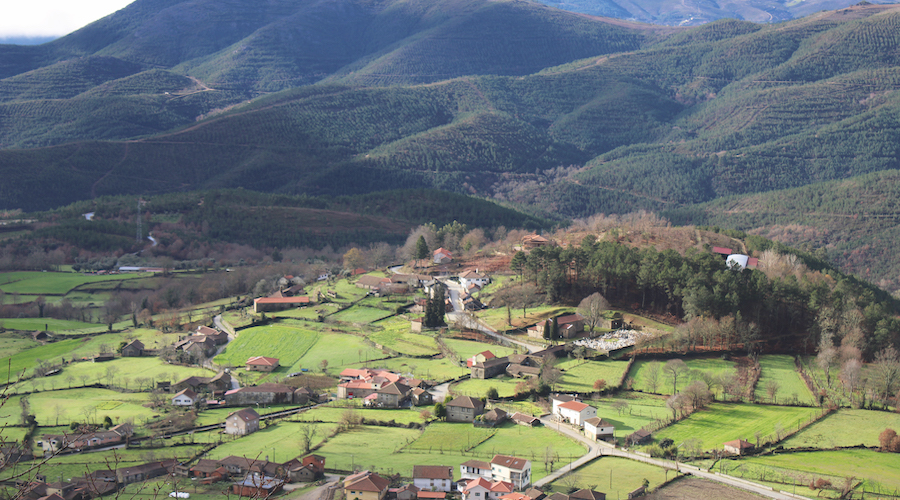
Savannah Resources Plc is preparing for a pivotal stage in Europe’s push to secure battery metals, as it lines up financing for what could become the bloc’s largest domestic source of lithium.
The London-listed firm is completing a feasibility study at its Barroso project in northern Portugal and has started structuring funding for construction, which is expected to require €300 million ($350 million) to €350 million over the next two and a half years.
The European Union designated Barroso a strategic project earlier this year, a move that Savannah expects to unlock funding that will help defray an unspecified portion of the cost. The company has so far relied on its own resources, according to chief executive officer Emanuel Proença, spending about €50 million since securing the concession in 2017.
“Projects of this kind, with this strategic profile, would normally already have received EU development support at this stage,” Proença said in an interview at the company’s Lisbon offices. “I would expect there will be some kind of support fund going forward, repayable or not, to accelerate the project’s development. The construction phase is the largest financial outlay.”
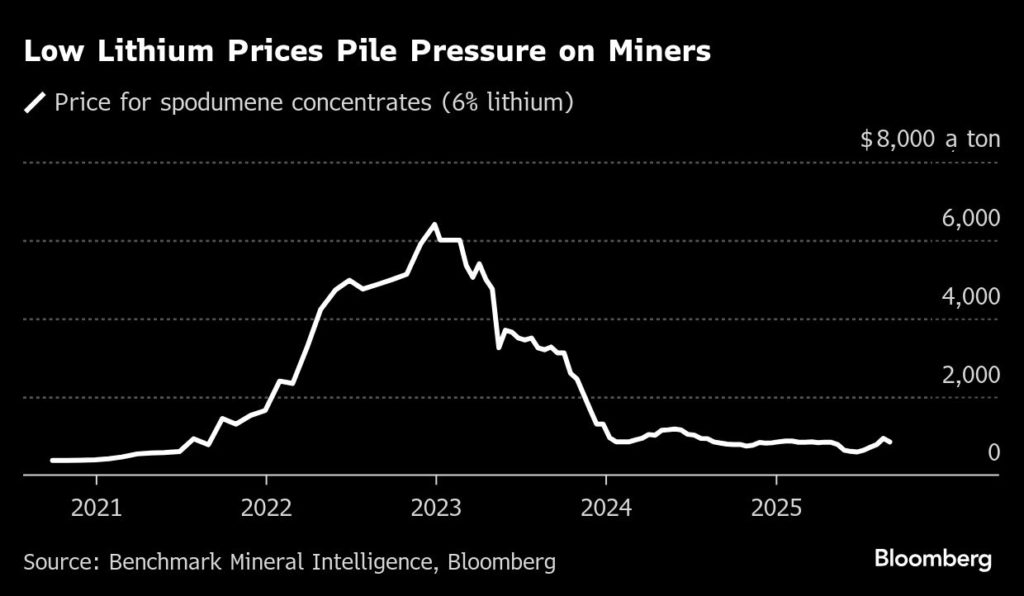
The company is pushing ahead with its project at a challenging moment for the global lithium industry. Established producers in Australia, Chile, and China are facing steep losses as oversupply continues to pressure the market. A recent rebound in lithium prices has fueled hopes of a recovery, but many producers stand ready to ramp up output if the rally holds.
This is creating a difficult fundraising environment, making government backing potentially critical for early-stage projects.
Yet the EU has been widely criticized for moving too slowly. The bloc remains fully dependent on imports for lithium and other critical minerals, while timelines at many designated strategic projects continue to slip.
Proença says the Barroso project can break even with lithium prices at $600 a ton and the company’s goal is to compete on price with much larger producers to supply the European market. Savannah hopes to find a niche in customers seeking supply-chain security and a shorter transportation route from the site of extraction.
Production is now expected to begin in 2028, Proença said, pushing back the earlier target of 2027. Although Portugal has mined lithium for the ceramics industry for decades, it has yet to produce battery-grade material at scale. The Barroso project can potentially command a valuation of around €1 billion, he said.
Some of Savannah’s key investors include AMG Lithium BV, Al Marjan Ltd., Grupo Lusiaves SGPS SA and Portuguese businessman Mário Ferreira. The company last raised £4.8 million ($6.5 million) in June from existing shareholders, new Portuguese investors and Savannah staff.
Portugal is positioning itself as an anchor for Europe’s push into the battery supply chain. CALB, a manufacturer partly owned by the Chinese state, this year began building a $2.3 billion lithium battery plant near Sines, a deep-water port on the southwestern coast. The town of Estarreja, about 50 kilometers (31 miles) from Porto in northern Portugal, is one of the frontrunners for a lithium refinery project.
The Stellantis NV car assembly plant near Viseu began mass production of fully battery-electric light commercial vehicles last year. Volkswagen AG’s Autoeuropa plant in Palmela is set to start manufacturing a new electric model, expected to hit the market in 2027.
Savannah’s exploration project has faced controversy. In a 2023 public consultation, it sought feedback about potential risks to water quality, biodiversity and the region’s agricultural heritage after critics raised concerns. Earlier this year, the company briefly suspended prospecting after landowners contested government authorization to access private property, though the injunction was overturned weeks later.
On Sept. 3, a United Nations committee ruled that Portugal violated an international treaty by restricting public access to information about the Barroso mine during the environmental licensing process.
Proença said the company has increased its community engagement, noting that Savannah employees have participated in local events and that an information center has been converted into a community hub.
“We believe this will be a very good project for everyone, from local stakeholders to shareholders,” he said. “There is still a great deal of important and exciting work ahead.”
(By Sofia Horta e Costa and Joao Lima)

{{ commodity.name }}
{{ post.title }}
{{ post.date }}

Comments
William Tahil
Savannah acquired this project in May 2017 – over 8 years ago and it has been beset by legal challenges. However the best factor in favour of the project now is that AMG took a ~16% stake last year. They already operate the Mibra lithium mine in Brazil so they have spodumene mining expertise and have built a downstream converter at Bitterfeld in Germany, which is definitely the first lithium refinery in Europe – it was officially opened in September last year. So there is a guaranteed destination for the mine’s output and they won’t need to sell low value concentrate on the open market, it will go straight into European LHM production. AMG also intend to concentrate ore from Grupo Lagoa’s pegmatite mine which is located near Barroso. Rail transport logistics from both mines to Bitterfeld can be combined, reducing costs. The only issue is that the deposit is rather small, only 727 kt LCE compared to Jadar in Serbia at 6 Mt LCE which is also much higher grade. Jadar is the project that Europe really needs. But Barroso is an important project for Europe, it’s bigger than Keliber in Finland which starts up next year.