Ghana bans mining in forest reserves to curb environmental damage
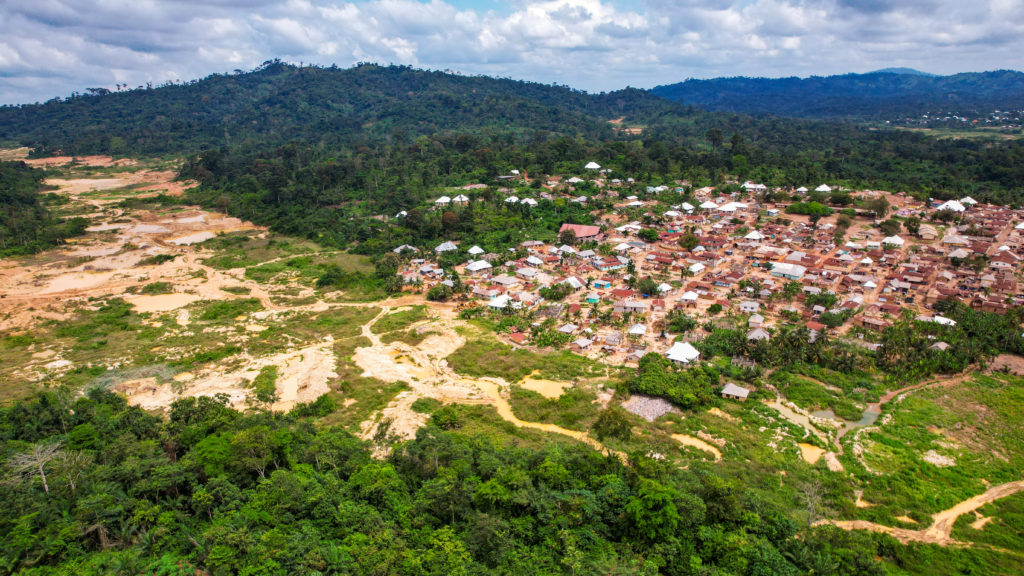
Ghana has banned mining in forest reserves as part of sweeping environmental protections aimed at safeguarding water bodies and halting deforestation, the Ministry of Environment, Science and Technology said.
Africa’s top gold producer is battling a surge in poorly regulated small-scale mining that is destroying cocoa farms, degrading forests and rivers, and heightening sustainability risks for its mining sector, sparking protests.
Industrial miners report frequent incursions by illegal operators onto concessions, forcing key operators like Gold Fields, AngloGold Ashanti, Newmont and Asante Gold to ramp up investments in security systems, surveillance drones, and community engagement programs.
Illegal mining now spans 13 of Ghana’s 16 regions, including key cocoa belts in Ashanti, Western and Eastern, according to government data. Authorities have been overhauling the sector by licensing artisanal miners, creating community schemes, and deploying security to curb illegal mining and gold trading.
The Environmental Protection (Mining in Forest Reserves) Regulations, introduced in 2022, allowed controlled mining in forest reserves.
The repeal took effect this week after a 21-day constitutional period and will give the world’s second-largest cocoa producer stronger legal tools to protect forests, water sources and farmland, the ministry said in a statement late Wednesday.
“Healthy forests bring rainfall, protect our farms, and give life to our communities. Clean rivers secure our drinking water and our future,” Acting Environment Minister Emmanuel Armah-Kofi Buah said.
The move marks a major shift in Ghana’s environmental policy, restoring protections for forests after it opened nearly 90% of reserves to mining, said Daryl Bonsu of A Rocha Ghana, an environmental advocacy.
“The repeal alone will not be the panacea … We now have an opportunity to address teething issues of encroachment from logging and farming and to put in place a national forest development program to restore and grow our forests to serve present and future generations.”
(By Christian Akorlie and Maxwell Akalaare Adombila; Editing by Mark Potter)

{{ commodity.name }}
{{ post.title }}
{{ post.date }}
Comments