Glencore said to close in on sale of Kazzinc mining operations
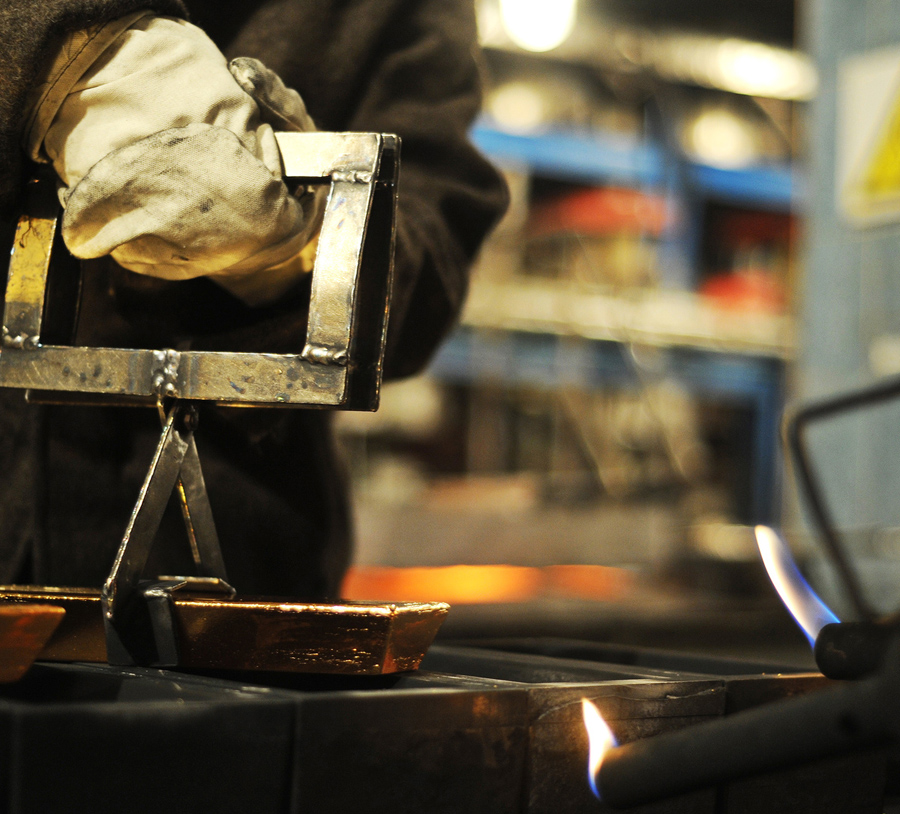
Glencore Plc is in talks to sell its stake in Kazzinc Ltd. in Kazakhstan to local businessman Shakhmurat Mutalip as part of a series of deals that could reshape the country’s vast mining landscape.
Mutalip, the owner of infrastructural building group Integra Construction KZ, is in discussions with Glencore to purchase the miner’s 70% stake in zinc and gold producer Kazzinc, according to people familiar with the matter, who asked not to be identified as the talks are private. The deal could be worth between roughly $4 billion and $4.5 billion, and Glencore may extend funding for the purchase, they said.
Separately, Mutalip is also in discussions to buy 40% of Eurasian Resources Group from the families of two of the Kazakh mining group’s founders, and is talking to both Glencore and rival trader Mercuria about funding for that transaction, the people said. While the talks are well developed, there is no guarantee any or all of the deals will complete, they said.
In a third potential major transaction, Mutalip is also discussing the purchase of gold producer Altynalmas, and has been in touch with possible financiers for that deal, the people said.
Should the three deals successfully close, it will mark a major shift in the power structures of Kazakhstan’s mining industry, giving Mutalip consolidated control over a sprawling network of large-scale assets producing an array of industrial and precious metals from aluminum to zinc.
Glencore and Mercuria declined to comment. Integra Construction, Kazzinc, ERG, and Altynalmas did not respond to requests for comment.
Glencore has held various talks in the past year about selling its mines, concentrators and metal finishing plants across Kazakhstan, which have helped to underpin its decades-long dominance in the global zinc market. Kazzinc was one of Glencore’s most profitable assets last year, thanks largely to surging prices for gold, which it mines as a byproduct.
The move comes at a pivotal time for Glencore, which this month saw talks to combine its business with Rio Tinto collapse, scuttling what would have been the mining industry’s largest ever deal. The company is increasingly focused on growing its copper business, a commodity favored by investors, while also exiting some its more challenging units.
As part of the talks with Mutalip, Glencore has discussed helping to fund the purchase of Kazzinc in return for marketing rights for the material produced, a valuable resource for its giant trading operations. It also plans to keep some exposure to the unit’s gold earnings, with the metal trading near $5,000 an ounce, the people said.
Glencore is also in talks with Mutalip to help fund his purchase of the ERG stake, and in return would get offtake agreements that will include sales of chrome, a market where it’s already a major producer, according to the people.
However, rival commodity trader Mercuria Energy Group Ltd. has also been in talks with Mutalip to provide funding for the purchases of the Kazzinc and ERG stakes in return for marketing rights for their output, some of the people said. Mercuria financed a deal for another construction tycoon, Nurlan Artykbayev, to purchase copper producer Kazakhmys in December.
Mutalip and Artykbayev have emerged as prominent members of a business elite that’s become more influential since President Kassym-Jomart Tokayev consolidated power in the wake of riots in 2022, which he called an attempted coup. Since then there has been a noticeable shift of wealth and authority away from the circles that flourished during Nursultan Nazarbayev’s long presidency.
(By Nariman Gizitdinov, Thomas Biesheuvel, Jack Farchy and Archie Hunter)
More News
{{ commodity.name }}
{{ post.title }}
{{ post.date }}
Comments