Guinea’s Simandou construction linked with water, soil pollution
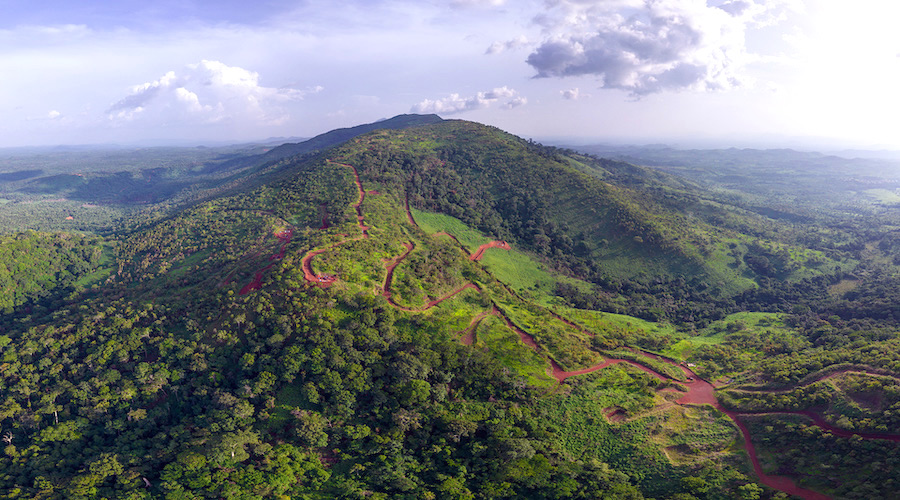
Water bodies and soil in local communities surrounding Guinea’s Simandou iron ore project have been found to be contaminated, due to the construction activities associated with the world’s biggest iron ore reserve.
Coastal settlements in the Moribayah area, where the port through which the ore would be exported is located are experiencing pollution of fishing areas and cracks in their houses, community groups led by Advocates for Community Alternatives, a non-governmental organization, said in a report Tuesday.
Nineteen water samples and 19 soil samples taken along the 650-kilometer railway and around the iron ore deposits in the southeast revealed high levels of acidity and bacterial contamination, making the water unfit for consumption without treatment, said Kwabina Ibrahim, the scientific adviser for the group based in US and Ghana.
The findings come as the companies involved in the project prepare to ship their first iron ore in November. The Simandou project is divided into four blocks, with blocks 1 and 2 controlled by Winning Consortium Simandou, backed by Chinese companies including China Baowu Steel Group. Rio Tinto Plc and Aluminum Corp. of China, known as Chinalco, own blocks 3 and 4.
“We are fully committed to minimizing the impacts of our operations through preventive, mitigation, and compensation measures, in full compliance with national legislation and international standards,” Rio Tinto said in emailed response to questions. “We maintain a continuous and open dialogue with communities and civil society to address issues of concern and ensure that Simandou benefits all stakeholders,” the London-based miner said.
Winning Consortium Simandou didn’t respond to phone calls and a text message seeking comment.
“The communities reported water and agricultural land pollution,” Ibrahim said. “This has a direct impact on the health of populations, particularly pregnant women and children. We recommend urgent action to stop the causes of pollution and rehabilitate damaged agricultural land.”
The government projects the two mines will produce 30 million tons each in the first year, and then double to 60 million tons at each site the following year.
(By Ougna Camara)
{{ commodity.name }}
{{ post.title }}
{{ post.date }}

Comments