Kenya court blocks $2 billion coal plant at heritage site
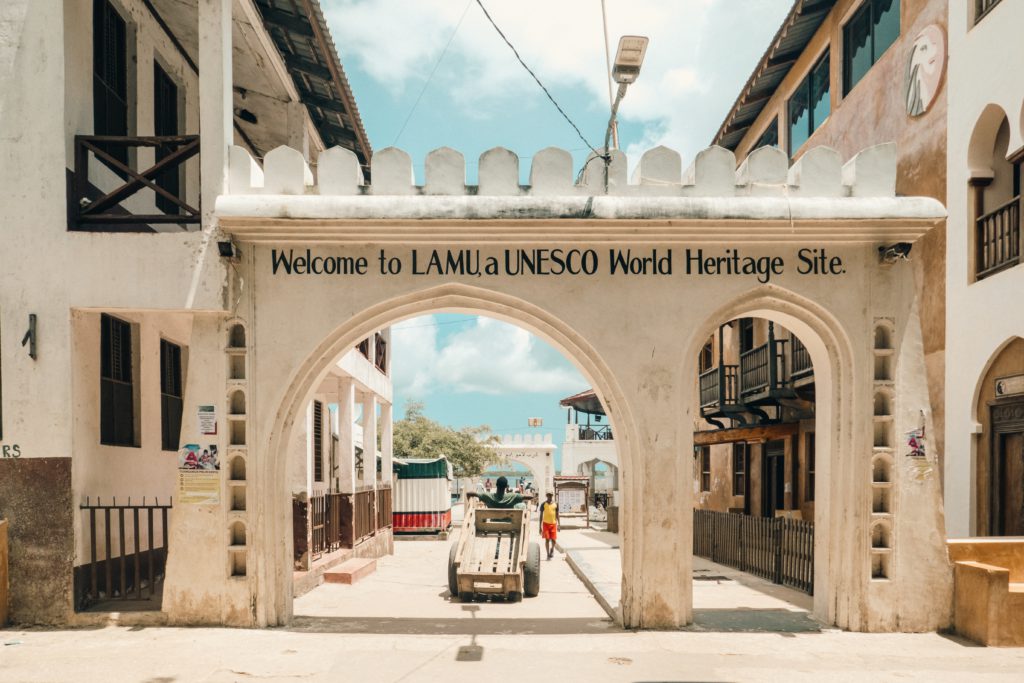
A Kenyan high court blocked the construction of a proposed $2 billion coal-power plant near the coastal town of Lamu, which is home to a UNESCO World Heritage site.
The developers of the 1,050-megawatt facility majority owned by Centum Investment Co. failed to carry out adequate public participation, Judge Francis Mwangi Njoroge said in a virtual ruling from Malindi, on Thursday.
“We agree with the tribunal on its observation that public participation was not conducted in accordance with amended provision of law,” Njoroge said. “We find there was a failure to have a proper analysis of the location and project alternatives.”
The ruling ends a six-year dispute over the proposed plant that began in 2019, when a Kenyan tribunal canceled an environmental license for what would be the country’s first grid-connected coal-fired power facility. Amu Power Co., a joint venture between Centum and Gulf Energy Ltd. and the developer of the project, went to court to overturn the order.
Centum chief executive officer James Mworia didn’t immediately respond to a text message seeking comment.
Community groups have opposed the plant on the grounds that it risks having a negative impact on human and marine life. Lamu Old Town contains the oldest and best-preserved Swahili settlement in East Africa and was designated a World Heritage Site in 2001.
Energy giant GE exited the Lamu coal project after it announced plans to cease support for new coal builds in 2020. “Consequently, we have not been involved in the Lamu Coal Power Project in any way,” a spokesperson at GE Vernova said via email.
The use of coal, the world’s dirtiest fossil fuel, has faced criticism by environmentalists for its global-warming emissions. Still, the fuel remains popular among developing economies struggling to provide energy to their growing populations.
Kenya plans to achieve universal electricity access by 2030 and transition its entire grid to renewable energy. It is Africa’s biggest geothermal power producer, which along with hydro, wind and solar sources accounts for almost 90% of power generation, according to official data.
Industrial powers including South Africa are shutting down coal-fired plants and replacing them with green-energy sources.
(By David Herbling)

{{ commodity.name }}
{{ post.title }}
{{ post.date }}



Comments