Korean proxy fight threatens to derail Trump’s big zinc bet
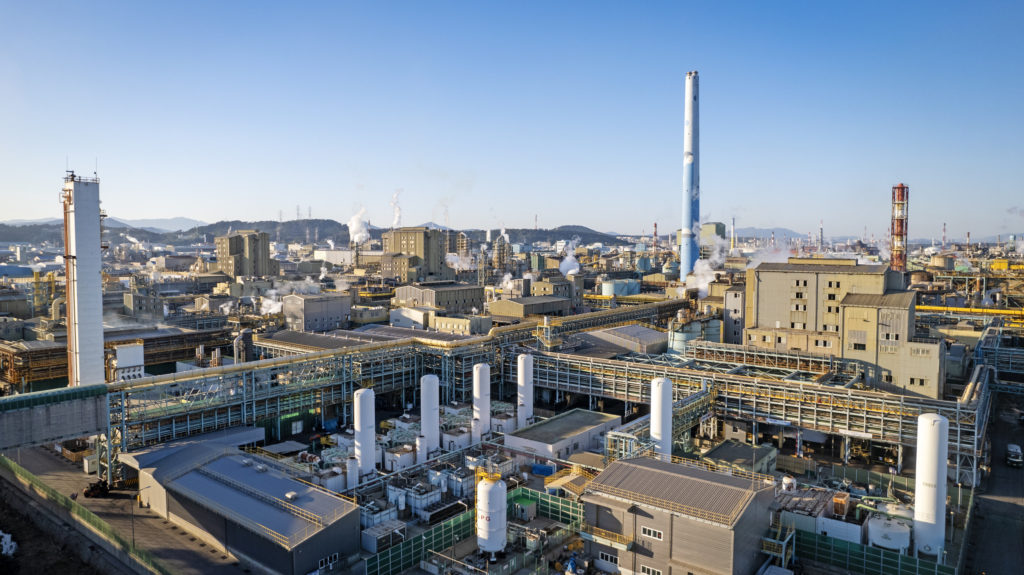

The Trump administration’s investment in a US zinc development has thrust it into the middle of a South Korean proxy fight, an example of how the government’s push for equity stakes in critical industries is facing free-market blowback.
The administration announced earlier this week it struck a joint venture with Korea Zinc to back construction of a $7.4 billion smelter project in Tennessee that would bolster US production of key critical minerals. But the reaction has been mixed, with shares fluctuating as Korea Zinc’s largest shareholders balk at the structure of the deal.
The activist investors — Young Poong Corp., and MBK Partners Ltd. — filed an injunction this week in a South Korean court to halt a share issuance to fund the new smelter, according to an emailed statement, arguing the move was aimed at evading the proxy battle.
The case has the potential to disrupt the administration’s effort to spur domestic production of critical minerals in order to wean the nation off Chinese supplies, a key goal of President Donald Trump’s economic agenda. It also threatens to complicate ties between Seoul and Washington, which were already roiled earlier this year by the president’s tariff push.
Critics say the administration’s methods, which include taking direct stakes in critical mineral producers and other firms in sensitive industries, put their goals at risk by inserting the government into business dealings outside of its control.
“This does seem to be the first of these deals where there’s a material risk the thing won’t close,” said Peter Harrell, a former Biden administration economic adviser now at the Carnegie Endowment for International Peace. “I do hope that they understood what they were getting into and didn’t just get blindsided by this.”
The White House, Commerce Department and Pentagon did not immediately respond to requests for comment.
US officials, speaking on condition of anonymity, expressed cautious optimism that the deal will ultimately proceed and said it would reinvigorate domestic production of key minerals used in defense, aerospace and other sectors.
American officials were pitched on the project earlier this year, according to a US official and another person familiar with the matter. The smelter will be built in Tennessee next to an existing facility, which will be used to train staff and be decommissioned when the new one is operational, US officials said.
The project would more than double the revenue of Korea Zinc, the officials said, which is one of the largest sources of a mineral that’s ubiquitous in consumer products. The US will get priority for a series of crucial metals, according to the officials.
Senator Bill Hagerty, a Tennessee Republican, said at an event in Washington this week that when he recently had a phone call with one of his Wall Street contacts, the person said they were at the Pentagon working with Deputy Defense Secretary Steve Feinberg on the deal structure.
“We went through a long discussion about that,” Hagerty said. “We’re bringing Wall Street talent to bear.”
The Commerce and Defense departments are involved, with the Pentagon providing debt financing and the government attracting equity investors from the US defense industrial base, the officials said. JPMorgan Chase & Co. is said to be among the investors. The US government is contributing a little over $2 billion, officials said.
MBK said in its statement that its legal action does not mean the activist investor alliance opposes the construction of the smelter altogether.
The Trump administration is aware of the proxy fight and potential lawsuits, but isn’t intending to get involved, the US officials said. One official downplayed the dispute as a potential routine corporate dispute. The US doesn’t presuppose the motives, another added.
Others raised questions about whether the US overlooked the investor fight in its efforts to move quickly.
“You win some, you lose some,” in dealmaking, Harrell said. “But that’s not how the US government usually works. It is very risk-averse and tries not to put itself into a messy situation.”
(By Joe Deaux and Josh Wingrove)
{{ commodity.name }}
{{ post.title }}
{{ post.date }}



Comments