LKAB plan for Swedish rare earths mine could breach Sami rights, report says
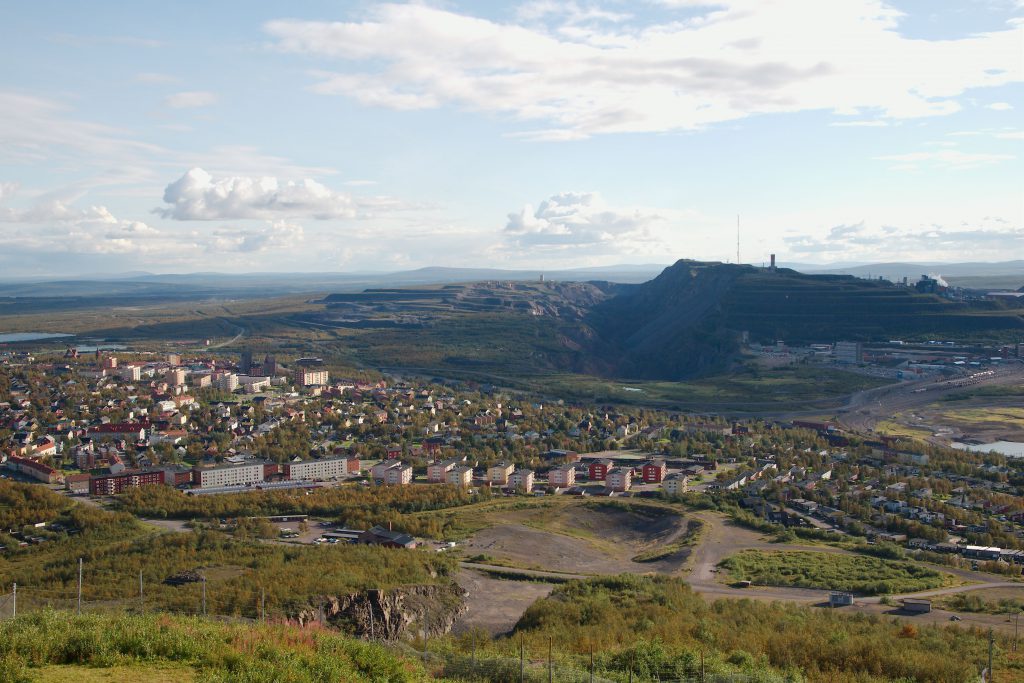
LKAB’s plans for an iron ore and rare earths project in Sweden’s far north could violate the rights of the indigenous Sami reindeer-herders if it is opened, a report by Stockholm Environment Institute (SEI) published on Wednesday said.
Per Geijer, located near LKAB’s existing Kiruna mine, is one of the European Union’s flagship projects in its strategy to reduce reliance on China for rare earths needed for the transition to clean energy, defence and electric vehicle production.
But Sami reindeer-herders say it would spell the end of their traditional way of life, and have vowed to fight the mine in the courts.
“LKAB’s project carries a significant risk of violating the indigenous rights of the Sami community members,” said Rasmus Klocker Larsen, senior research fellow at the non-profit SEI.
SEI said LKAB’s plans for Per Geijer would breach Sweden’s duties under the United Nations’ International Covenant on Civil and Political Rights and the UN’s Declaration on the Rights of Indigenous Peoples.
The mine would prevent herders from moving their reindeer from winter to summer pastures, among other things.
LKAB said it had not reviewed the report.
“We understand our plans for the new deposit would have an impact and we want to engage in dialogue with the Sami village to develop appropriate and far‑reaching measures for compensation and to identify various solutions going forward,” the company said.
The conflict highlights the tensions and competing legislation that exists between Europe’s economic security goals and commitments to human rights.
Per Geijer, with 1.2 billion tonnes of total mineral resources, of which 2.2 million tonnes are rare earth oxides, is one of Europe’s biggest rare earth finds.
It is designated a strategic project by the EU, which means permitting should be accelerated. Sweden’s government wants to lead a new “green” industrial age in Europe and is cutting red tape for new mines.
LKAB has said Per Geijer is crucial for the long-term viability of the Kiruna mine – the world’s biggest underground iron ore mine. It applied for a mining concession last year. If granted, it would still need an environmental permit to start operations. Both could be appealed.
The Sami say they are not against mines if they don’t threaten their culture.
“This could be the last nail in the coffin that means the end of the whole community,” said Lars-Marcus Kuhmunen, chairman of the Gabna Sami.
(By Simon Johnson; Editing by Paul Simao)

{{ commodity.name }}
{{ post.title }}
{{ post.date }}
Comments