LME acts to shield aluminum market from huge Mercuria bet
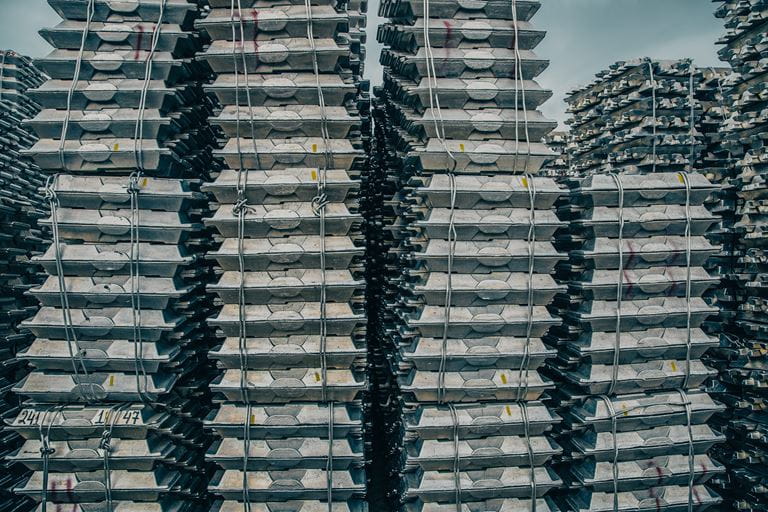
The London Metal Exchange has compelled Mercuria Energy Group Ltd. to lend out its huge position in aluminum to other traders to reduce risks to the market, according to people familiar with the matter.
The LME took action after Mercuria’s position in the June contract was consistently far bigger than the aluminum inventories in the exchange’s warehouse system — most of which are also already owned by Mercuria, the people said. That means that if Mercuria were to hold the position to expiry, those on the other side of the market might struggle to find sufficient aluminum to deliver against their short positions.
The move shows how the LME is taking a more muscular approach to policing the market as it responds to a series of aggressive bets by energy trading houses expanding into metals. Mercuria’s trade comes after rivals Vitol Group and Gunvor Group recently rocked the LME aluminum market with their own large positions.
The LME’s actions in its markets are often controversial — both when it intervenes and when it does not. In 2022, it allowed a surge in nickel prices to become a potentially destructive runaway short squeeze, eventually taking the unprecedented and controversial step of canceling billions of dollars of trades.
While the LME has long-established rules designed to prevent traders from cornering a market, those rules only cover dominant positions in inventory and in contracts expiring in the next few days, rather than the LME’s much larger monthly contracts that expire on the third Wednesday of each month.
Instead, the LME has used its broad powers to prevent “undesirable” market situations to compel Mercuria to lend its position in the June contract, the people said. The LME’s rulebook gives the exchange’s special committee the power to take whatever steps it deems necessary to address “the development or likely development of a corner or undesirable situation or undesirable or improper trading practice.”
Mercuria took the huge position as a bet that any easing of sanctions against Russia would boost the value of its position, Bloomberg reported last month. Since then, however, there has been little sign that Russia and Ukraine are moving closer to a peace deal
There’s no suggestion that Mercuria’s position is in breach of any rules. And it’s not the first time that the LME has intervened by compelling a trader to lend out a position in its monthly contracts, the people said.
Still, Mercuria’s position is unusually large. Exchange data show that until Monday, one trader’s long position was equivalent to more than 40% of the open interest in the June contract — or more than 862,000 tons of aluminum. By Tuesday, the position had reduced to 30%-39% of the open interest, equivalent to between 600,000 and 800,000 tons.
That compares to total on-warrant inventories of just over 320,000 tons. As of Tuesday, more than 90% of those inventories were held by one trader, according to the exchange. In both cases, the trader is Mercuria, the people said.
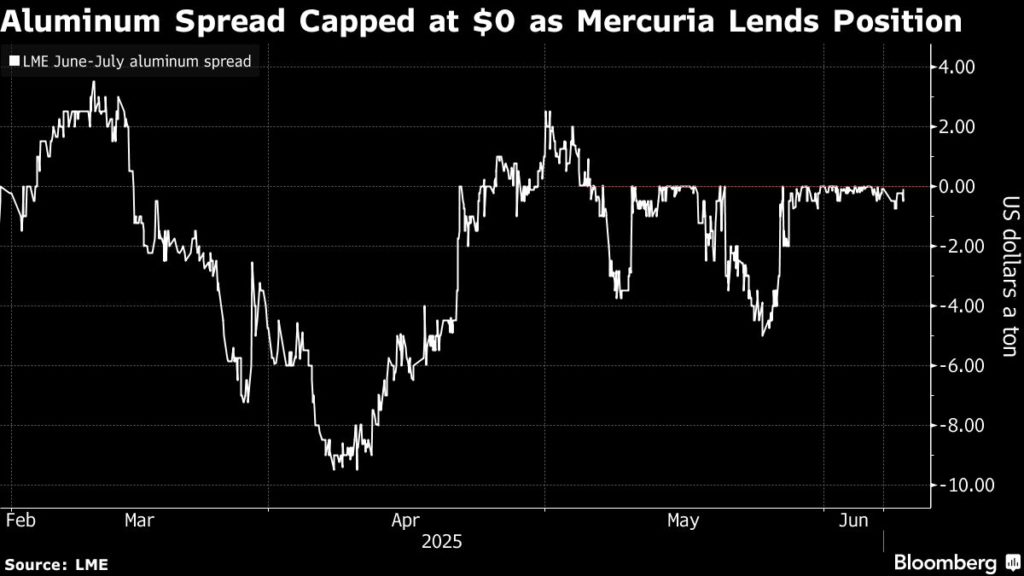
As a result of Mercuria’s lending, the market has been calm despite the huge position. The spread between the June contract and the July contract has remained in contango for the past month, with June trading either below July or “flat,” at the same price. That is the level at which the LME has required Mercuria to lend its June position, the people said.
The spread eased into a wider contango of as much as $6 a ton after Bloomberg reported on the LME’s intervention on Friday.
“The LME has a number of arrangements in place to guard against any undue influence of large or dominant positions, including lending rules, daily position reporting and accountability levels,” a spokesperson for the exchange said in response to questions. “The LME also routinely requests further position management information from market participants and has the power to require positions to be managed as appropriate.”
A spokesperson for Mercuria declined to comment.
Inventory battles
Traders taking large positions in the battle for ownership of inventory has long been a feature of the LME’s marketplace, but the rapid expansion of energy traders into metals in the past year has supercharged the dynamic.
The new entrants may be more likely to turn to the exchange to acquire metal to trade, because they don’t have the longstanding contracts with producers that more established metals traders have built up over the years. The burgeoning trade war is also creating flash trading opportunities in the physical metal markets, and fueling efforts to get hold of LME stock at short notice.
The large amounts of Russian metal in the LME’s stocks have also incentivized large positions: the Russian material is generally seen as the least valuable, so it is the first to be delivered against LME contracts. That means that if a trader wants to have a chance of picking up non-Russian metal, they need to take a large position.
Mercuria has argued publicly that an easing of Russian sanctions could increase the value of Russian metal on the exchange, driving up near-dated aluminum prices relative to later contracts.
It acquired its large position as a bet that that any easing of sanctions against Moscow would tighten the market, people familiar with the matter said last month.
Bloomberg also reported last month that the LME was discussing imposing position limits that would prevent traders from taking positions in the nearby month’s contracts larger than the total inventory. Responsibility for setting position limits on the LME is due to be transferred from the Financial Conduct Authority to the exchange from July 2026, but the intervention in aluminum shows that the LME is already effectively imposing limitations on positions in the nearby month.
(By Jack Farchy and Mark Burton)

{{ commodity.name }}
{{ post.title }}
{{ post.date }}



Comments