Mercuria’s new metals unit reaps $300 million so far this year
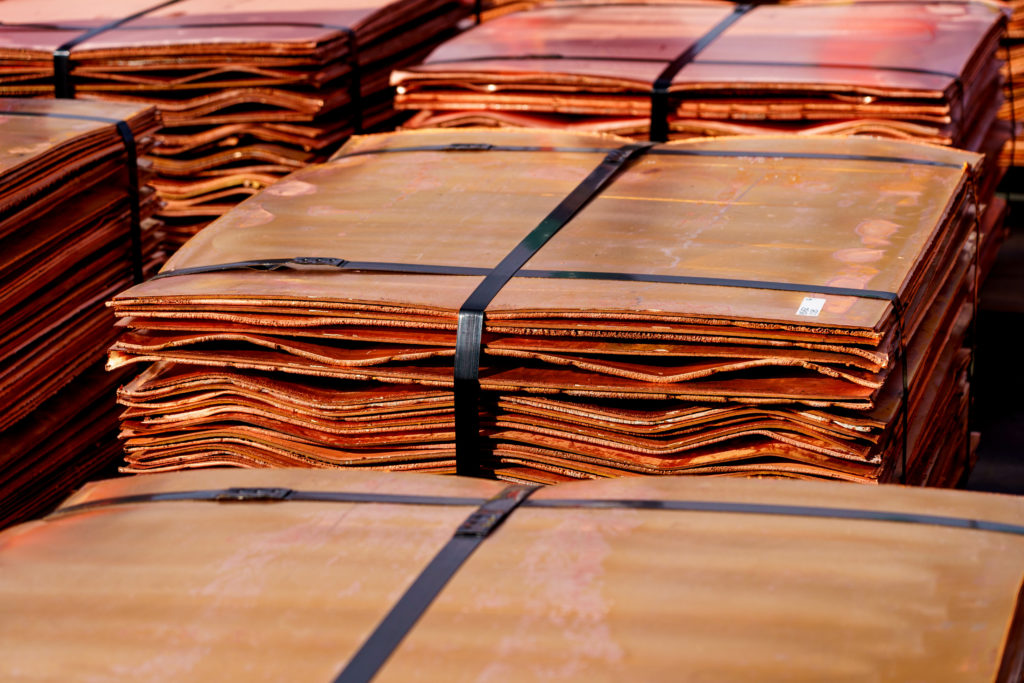
Mercuria Energy Group Ltd.’s new metals division is up by around $300 million in trading profits so far this year, as the firm accelerates its return to the sector after years focused on oil and gas.
The figures, detailed to Bloomberg by people familiar with the matter, mark the latest sign of a banner year for metals trading more broadly, in contrast to tougher conditions across other commodities. Mercuria’s numbers include profits already realized as well as marks against unsettled positions and contracts for the rest of the year, the people said, asking not to be identified because the information isn’t public.
Mercuria’s aggressive expansion into metals comes in a year that’s been marked by sharp volatility and dislocations that create profit opportunities for traders. The firm hired former Trafigura Group metals co-head Kostas Bintas to build out a metals division last summer, and the unit now has a team of about 150 traders and operations staff, according to people familiar with the matter.
Mercuria declined to comment.
The expansion has made a big splash in a market where trading margins are typically thinner than in fossil fuels and where Mercuria — which is mostly owned by its two co-founders, Marco Dunand and Daniel Jaeggi — has previously run into difficulties.
A fast ramp-up meant the firm was able to capitalize on a once-in-a-lifetime copper arbitrage this year. Mercuria became one of the largest importers of copper cathode into the US as traders rushed to draw down global inventories and redirect China-bound cargoes to ports such as New Orleans, Panama City and Los Angeles. Bintas said the arbitrage was the best trading opportunity he’s ever seen.
This series of events contributed in a significant way to Mercuria’s profits so far this year, the people said, along with a massive aluminum play that saw the trading house take a dominant position on the London Metal Exchange.
Mercuria has been faster and more aggressive in building a metals trading team and bidding for metals deals than its energy trader peers Vitol Group and Gunvor Group, which entered the sector at about the same time. Mercuria’s Asia head, Han Jin, who is known as the firm’s “third founder,” has opened doors to major companies inside China, for example, helping expand in the country and access suppliers in Africa connected to Chinese shareholdings, the people said.
Mercuria has tried to push deeper into metals trading before with limited success. In 2014, it was caught up in a fraud involving the multiple pledging of warehouse receipts at China’s Qingdao port. Later, the company sued a Turkish supplier for delivering painted rocks instead of $36 million worth of copper, and a bullish bet on zinc concentrates was undercut by a surge of material from new mines.
Mercuria isn’t alone in notching up strong numbers. Metals traders at Glencore Plc, which has a large mining portfolio, made a record $1.6 billion in the first half of the financial year. Trafigura Group, the world’s biggest copper trader, also posted higher first-half profits, helped in part by a robust metals performance.
(By Alfred Cang and Archie Hunter)
{{ commodity.name }}
{{ post.title }}
{{ post.date }}
Comments