Mine collapse weighs on Codelco debt even as output resumes
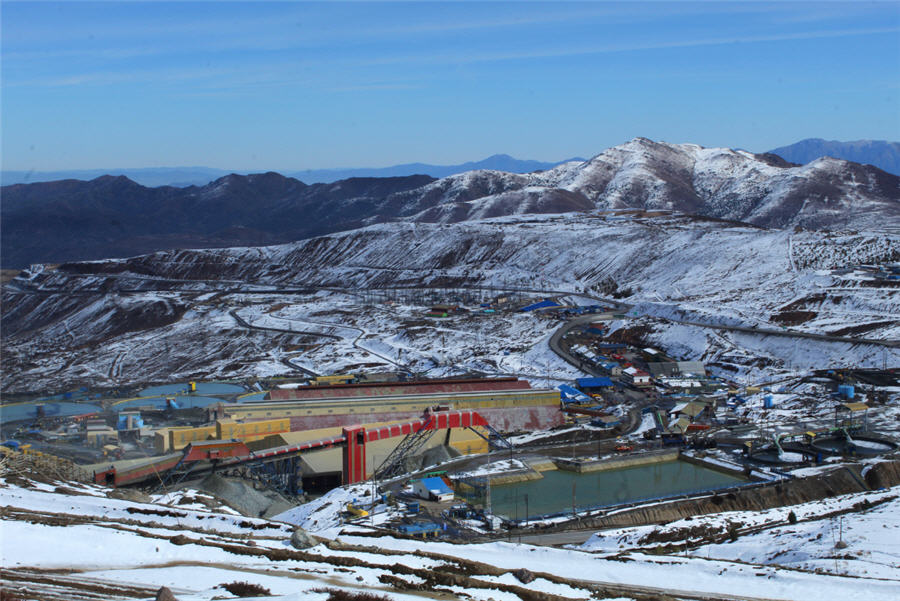
Codelco’s El Teniente copper mine partially resumed production over the weekend, but the fatal accident that closed it for a week is likely to weigh on the Chilean company’s bonds for far longer.
The July 31 tunnel collapse that killed six workers hit a new section of the mine, snarling plans to revive production at the 120-year-old operation. And while older parts of El Teniente are now operating again, the newer sections may be out of action for an extended period.
The reopening of the mine came sooner than many had expected, following a week that saw estimates of the damage caused by the landslide increase. The Public Prosecutor’s Office estimated on Thursday that 3.7 kilometers (2.3 miles) of tunnel was affected by the collapse, compared with an initial assessment of about 700 meters from the company. Investigators still need to use drones to reach the worst affected areas.
“There are many unknowns regarding the extent of the damage and the efforts that it could take not only to alleviate the safety issues, but also to make it fully operational again,” said William Snead, a strategist at Banco Bilbao Vizcaya Argentaria. “Maybe some of them are not being fully priced yet.”
Investors had initially seen the accident as a human tragedy, with limited impact on finances long term. As a result, the market reaction was muted.
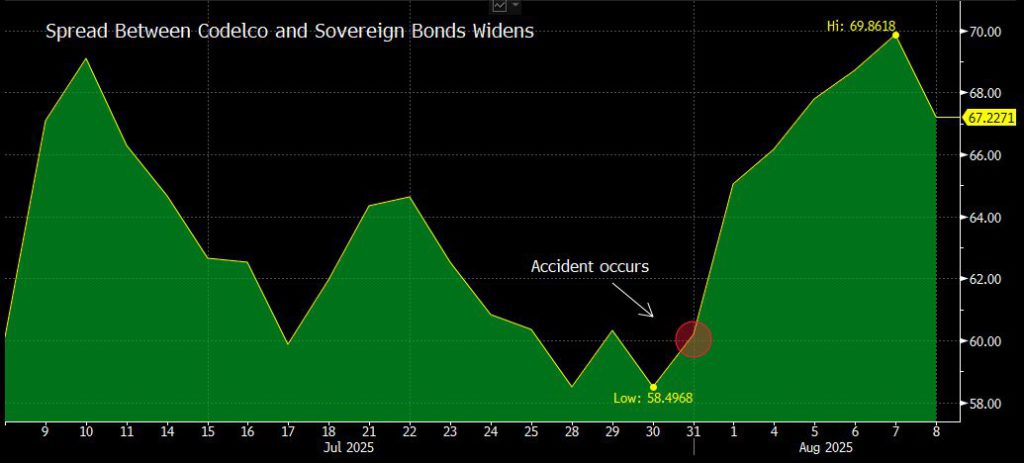
The extra yield investors demand to hold Codelco bonds over their Chilean sovereign counterparts widened about 10 basis points last week, but that only pushed it back to the levels seen a month earlier when President Donald Trump was threatening to put a tariff on raw copper imports. That threat was subsequently withdrawn.
Changing perceptions
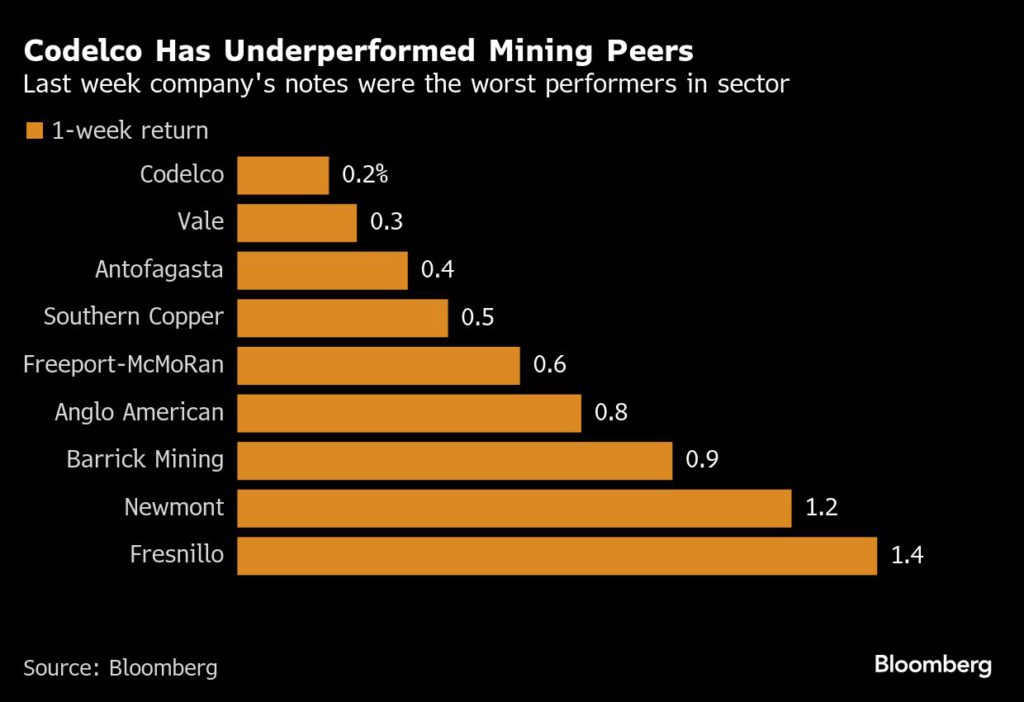
Market perceptions began to shift on Tuesday, when S&P Global Ratings warned that the accident could push up the company’s already heavy debt burden and crimp its access to new borrowing. The report stoked pressure on Codelco’s bonds, which — while they didn’t fall — were the worst performing among major mining peers last week.
Codelco had originally said the collapse damaged a new area of the mine called Andesita, which is 900 meters underground and had only just started operating, limiting its impact on production. The prosecutor now says there was also damage to another level — Recursos Norte — that had been operating for five years.
“The restart of operations at El Teniente doesn’t deal with the structural problems exposed by this tragic episode,” said Juan Ignacio Guzman, who heads GEM, a mineral consulting firm in Chile.
El Teniente accounts for a quarter of Codelco’s production and a sizable chunk of its profit.
Revival plans
The accident comes as Codelco tries to recover from a years-long output slump driven by deteriorating ore quality at its aging mines. The company’s four big expansion projects have been bedeviled by problems, with all coming in above budget and behind schedule.
“This disruption comes at a time when Codelco was aiming to recover production levels, and some of its targets are likely to be delayed or revised downward,” Snead said. “Given ongoing safety concerns, it is unlikely that the mine will return to full operations in the near term.”
Yet reviving output at El Teniente is crucial if Codelco is to get back to pre-pandemic production levels of about 1.7 million tons a year from a current rate of about 1.4 million.
Codelco delayed reporting its quarterly results, including annual production guidance, on Aug. 1 as it deals with the accident. It also opened an investigation, including convening an international panel of experts. Chairman Maximo Pacheco has vowed to take “maximum measures” if any responsibility lies with the company’s supervisors or executives.
‘New approach’
Early indications are that the seismic event that caused the collapse was probably due to mining activity rather than a naturally occurring earth tremor, according to a person with direct knowledge of the matter. That could bring mining methods at El Teniente into question.
“Mining these deeper sections will require a new approach that will delay plans even further,” Guzman said.
Codelco is already among the world’s most indebted major mining companies with debt of about six times earnings before interest, taxes, depreciation, and amortisation.
“If the impact is higher than originally perceived that could drive some negative sentiment towards the credit,” Snead said.
Still, with Codelco’s borrowing backed by the Chilean state — one of the least indebted in Latin America — the company would only pay a moderate premium if it had to go back to the market now, said Josefina Valdivia, fixed income manager at Credicorp Capital.
Yet, S&P noted the reputational damage this accident could cause. Apart from the cost associated with the collapse, the company has debt payments of about $553 million and $1 billion this year and next, respectively, according to data compiled by Bloomberg.
“It is important for management to provide updates, transparency is key,” Snead said.
(By Carolina Gonzalez and James Attwood)

{{ commodity.name }}
{{ post.title }}
{{ post.date }}
Comments