Mkango launches rare earth plant in Britain using recycled materials
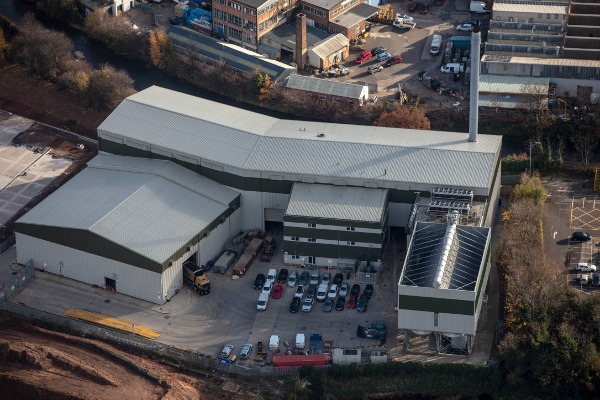
Canadian rare earths group Mkango Resources on Thursday opened Britain’s first commercial plant in 25 years to produce permanent magnets from recycled materials, as the West seeks to loosen China’s “stranglehold” over critical minerals.
Western countries have pledged to reduce reliance on China, which dominates mining and processing of rare earths, used in electric vehicle motors, wind turbines and consumer electronics. But new production outside China has been slow to scale up, leaving supply tight and making recycling one of the few options available to expand access to these materials in the short term.
The plant, in Birmingham in central England, is operated by Mkango’s subsidiary HyProMag. It uses a hydrogen-based process developed at the University of Birmingham to strip magnets from end-of-life products and turn them into new rare earth material with far lower emissions than conventional mining and refining.
Britain and its G7 partners aim to reduce China’s dominance through new domestic capacity, Industry Minister Chris McDonald told Reuters. China accounts for about 70% of rare earth mining and 90% of refining.
“Fundamentally, that’s the stranglehold on the supply chain that we’re aiming to break,” he said.
The new plant adds to Britain’s strategy to increase critical minerals supply, aiming to meet 10% of domestic demand from local mining and 20% from recycling by 2035, backed by up to 50 million pounds ($66.86 million) in funding.
Britain previously had magnet-making capacity but this ceased about 25 years ago as production moved overseas.
The plant has the capacity to produce 100-300 metric tons of magnets a year, depending on the number of work shifts, using the new technology that has a low-carbon footprint, the company said.
McDonald said that the facility was already drawing strong interest from automakers, and the technology was starting to be rolled out in the United States and Germany. HyProMag has previously said it was developing similar plants in these two countries.
($1 = 0.7478 pounds)
(By Sam Tabahriti and Eric Onstad; Editing by Jane Merriman)

{{ commodity.name }}
{{ post.title }}
{{ post.date }}

Comments