MP Materials swings to Q4 profit on US government price support
Rare earths company MP Materials (NYSE: MP) swung to a fourth-quarter profit, it said Thursday, exceeding analysts’ expectations, driven by its price support agreement with the U.S. government and sale of magnetic material.
Rare earths are a group of 17 metals used to make magnets that turn power into motion. That industry is dominated by China, and the U.S. deal with MP Materials in 2025 was designed to loosen that nation’s grip on the materials used to build weapons, electric vehicles and many electronics.
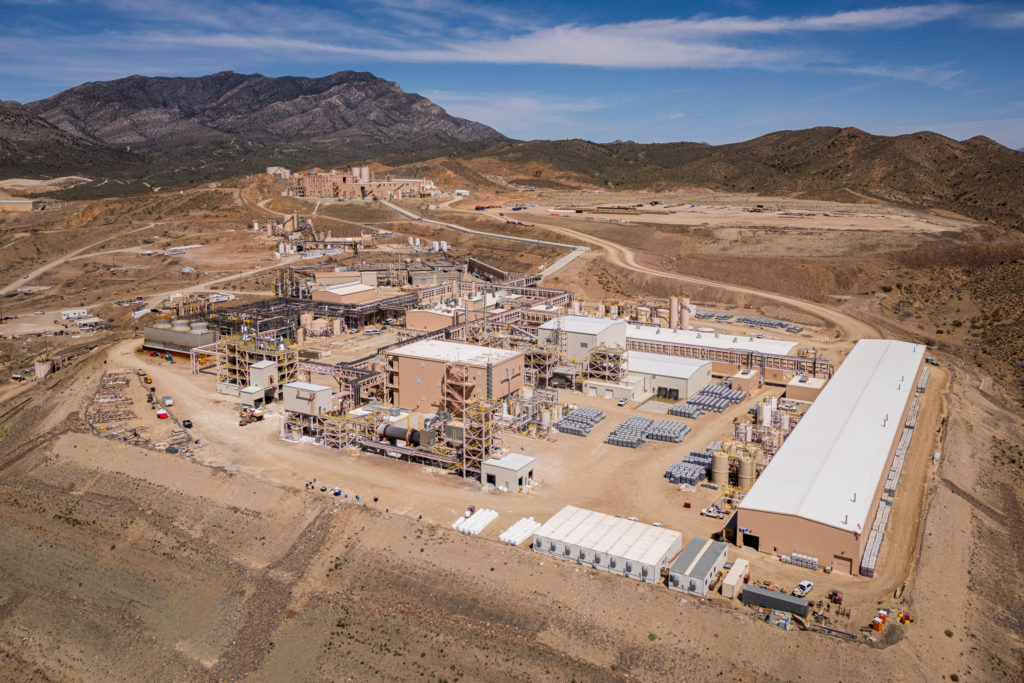
MP Materials controls the only rare earths mine in North America and processes those critical minerals in California. The company has also built a magnet facility in Texas.
For the quarter ended December 31, MP Materials posted net income of $9.4 million, or 5 cents per share, compared to a net loss of $22.3 million, or 14 cents per share, in the year-ago period.
Last year, the U.S. government guaranteed MP Materials a price floor of $110 per kilogram for its rare earths; those prices have roughly doubled over the past seven months, above that floor.
The company’s results were aided by $51 million in price protection agreement income from the U.S. government.
Excluding stock-based compensation expenses and one-time items, the company earned 9 cents per share. By that measure, analysts expected results to break even, according to IBES data from LSEG.
Shares fell 2.9% to $58.25 in after-hours trading.
MP stopped shipping rare earths to China for processing last year, halting a major source of revenue, and it has been boosting processing in California.
MP Materials has been bringing its Texas magnet facility online in the past year. During the quarter, the company posted $19.9 million in magnetics revenue and $8.4 million in adjusted magnetics profit.
The company also said on Thursday it would build a second magnet facility as part of its agreement with the U.S. Department of Defense to manufacture 10,000 metric tons of magnets annually.
(Reporting by Ernest Scheyder; editing by David Gaffen)
More News

{{ commodity.name }}
{{ post.title }}
{{ post.date }}



Comments