Philippine nickel sales to Indonesia to jump after Jakarta curbs
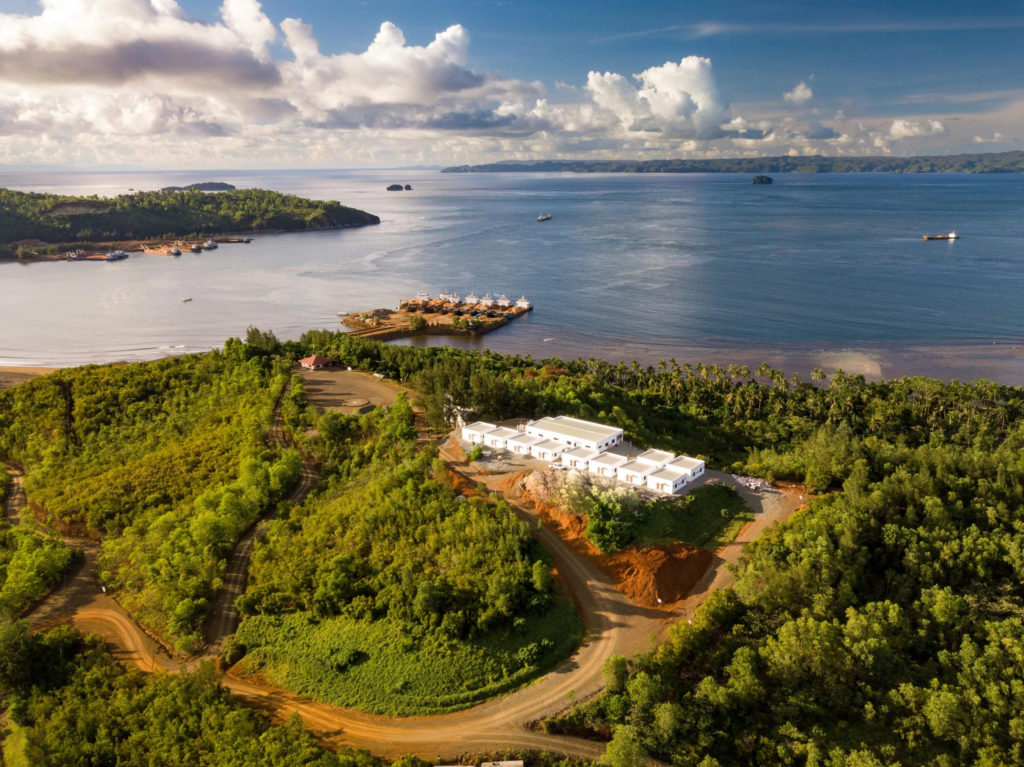
Shipments of nickel ore from the Philippines to Indonesia could as much as double to hit 30 million tons this year, a leading miner said, after Jakarta introduced drastic production curbs in an effort to revive the price of the metal.
“If they cut their domestic supply, they will have to get it from somewhere,” Dante Bravo, president of Global Ferronickel Holdings Inc., the Philippines’ second-largest nickel ore producer, said by telephone. “Their shortfall will come from other sources, so from the Philippines, from New Caledonia, from other parts of the world.”
Exports from the Philippines “might double this year,” he said, adding total shipments to Indonesia in 2025 stood at around 15 million tons.
The Southeast Asian country produces about 65 million tons of nickel ore annually, but the bulk of that production has long gone to China. However, sales to Indonesia have spiked since 2024, after Jakarta introduced production curbs that left refineries scrambling. Those cuts have continued, with authorities this week asking the world’s biggest nickel mine to cut back.
Output from the Philippines should benefit from less-heavy rains this year, but if production remains flat, shipments to China may drop slightly in favor of Indonesia, said Bravo, who also heads the Philippine Nickel Industry Association.
“I believe it will be a competition between the Indonesian and Chinese markets,” Tulsi Das Reyes, president of conglomerate DMCI Holdings Inc.’s mining unit, said in a text message. Reyes said a 20% increase in Philippine shipments to Indonesia this year was possible.
“A reduction in Indonesian output will create opportunities for Philippine ore producers, particularly if global demand remains strong,” Reyes said.
Nickel Asia Corp., the country’s top producer, can supply more ore from its Manicani mine in central Philippines for the upcoming mining season, according to deputy chief financial officer Andre Mikael Dy. “We are prepared to step up production as the situation demands,” he said in an emailed response to questions.
Still, Bravo said, Philippine production may not increase quickly, as more than half of the country’s 37 operating nickel mines are advanced in age and expansions have been slow to go through.
“If the government wishes to take this opportunity, the key is for them to expedite the approvals,” he added.
The rapid expansion of Indonesia’s nickel industry has propelled the country into a dominant position over recent years — but it has also battered prices and squeezed rival producers in Australia and New Caledonia.
The Philippines is the biggest nickel ore producer after Indonesia, but it has not succeeded in building a downstream industry on a par with Indonesia, despite an effort to ban raw material exports that was later dropped. The country largely ships raw nickel ore instead.
(By Manolo Serapio Jr. and Cliff Venzon)
{{ commodity.name }}
{{ post.title }}
{{ post.date }}



Comments
Bong Osorio
Philippines should start building refineries and export semi finished or finished nickel commodities to boost local economy.