Rare earths processor scales back output due to construction delays
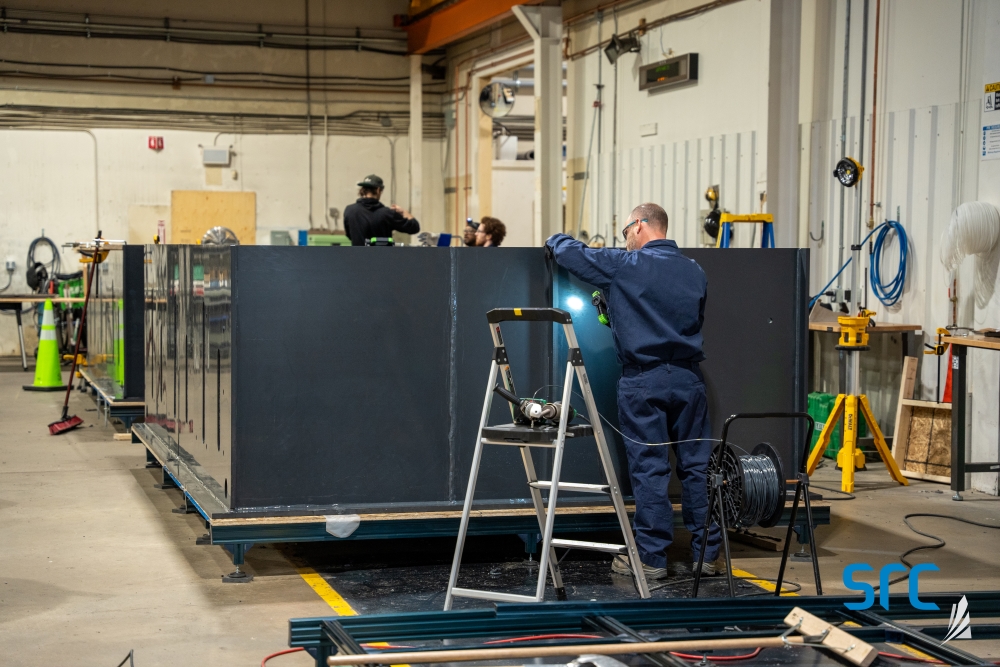
Construction delays have caused one of North America’s few rare earth processors to push back its production goal, just as Western nations struggle to counter China’s control over metals vital to industry.
A plant being built in Canada was supposed to process 400 metric tons of rare earth elements annually starting in 2025 — enough to power 500,000 electric vehicles. Instead, this year’s output is expected to be closer to 100 tons due to delays getting equipment needed to build the facility, according to the head of the entity that’s owned by the province of Saskatchewan.
“Like a lot of companies, we were hit by supply-chain issues post-Covid,” Saskatchewan Research Council chief executive officer Mike Crabtree said in an interview. “Equipment that would normally have been off the shelf or delivered within five to six weeks was taking nine to 12 months.”
The setback is an example of the difficulties the US and its allies face in trying to wrest away China’s control of rare earths, which are key ingredients in electronics, medical equipment and military gear. China accounts for nearly 70% of the world’s mine production of these metals and controls much of the processing and refining. The Asian nation’s moves to restrict exports have become a flash point for Western allies, prompting them to pursue alternative sources.
Crabtree expects the facility will be fully operating by the end of 2026, making the facility in Saskatoon, Saskatchewan “one of the first — if not the first — plant of this scale to come online,” he said. At that point, he said the plant will be producing more than 400 tons of neodymium-praseodymium metals — used in magnet motors — as well as about 30 tons of dysprosium and around 15 tons of terbium, two metals that China had imposed export controls on in April.
While a handful of North American firms are developing sites targeting such metals, Las Vegas-based MP Materials Corp. already has rare earth mining and processing operations of scale at its Mountain Pass site in California.
Saskatchewan’s provincial government announced plans to build a “minerals to metals” processing facility in August 2020, with a goal of being fully operational by late 2022. It initially began with a research-and-development smelter while a larger processing plant was being built. The smelter started producing neodymium-praseodymium at commercial scale about a year ago.
The operation, backed by more than C$100 million ($73 million) in provincial and federal government funding, will ultimately process all 17 rare earths. The research council has lined up buyers in anticipation of being fully operational, and in May reached a pact to supply magnet-maker REalloys Inc.
Crabtree said the raw materials for the plant are initially coming from mines in South America and Africa, and the facility will also be able to process recycled rare earth magnets coming from Europe and North America. The CEO said the plant operation is fully independent of Chinese involvement — an important factor in fighting China’s dominance over the metals.
China’s control of rare earths and its use of trade restrictions is “a wake-up call” for the industry, Crabtree said.
“If we don’t create a non-Chinese supply chain, then we are always at risk,” he said.
(By Chaimae Chouiekh)
{{ commodity.name }}
{{ post.title }}
{{ post.date }}
Comments