Ray Dalio suggests gold as shield for US markets at risk of heart attack
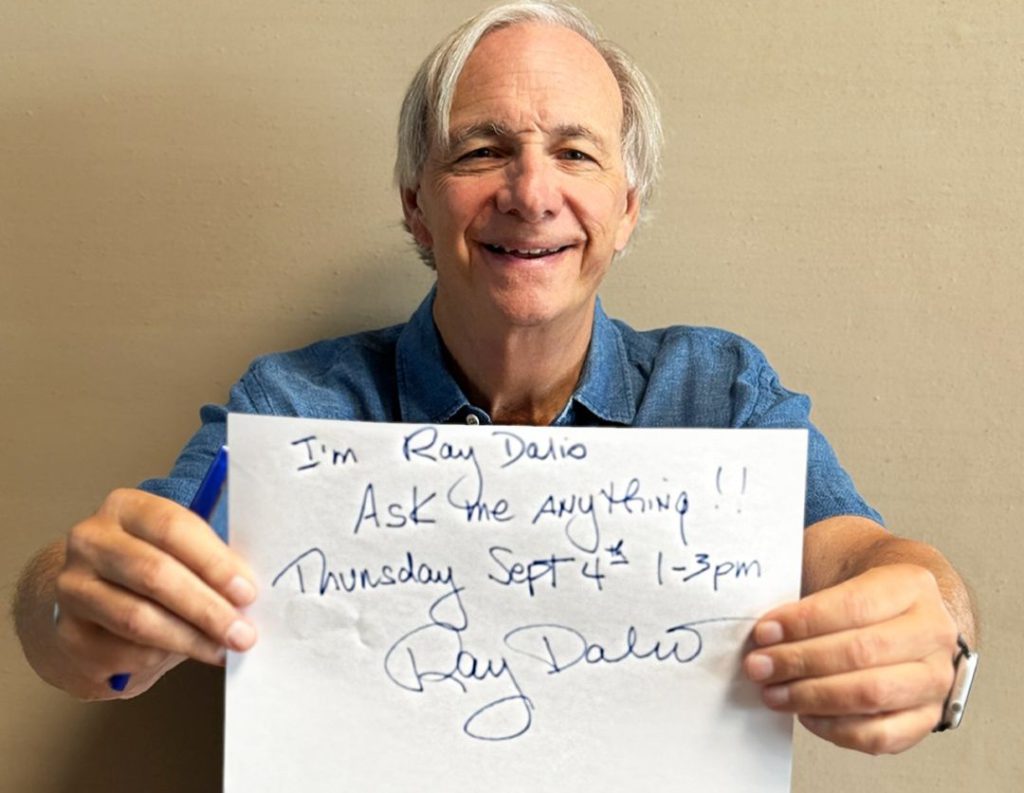
Bridgewater founder and the firm’s former CEO Ray Dalio says gold might be a way to shield investors from unhealthy markets, overburdened with debt.
Dalio warned that as the US spends more to service its debts, this “squeezes out other spending” and builds up as plaque would in a clogged human circulatory system.
“A doctor would warn of a heart attack,” he said.
“A well-diversified portfolio would have somewhere between 10% and 15% in the portfolio of gold,” said Dalio, who sold his remaining stake in Bridgewater Associates in July and stepped away from the hedge fund he founded.
Gold was uncorrelated with other assets, its value tending to rise during a crisis when other assets fall, Dalio told attendees at a launch event for Abu Dhabi Finance Week, scheduled for December.
With the world “abundant in debt” and with geopolitical tensions rising, investors should question “whose money do you own?” when thinking about how to build a neutral portfolio, said Dalio.
Standard Chartered CEO Bill Winters, who sat on the panel alongside Dalio, said that though market valuations in Europe were not as high as in the United States, the conditions were similar.
“The UK and France are in similar situations but markets have been providing more severe constraints than the US,” said Winters.
The S&P 500 and Nasdaq, which are up over 11% and 13%, respectively, so far this year, closed at record highs on Wednesday, as cooler-than-expected inflation data supported expectations the US Federal Reserve will cut interest rates next week.
The pan European stock index was last up just over 8% so far in 2025.
(By Rachna Uppal and Nell Mackenzie; Editing by Tomasz Janowski)

{{ commodity.name }}
{{ post.title }}
{{ post.date }}
Comments