Sweden to scrap uranium mining ban with nuclear buildout looming
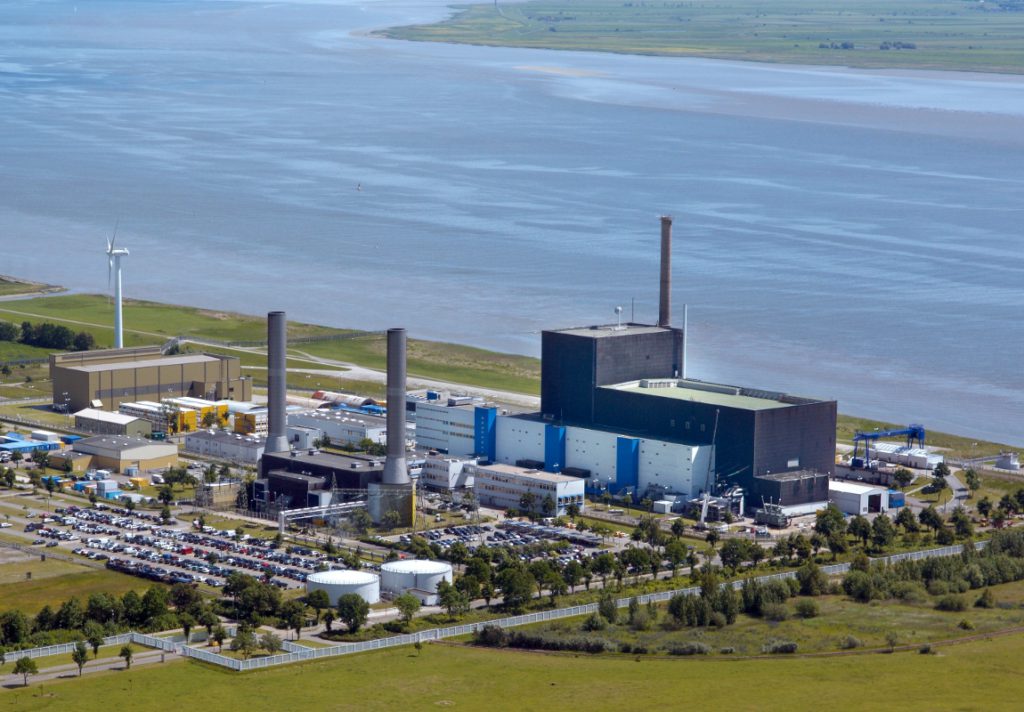
The Swedish government proposed to remove a ban on uranium mining to reduce the need for imports as the country eyes a renaissance in nuclear power.
The change is due to take place from Jan. 1 next year and means that the ban in the nation’s environmental law will be removed, according to a statement on Thursday.
Sweden generates about a third of its electricity from nuclear but relies completely on imported uranium, the fuel used in reactors, from nations including Canada, Australia and Kazakhstan. State-owned utility Vattenfall AB has also purchased Russian fuel in the past, but those deliveries stopped in 2022 after the invasion of Ukraine.
“I want to reduce this vulnerability in our energy supply and start to extract the uranium we have here in Sweden,” Climate and Environment Minister Romina Pourmokhtari said Wednesday at a press conference ahead of the publication of the proposal.
Sweden currently has six reactors in operation and Vattenfall plans to build several new units over the next decade to meet the growth in power demand. Finland’s Fortum Oyj is also studying whether to invest in new plants.
Local municipalities in Sweden can currently veto applications for uranium mines and a separate process is also underway to decide whether this veto right should also be scrapped. Most of the known uranium deposits are in the north of the country.
There continues to be commercial interest in developing mines in the Nordic nation, for example a collaboration between Australia’s Aura Energy Ltd. and Neu Horizon Uranium Ltd. Aura’s Haggan deposit in central Sweden is the fourth largest in the world, the firm said in June.
The ban on mining was introduced in 2018 by the previous Swedish government led by the Social Democrats, which argued it would risk contaminating water and agricultural resources.
(By Lars Paulsson and Charlie Duxbury)
{{ commodity.name }}
{{ post.title }}
{{ post.date }}
Comments