Trump eases mercury rules for power plants in bid to boost coal
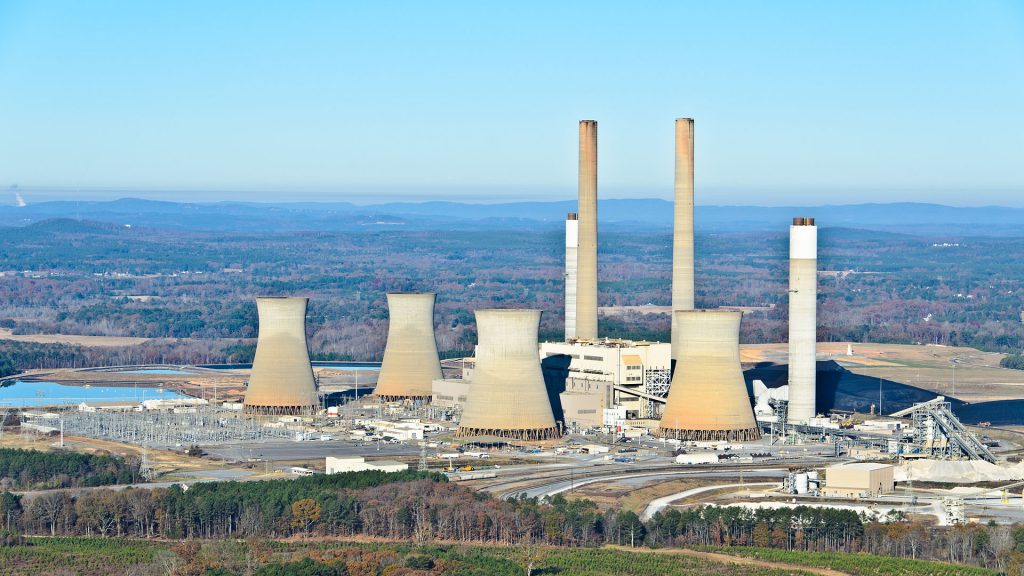
The Environmental Protection Agency on Friday rolled back regulations limiting mercury and other toxic air pollution from power plants, the latest in a series of moves by President Donald Trump’s administration designed to boost the nation’s shrinking coal sector.
The 2012 Mercury and Air Toxics Standards for power plants rule — called MATS for short — requires the facilities to reduce emissions of mercury and other metal air pollutants, such as arsenic and lead, which have been linked to heart attacks, cancer and developmental delays in children.
President Joe Biden’s administration strengthened the rule in 2024. Now Trump’s EPA is undoing those changes, claiming that they put an undue burden on coal plants in particular.
“The Biden-Harris administration’s anti-coal regulations sought to regulate out of existence this vital sector of our energy economy,” said EPA Administrator Lee Zeldin. “The Trump EPA knows that we can grow the economy, enhance baseload power, and protect human health and the environment all at the same time.”
Coal- and oil-fired power plants will no longer have to comply with a 2027 deadline set under Biden to install technology on smoke stacks for continuous monitoring of soot, or what’s called filterable particulate matter. A stricter mercury emissions standard for certain coal plants, finalized in 2024, is also being replaced with the original 2012 standard.
Former EPA officials and environmental advocates criticized the rulemaking, saying it gives power plants a pass to pollute more. Ending the requirement for monitoring “means Americans will not be able to see when power plants are violating pollution limits and emitting excessive amounts of cancer-causing pollution,” said John Walke, a senior attorney at the Natural Resources Defense Council who used to work at the EPA.
The Edison Electric Institute, which represents investor-owned US power companies, provided a muted response. “While we are reviewing the final details of this action, we appreciate Administrator Zeldin and his team’s focus on advancing consistent regulatory policies that account for impacts to reliability and customer bills,” said Brian Reil, an EEI spokesperson.
Months before the Trump administration announced its intention to unwind MATS, the EPA encouraged power plant companies to apply for two-year waivers to the Biden-era rules, authorized by Trump. Roughly 70 power plants ultimately received the presidential exemptions.
Since then, the administration has taken many steps to boost the nation’s coal sector, including earmarking more than half a billion dollars to help upgrade existing plants, using emergency powers to keep older facilities from retiring and allowing coal plants to access the Energy Department’s loan program, which has hundreds of billions of dollars in financing authority.
Even so, it’s unclear whether the president’s initiatives will be enough to dramatically shift the domestic landscape for coal, which has declined for years in the face of competition from lower-cost natural gas and renewable power, as well as growing environmental regulations and climate change concerns.
The EPA says the new MATS rule could save $670 million starting in 2028 through 2037. In the final rule, the agency acknowledged that it did not quantify the human health effects resulting from changes in emissions of small particulate matter called PM2.5, nitrogen oxides, or NOx, and volatile organic compounds, or VOCs. The Biden EPA had estimated its strengthened rules would yield $300 million in health benefits and an additional $130 million in climate benefits.
The policy change comes days after the agency scrapped a scientific determination that climate change poses a threat to human health, and with it, greenhouse-gas standards for vehicles.
Since the MATS rule first took effect under President Barack Obama, every subsequent administration has attempted to change it. The EPA during Trump’s first term tried watering it down, and then the Biden administration undid those changes and further strengthened the rule.
Biden EPA officials found that the vast majority of coal plants were not just meeting but exceeding federal standards for toxic soot, said Walke. Because most plants were well below the threshold, the agency decided to lower it, a push that would force a small number of facilities to make new pollution control upgrades to meet the standards, he said.
Similarly, the EPA found power plants that had already adopted continuous monitoring for soot had lower pollution, and required it for all plants going forward.
“If there’s technology that people can use to achieve a certain level of reductions, then that’s what we should expect from everybody, and that’s what people who live all around the country should expect,” said Janet McCabe, who served as EPA deputy administrator under Biden.
With the stricter MATS rules rolled back, she said, a person may be exposed to more pollution than they otherwise would have “because the company they live next to has chosen not to install available cost-effective technology.”
(By Zahra Hirji)
More News

US shale drillers seen lifting crude output on Hormuz-driven price rally
April 06, 2026 | 01:21 pm
Miners escape from attacked coal mine in Russian-controlled Ukraine, official says
April 06, 2026 | 12:31 pm

{{ commodity.name }}
{{ post.title }}
{{ post.date }}
Comments