Trump restructures broad metals tariffs but keeps 50% rate
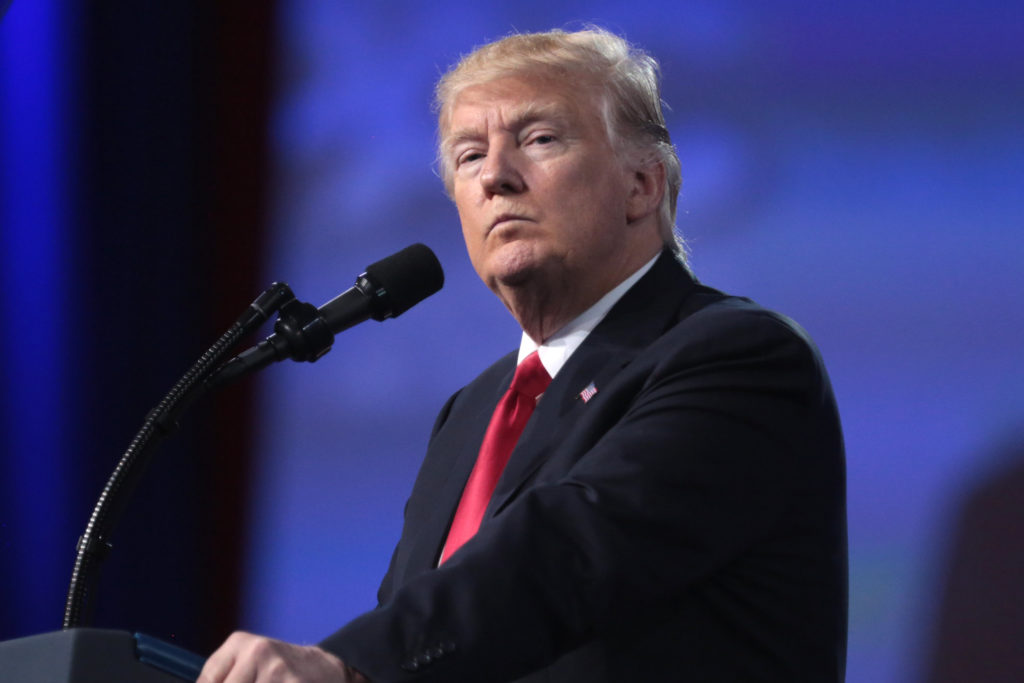
The Trump administration said it will maintain 50% tariffs on many imported steel, aluminum and copper products, even as it moves to simplify duties for goods made with negligible amounts of the metals.
A senior administration official cast the changes as necessary to simplify a complicated policy and provide more fairness to businesses grappling with President Donald Trump’s tariff regime. The official spoke on condition of anonymity to provide details before the president formally announced them.
Under the new structure, goods with total steel, aluminum or copper content below 15% will be effectively exempted from the metals tariffs, a White House statement said. Some other derivative goods will be subject to a lower 25% rate if they are deemed to be “substantially made” of one of the metals, according to the statement.
Products made abroad but entirely with American metals will face a lower 10% tariff rate, the White House said. Some “metal-intensive industrial equipment and electrical grid equipment” will be taxed at 15% through 2027, a move intended to bolster the US industrial base.
Despite the changes, 50% tariffs will be maintained on a large number of derivative products — including, for example, imported steel pipe. And the levy will be assessed against the full value of the product, not merely its metal content, according to the official.
Comex copper rose as much as 1.4% right after the announcement before giving back the gain to trade 0.5% lower late afternoon Thursday in the US.
The shift follows months of lobbying by companies that said they were unfairly hit by previous duties targeting metals imports. Though the administration argues the levies are designed to encourage domestic manufacturing, an extension of the tariffs to so-called derivative products meant they were applied even to items containing small metal elements, just a fraction of the overall product’s weight and value.
The revised metal tariffs, which were established under Section 232 of the Trade Expansion Act of 1962, come one year after Trump launched the core of his second-term trade agenda, which imposed sweeping levies on goods from dozens of other countries in a bid to foster more US manufacturing, expand American access to other markets and rebalance global trade flows.
While the US Supreme Court earlier this year struck down Trump’s country-by-country levies because they were imposed using an emergency law, the president has been moving to rebuild that tariff wall using other authorities. The administration on Thursday is also unveiling tariffs on imported drugs, with higher levies for products made by companies that are not manufacturing products in the US or who have not struck deals with the White House to lower costs for American consumers.
Officials on Thursday cited consumer products such as dental floss, which has a small metal piece to cut the floss but otherwise lacks significant steel or aluminum content, as an example of products that would be see relief from the metal tariff changes. Washing machines are also expected to benefit.
The structure could result in higher duties for some imported steel and aluminum goods — with the promise of easier compliance to soften the blow. Previously, the steel and aluminum tariffs were applied to derivatives based on the amount of those metals they contain, making it difficult to quickly calculate the appropriate charges.
Supporters of the revised approach on metals said it would buttress the administration’s efforts to reshore domestic manufacturing.
“This action will help ensure these tariffs function as intended to support domestic production and American workers,” said Jon Toomey, president of the Coalition for a Prosperous America, a group representing US manufacturers.
November midterm elections to determine control of Congress are likely to hinge on voters’ feelings about the state of the US economy. Tariffs and the war in Iran have contributed to rising costs for Americans, posing a risk to Trump’s Republicans.
The senior administration official downplayed the revised tariff scheme’s impact on consumer prices.
Trump last year imposed a 50% levy on foreign steel and aluminum in a measure aimed at Chinese overcapacity. The decision wound up hitting other major trading partners hard, including Canada, the European Union, Mexico and South Korea. Later the administration expanded covered products to include the so-called derivative products that contained the metals.
(By Jennifer A. Dlouhy, Joe Deaux and Catherine Lucey)
{{ commodity.name }}
{{ post.title }}
{{ post.date }}
Comments