Trump trade team working to narrow scope of metals tariffs
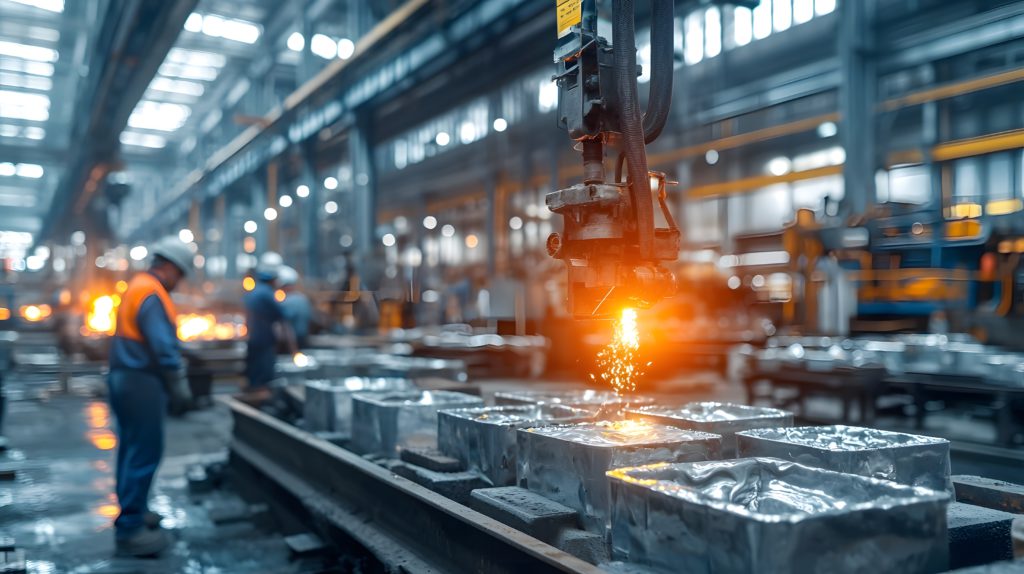
The Trump administration is working to narrow its broad tariffs on steel and aluminum products that companies find difficult to calculate and the European Union wants reined in as part of its pending trade deal with the US, a person familiar with the matter said.
The Office of the US Trade Representative is scrambling to resolve complications spawned last year by the Commerce Department’s efforts to rush out President Donald Trump’s tariff agenda, the person said.
The White House has communicated to companies that adjustments are in the works, but details and timing remain unclear, the person said.
The rollback plans were reported earlier by the Financial Times. Aluminum and other metals fell following the report, while shares of US steelmakers and aluminum producers sank.
A White House official, speaking on condition of anonymity, said any reporting about changes to the current US tariff regime is baseless speculation unless announced by the administration. Trump will never compromise on reinvigorating domestic manufacturing of steel, aluminum and other key products, the official said.
The effort comes as Trump is grappling with low approval ratings on the economy from Americans who are anxious about the cost of living, a dynamic that poses a major political risk for his fellow Republicans in November’s midterm elections.
50% levies
Trump last year imposed a 50% levy on foreign steel and aluminum in a measure aimed at Chinese overcapacity. The step wound up hitting other major trading partners hard, including Canada, the EU, Mexico and South Korea.
Later added to the list were so-called derivative products that contained the metals, creating an arduous task for companies to identify the percentage of the materials in goods they sourced from overseas.
US Trade Representative Jamieson Greer acknowledged two months ago that “there’s some complexity” with the derivatives tariffs and that he’s heard from “a lot of folks.”
He said he discussed the difficulties with Customs and Border Protection and that he was “very open” to feedback.
Customs ‘challenges’
“We’re committed to making it as smooth as possible,” Greer said during an Atlantic Council forum on Dec. 10. “Naturally, when you are moving trade policy that’s been more or less the same for 70 years to a new outcome, and you’re changing the tariff regimes, there’s going to be challenges in making it operational.”
Trump’s taxes on US imports have also come under increased scrutiny this week in Congress, where the House voted to roll back his duties on Canadian products. Separate reports by the Congressional Budget Office and the Federal Reserve Bank of New York said American consumers and businesses are shouldering most of the costs of his tariffs. That runs counter to the president’s repeated assertions that they’re paid by foreign exporters.
The US Supreme Court is also expected to rule on the legality of Trump’s global tariffs as soon as next week.
Ending or curtailing the derivative tariffs would be a positive step for the US-EU trade accord. A framework for the deal was negotiated last year but remains not fully implemented.
The EU still faces a 50% US duty on steel and aluminum exports as well as on many other derivative products. Washington revises the list of derivative products that are subject to the higher tariff rate several times a year.
The EU is particularly concerned that the breadth of goods hit by the 50% metals rate — covering hundreds of items — as well as potential new, higher levies on different industries will dilute the EU-US trade deal and the agreed 15% tariff ceiling, Bloomberg has previously reported.
(By Jenny Leonard)
{{ commodity.name }}
{{ post.title }}
{{ post.date }}



Comments