Tungsten price rises to record highs as export curbs turn up supply heat
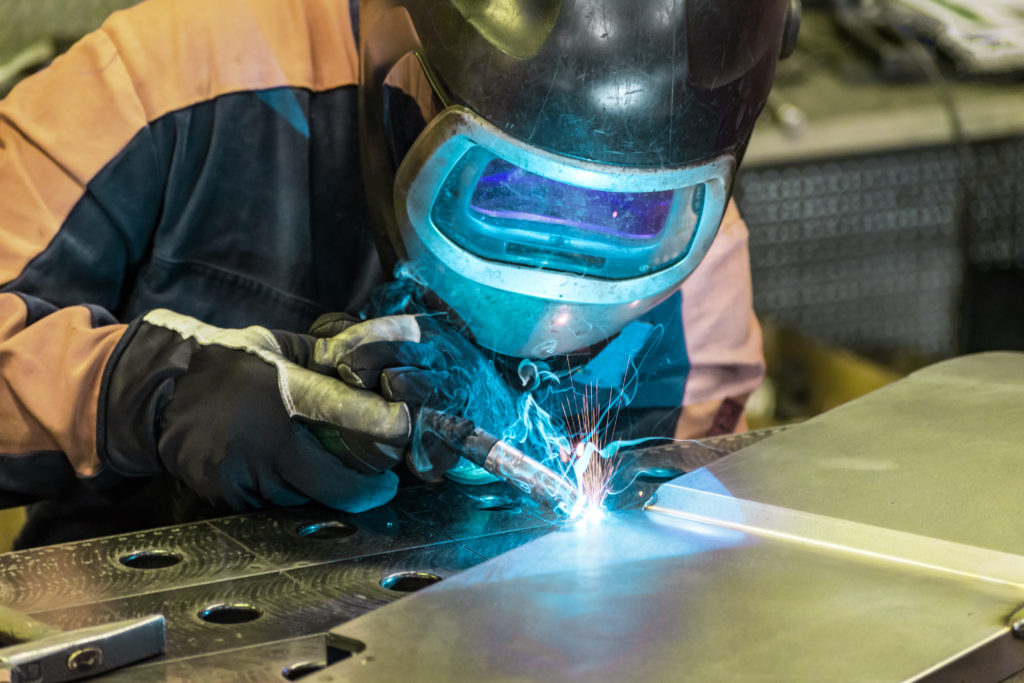
Tungsten prices have rocketed to record highs in January, fuelled by tightening inventory, Chinese export controls and industrial demand, leaving consumers scrambling for supplies in an already constricted market.
Prices of ammonium paratungstate, used to make tungsten metal, were trading at $1,125 to $1,150 per metric ton unit (mtu) in China, a record high, according to traders. Prices in Rotterdam hit an all-time high of around $1,100. Prices are widely expected to climb further in the coming weeks.
Tungsten is a critical industrial metal, prized for its hardness with the highest melting point of any metal. It is used mainly as tungsten carbide in cutting tools and wear parts in machinery for manufacturing, mining and construction, as well as in aerospace and defence components, industrial gas turbines and electronics.
Price spikes can ripple through factory output and costs, making tungsten a bellwether for advanced manufacturing.
“There are a lot of reasons for Tungsten to go up – market is tight, there is a lot of demand from defence, aerospace, IGT, and all other sectors, there are problems with supply (lower ore grades and other issues) and on top of that, there are issues with exports from China,” a London-based trader said in an email to Reuters.
China, which dominates global tungsten mining and processing, unveiled export controls in February 2025, requiring exporters to get government permits before shipping their materials.
Last month, Beijing named 15 companies that will be able to export tungsten, a move that could centralize control and limit the volume of material available to overseas buyers.
“(China’s) export volume has declined by close to 40% year-on-year since the controls were implemented,” said William Parry-Jones, founder of Wolfram Advisory and a specialist in tungsten market analysis and critical materials supply chain strategy. “There are insufficient volumes of raw materials available ex-China to replace this export volume.”
According to 2024 data from the US Geological Survey, tungsten mine production outside China is fragmented, led by Vietnam, Russia and modest production from Rwanda, Bolivia, Austria, and Spain, collectively accounting for only a few thousand tons a year, compared with China’s 67,000 tons.
Market participants attributed the higher China prices to the country’s restricted mining quota, which was cut 6.5% from a year earlier in 2025, and a higher rate of manufacturing, leading to more domestic consumption.
“China has been proactively building its manufacturing capacities – it is now seen as the factory of the world … if as an end-use customer you can’t physically buy your widget from your preferred supplier, then you may have no choice but to buy the widget from China, this plays perfectly into the Chinese plan,” Parry-Jones said.
Global tightness intensified more after new Chinese controls on dual-use materials to Japan came into force this month. Japan is one of the largest importers of Chinese tungsten.
(By Anjana Anil; Editing by Thomas Derpinghaus)
{{ commodity.name }}
{{ post.title }}
{{ post.date }}
Comments