US, Congo eye minerals pact amid peace deal with Rwanda
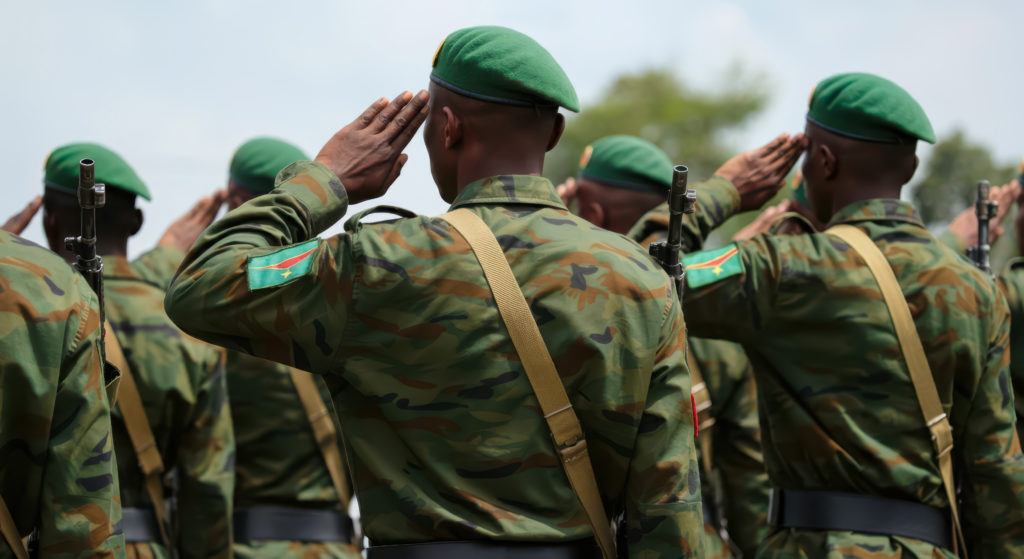
The Democratic Republic of Congo aims to sign a minerals and infrastructure partnership with the Trump administration on Thursday as part of a series of deals targeted at ending a long-running conflict in the eastern part of the resource-rich African nation.
President Donald Trump is scheduled to meet with the presidents of Congo and Rwanda in Washington on Thursday to oversee the signature of a peace accord between the two countries.
The three-decade-long conflict is one of several that Trump has claimed to end as part of his global dealmaking, despite ongoing fighting between the Congolese army and Rwanda-backed fighters.
The central African nations will also sign an economic agreement, while the US and the Congo are expected to ink their own partnership.
Through the deal with the US, “the DRC will become a continental energy hub, a kind of logistical, strategic hub, but also an indispensable player in the critical mineral supply chains,” Tina Salama, a spokesperson for Congolese President Felix Tshisekedi, told reporters in Washington on Wednesday.
The US has been targeting Congo’s minerals to secure key inputs for technology, energy and defense and as a way of diminishing China’s dominance over the trade.
Congo is the biggest nation by landmass in sub-Saharan Africa and rich in strategic metals including cobalt, copper, tantalum, lithium and gold.
The deal with the US will support local mineral production and job creation, and offer US companies the chance to invest in resource, energy and infrastructure projects, Salama said.
This will include the development of a $1.8 billion connection to Angola’s Lobito railway corridor to the Atlantic Ocean and the Grand Inga dam, which would be the biggest hydropower plant in the world, she said.
But the investments will only move forward if Rwanda stops supporting rebel groups in Congo’s east, Salama said.
Rwanda-backed M23 rebels have occupied the region’s two biggest cities since early this year. In recent days, M23 has clashed with the Congolese army in South Kivu province.
“It’s a proof that Rwanda doesn’t want peace,” Congolese government spokesman Patrick Muyaya said alongside Salama in Washington. “Peace for us means withdrawal of Rwandan troops.”
Rwanda denies supporting the M23 and says its troops have only been taking “defensive measures” to secure its borders, in particular against a rebel group with ties to the perpetrators of the 1994 Rwandan genocide against Tutsis.
Congo has agreed to “neutralize” the group, known as the FDLR, as part of the US-backed peace agreement.
“It’s up to the DRC to show how much and how quickly they want peace,” Rwandan government spokesperson Yolande Makolo told Bloomberg Wednesday.
“Achieving peace is tied to the DRC ending all state support to the FDLR as well as other forces hostile to Rwanda, which will allow us to relax our defensive measures, but this hasn’t happened yet,” she said.
(By Michael J. Kavanagh)
{{ commodity.name }}
{{ post.title }}
{{ post.date }}

Comments