US House Democrat blasts Commerce’s ‘highly concerning’ $1.6B USA Rare Earth deal
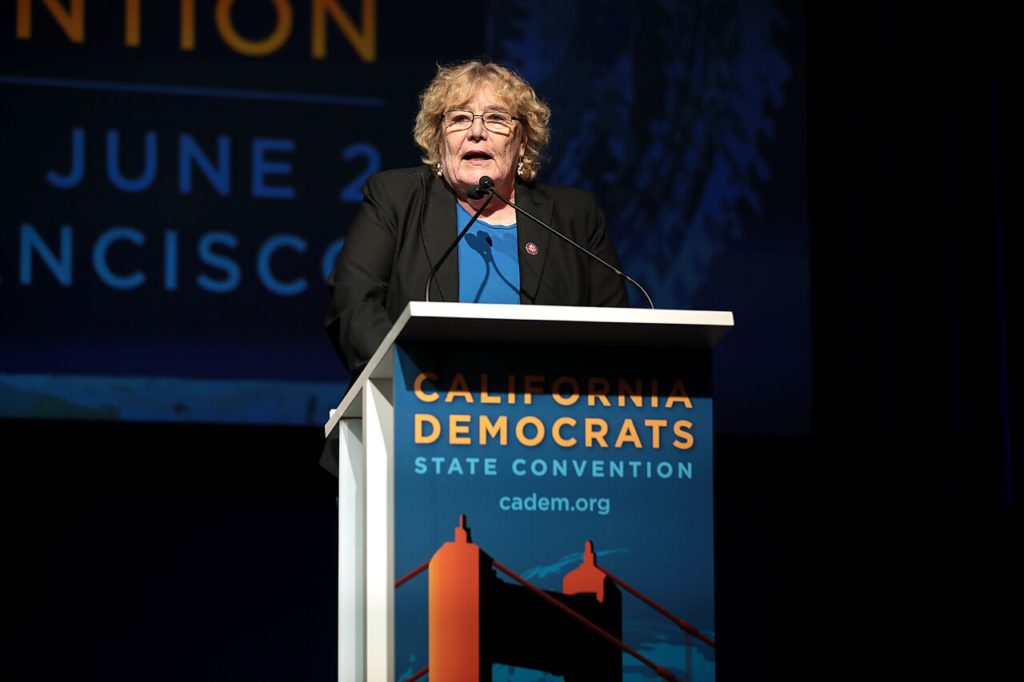
A senior House Democrat accused US Commerce Secretary Howard Lutnick on Thursday of structuring Washington’s $1.58 billion investment into USA Rare Earth in a way that gives the government “highly concerning” leverage over the company while boosting Lutnick’s family-run investment firm.
In a 10-page letter, Representative Zoe Lofgren, the ranking member of the House Committee on Science, Space, and Technology, wrote that the proposed deal would let the Commerce Department keep an equity stake even if it decides not to invest while also leaving the company reliant on a $1.5 billion private capital raise led by Cantor Fitzgerald, the financial firm previously led by Lutnick and now run by his sons.
“This deal creates a massive personal conflict by granting the Secretary of Commerce overwhelming leverage to influence the behavior of a private company while positioning him to promote the interests of his sons as a condition of his support,” wrote Lofgren, a California Democrat.
The letter offers a glimpse into the types of investigations Democrats could pursue if they regain power in Washington after the November midterm elections, as lawmakers scrutinize the administration’s aggressive use of federal financing and equity stakes to reshape supply chains for critical minerals and other strategic industries.
CEO Barbara Humpton and a spokesperson for USA Rare Earth were not immediately available to comment. The Commerce Department did not immediately respond to requests for comment.
Funding in exchange for equity stake
The Commerce Department’s CHIPS Program Office in January signed a non-binding letter of intent to provide up to $1.58 billion in funding to USA Rare Earth — including a $277 million grant and a $1.3 billion loan — in exchange for an equity stake of between 8% and 16%.
The funds are slated to help the company develop a mine in Sierra Blanca, Texas, slated to open by 2028, and a magnet manufacturing plant in Stillwater, Oklahoma, which is expected to open this year.
According to the company’s regulatory filings, the government could retain its equity stake even if the deal falls through or if funding is clawed back, a provision Lofgren called “deeply strange” for a federal investment.
The company must meet a series of milestones to receive the funding, including raising additional private capital, completing technical studies and demonstrating market demand for its manufacturing plans, according to the filing.
Lofgren argues those conditions could leave the company dependent on the discretion of Commerce officials and create the potential for undue influence, especially given that the private capital raise from Cantor Fitzgerald is a condition for finalizing the government investment.
“The interplay between the company’s vulnerability and your personal conflict is a glaring red flag,” Lofgren wrote.
The lawmaker also questioned whether the Commerce Department has legal authority to take equity stakes in companies under the CHIPS and Science Act, arguing that the law’s “other transaction” authority does not allow government stakes in private firms.
The Trump administration has used similar structures to take equity positions in a range of companies, arguing the investments are needed to strengthen domestic supply chains and national security.
Lofgren asked the department to provide the committee with documents tied to the deal’s negotiation by April 3.
Reuters reported in January that a US Senate committee is separately reviewing at least one other equity deal in the critical minerals sector.
(By Jarrett Renshaw and Ernest Scheyder; Editing by Sergio Non and Rod Nickel)
{{ commodity.name }}
{{ post.title }}
{{ post.date }}



Comments