Vietnam curbs exports of refined rare earths, reaffirms ban on ore trade
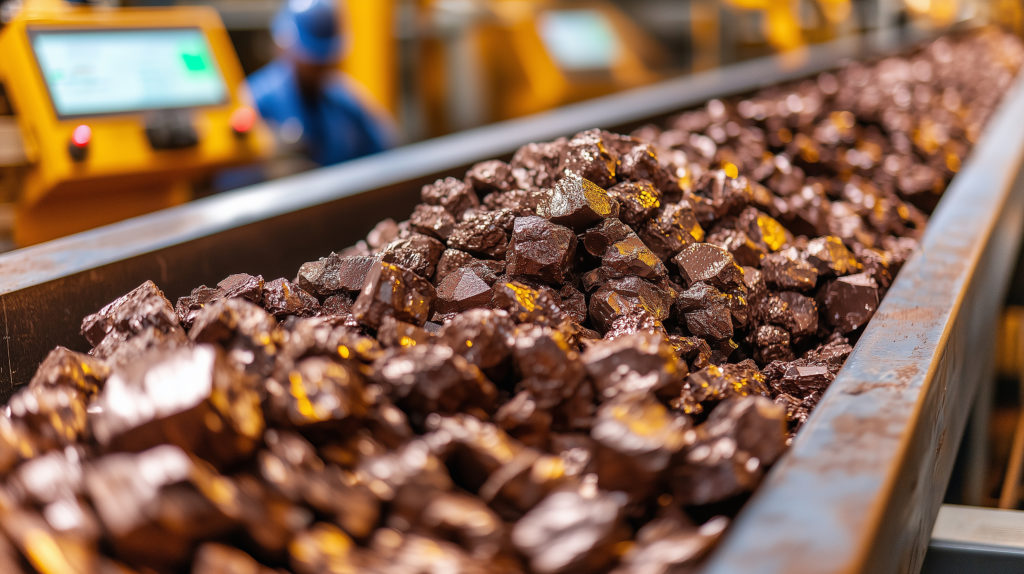
Vietnam’s parliament on Thursday approved a revised law that restricts exports of refined rare earths and reaffirms a ban on ore exports, in a bid to support a domestic industry that has struggled for decades to exploit its substantial reserves.
Vietnam has some of the world’s largest deposits of rare earths, according to the US Geological Survey, though the government agency earlier this year significantly lowered its estimate of the country’s reserves to 3.5 million metric tonnes from 22 million tonnes.
Changes to the existing law on minerals state that “deep processing of rare earths must be associated with building a modern industrial ecosystem to improve the domestic value chain and ensure autonomy,” which indirectly restricts the export of refined rare earths.
The West is scrambling for alternatives to China’s refined rare earths, used in cars, renewable infrastructure and other sensitive industries. Beijing, which dominates global supplies, introduced export controls in April at the height of its trade war with the US.
Vietnam’s restrictions will have no immediate impact as the country has virtually no refining capacity at the moment.
It has banned the export of rare earth ores since at least 2021. But regulatory hurdles have long prevented the exploitation of its reserves by local enterprises and foreign partners.
The new law reaffirms the ban on exporting ores and stresses that “exploration, exploitation and processing activities must be strictly controlled.”
(By Francesco Guarascio and Khanh Vu; Editing by Thomas Derpinghaus)
{{ commodity.name }}
{{ post.title }}
{{ post.date }}
Comments