Zimbabwe scraps gold royalty hike, sets higher threshold for windfall tax
Zimbabwe has reversed plans to double its gold royalty rate to 10%, a new 2026 budget bill showed on Wednesday, following protests by miners and industry groups.
A royalty rate of 5% would continue to apply for gold prices between $1,200 and $5,000 per ounce, according to the revised budget bill, which was approved by Zimbabwe’s lower parliament chamber in the early hours of Wednesday following lengthy debate.
In his budget speech last month, Finance Minister Mthuli Ncube had proposed doubling the gold royalty rate to 10% for gold sold above $2,501 an ounce.
During the late-night budget debate, however, he told lawmakers that a 10% royalty rate would now only apply if the bullion price topped $5,000 an ounce.
Small-scale miners would continue to pay lower royalty rates of up to 2%, he added.
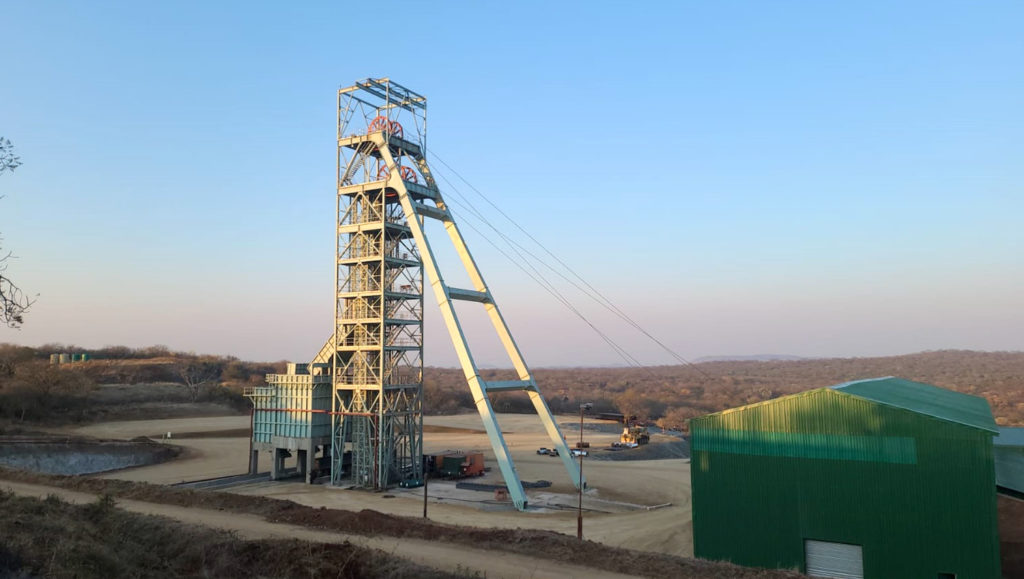
Large-scale miners such as Caledonia Mining Plc have warned that the proposed royalty hike would impact profitability at its 80,000 ounce-per-year Blanket mine in southern Zimbabwe.
Caledonia said the royalty increase and other changes to Zimbabwe’s fiscal regime would also undermine plans to develop its $500 million Bilboes project, which is set to be Zimbabwe’s biggest gold mine.
The southern African nation produced 42 metric tons of gold in the 11 months to November 2025, a new peak, outpacing the previous record of 37 metric tons in 2024.
Industry groups had warned that the government’s royalty hike would hurt efforts to attract investment and reposition Zimbabwe among Africa’s top gold producers.
(By Nelson Banya; Editing by Joe Bavier)

{{ commodity.name }}
{{ post.title }}
{{ post.date }}
Comments
Stephen Skinner
Good to see this, it will accelerate Zimbabwe to being the number one jurisdiction in Africa for investment and subsequent development, will generate far for revenue than high %, Jobs, growth, increased GDP and with the likes of Ariana Resources and Caladonian setting the standard, this is a great time to show support to this important sector