Zimbabwe to continue mineral purchases in 2026, central bank governor says
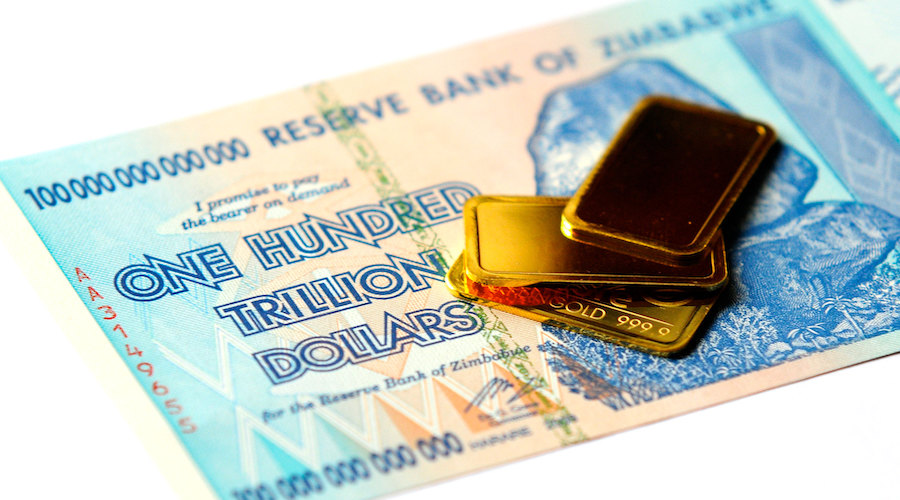

Zimbabwe will continue to make strategic mineral purchases in 2026 in order to build its foreign currency reserves, as it pushes ahead with plans to adopt the ZiG as its sole currency by 2030, central bank governor John Mushayavanhu said on Sunday.
In an opinion article published in the state-run Sunday Mail, Mushayavanhu said the central bank will next year “continue and entrench the current trend of foreign currency reserves accumulation” with the aim of eventually attaining the desired optimal reserves of three to six months import cover.
“The Reserve Bank strongly believes that maintaining the current trend of foreign currency reserves build up would enable it to meet the desired target in the near to medium term, for the smooth transition to mono currency,” he wrote.
“This will be achieved via sustained export surrender enforcement, strategic mineral purchases and our robust external sector. A growing reserve chest will further entrench ZiG stability and external shock resilience,” he added.
He said foreign currency reserves — comprising gold, other precious minerals, foreign deposits, and cash — rose to $1.1 billion as of December from $276 million in April, representing about 1.2 months import cover.
Zimbabwe has tried for almost two decades to re-establish a viable national currency after a series of failed attempts triggered hyperinflation and wiped out savings, forcing the economy to dollarize in 2009. Its latest effort is the ZiG, which was introduced in April 2024 and now accounts for about 40% of daily transactions.
The central bank has aggressively pursued a foreign currency accumulation strategy through mandatory mining royalties, outright gold purchases and leveraging on the rally in gold and platinum metal prices, he said.
Under Zimbabwean laws, mining and other exporting companies are allowed to retain 70% of their earnings in dollars, with the remainder paid in local currency.
Since October 2022, the country has required mining entities to pay half their royalties in the form of commodities to the central bank and the rest in cash.
(By Godfrey Marawanyika)

{{ commodity.name }}
{{ post.title }}
{{ post.date }}



Comments