Canada, Brazil launch AI push to find nickel deposits
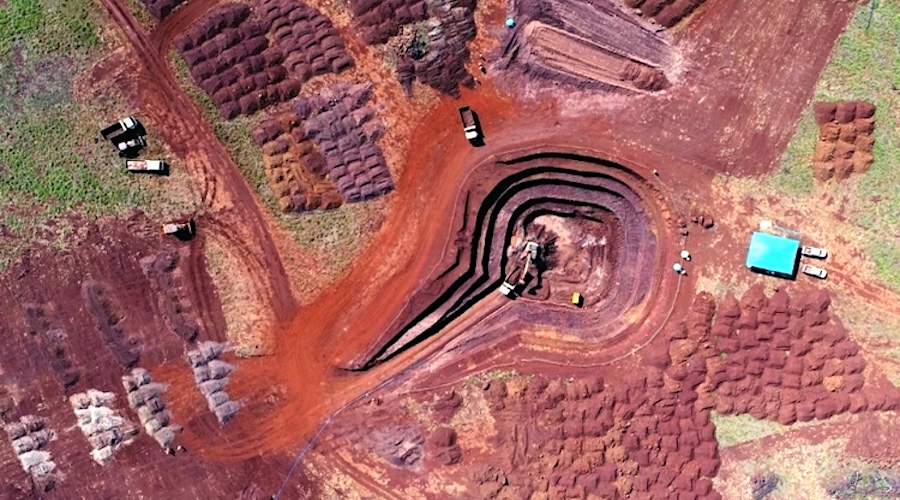
Canada and Brazil have signed a technical cooperation agreement to advance research aimed at identifying areas with a higher probability of containing nickel deposits.
The Geological Survey of Brazil (SGB) and the Geological Survey of Canada (GSC) formalized the partnership during the PDAC 2026 global mining convention in Toronto. SGB chief executive Vilmar Simões and GSC director Geneviève Marquis signed the accord.
Researchers from both countries will collaborate on studies examining the geological processes responsible for the formation, concentration and preservation of nickel deposits. The work will focus on developing an integrated exploration approach that combines geoscientific databases, including geology, geochemistry, geophysics and remote sensing data.
The partnership will also apply mineral potential modelling using artificial intelligence, with results processed and compared on a shared research platform. Initial findings from the joint work are expected in 2027.
Simões said the collaboration will allow both countries to expand exploration capabilities by sharing expertise and modern techniques.
“The partnership is strategic because it allows us to exchange experiences and advance in the use of more modern methodologies to identify areas with mineral potential,” Simões said in a statement. “Brazil and Canada have much to gain from this cooperation, but the impacts go further. We are talking about a contribution that will meet the global demand for strategic minerals for the energy transition.”
Brazil holds an estimated 16 million tonnes (Mt) of nickel reserves, ranking third globally behind Indonesia, which has about 62 Mt, and Australia with 25 Mt. Despite that resource base, Brazil ranks eighth in global nickel production and accounts for about 2.1% of total output, data from SGB shows.
Market and legal hurdles
International interest in Brazil’s nickel potential has grown in recent years, although volatile nickel prices have created challenges for project development and financing. Several projects have struggled to advance even as dealmaking in the sector continues.
Last year, MMG Singapore Resources, a unit of Chinese state-owned miner MMG, agreed to acquire Anglo American’s (LON: AAL) nickel assets in Brazil for $500 million. The deal, however, came under regulatory scrutiny both in Brazil and from the European Union. As a result of the prolonged review process, the companies extended the long-stop date to June 30 this year.
The new partnership also comes amid wider geopolitical tensions over critical mineral supply chains. Governments and multilateral institutions have increased efforts to finance new mining projects and diversify supply as concerns grow about China’s influence over key minerals used in clean energy technologies.
In Brazil, those tensions surfaced this week in a legal dispute involving Canadian miner Equinox Gold (TSE: EQX). A Brazilian court halted the transfer of mineral rights linked to a gold asset sale from Equinox to Chinese metals producer CMOC.
Equinox Gold agreed in January to sell Brazilian gold assets to CMOC in a $1 billion deal. Brazilian state-run Companhia Baiana de Pesquisa Mineral (CBPM), which leases mineral resources in Bahia state included in the transaction, argued the sale violated its leasing agreement.
A judge sided with CBPM and blocked the transfer of the Bahia mineral rights, while scheduling a conciliation meeting between the parties for March 30.
More News

{{ commodity.name }}
{{ post.title }}
{{ post.date }}
Comments