Peru reauthorizes Southern Copper’s $1.8B project amid election chaos
Peru has reauthorized the mining permit for Southern Copper’s (NYSE, LON: SCCO) $1.8 billion Tía María project, after authorities earlier in April forced a fresh review of one of the country’s most contentious copper developments.
The Ministry of Energy and Mines (Minem) confirmed the project – more than a decade in the making – has now met the necessary regulatory requirements, including environmental certification, ownership and safety and health obligations. Minem previously flagged incomplete technical plans, including waste dump design and project scheduling.
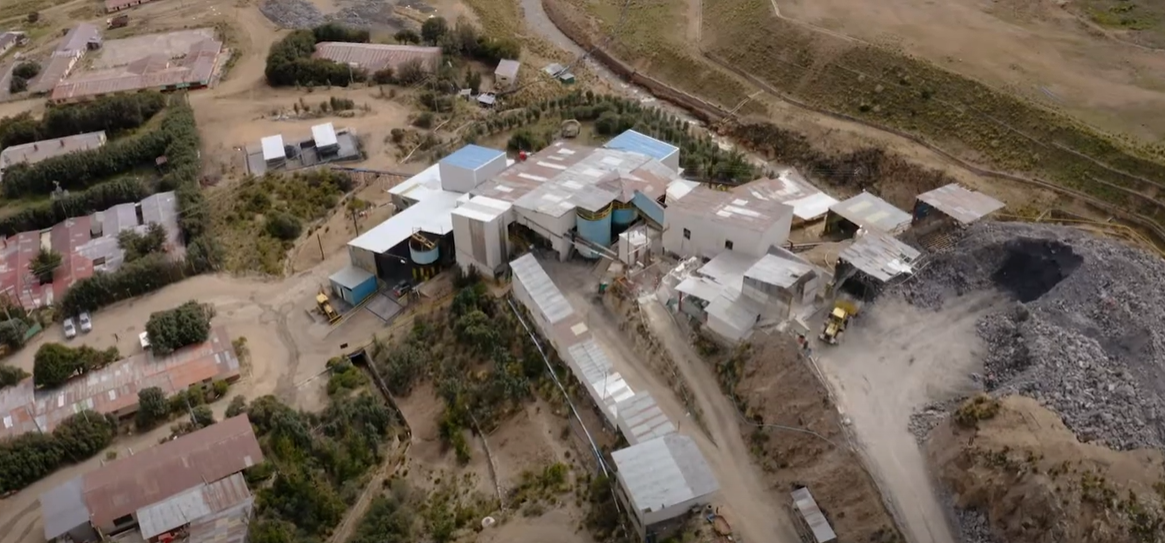
The approval allows the Peruvian unit of Southern Copper to begin the first stage of operations at the La Tapada open-pit mine, located in the Arequipa region of southern Peru. Southern Copper also operates the Toquepala and Cuajone copper mines as well as the Ilo refinery in southern Peru.
Tía María is expected to begin production by the end of this year or early 2027, delivering 120,000 tonnes of copper annually over a projected 20-year lifespan.
Southern Copper, a subsidiary of Grupo Mexico, is the world’s third most valuable mining stock with a market cap of $160B in New York. SCCO is one of the best performing companies in the MINING.COM Top 50 ranking, with a gain of 37% year to date.
Chaotic elections
Copper alone accounts for roughly 25–30% of Peru’s total exports, by far the country’s main economic driver and contributor to state coffers, but an estimated $7 billion in copper projects have been stalled by illegal mining activity. Illicit gold exports could reach $12B in 2025, according to the Peruvian Institute of Economics.
Peru is in the midst of a presidential elections run-off after the April 12 vote failed to deliver a clear winner and authorities say the official outcome may only be confirmed by mid-May due to disputed ballots and slow counting.
Exit polls and partial counts showed Keiko Fujimori, the 50-year-old right-wing candidate and daughter of jailed former president Alberto Fujimori, ahead in the first round of presidential and legislative elections with around 17% of the vote, well below the 50% threshold needed to avoid a second vote.
The race for second place has not been determined yet: Rafael (“Porky”) López Aliaga, a former mayor of Lima, is neck and neck with left-leaning Roberto Sánchez, who is associated with rural and working-class constituencies.
Fujimori’s campaign leaned heavily on law-and-order messaging reminiscent of her father’s 1990s presidency, echoing a broader regional shift that has helped elect leaders such as Chile’s Jose Antonio Kast and Argentina’s Javier Milei.
Rightwinger Aliaga struck a similar tone, warning that unused mining permits could revert to the state — a move that would signal a potential shake-up in Peru’s most important sector.
Sánchez has proposed a model he calls “minería social”, which includes higher environmental standards, greater participation of local communities in resource extraction, and stronger state involvement in the sector, including reviewing or reclaiming idle mining concessions.
Aliaga or Sánchez will face Fujimori in a run-off vote scheduled for June 7th. Peru has had six governments in little over a decade, with multiple removals via impeachment and one resignation under pressure.
2026 is shaping to be a key year for Latin America, with resources at the centre of a growing global power struggle, as governments and investors focus on who controls critical minerals and the supply chains behind them. If the region matters to you, don’t miss MINING.COM’s Latin America series tracking the geopolitical forces reshaping it and why markets are increasingly driven by global alliances as much as local politics.
Countries in the series so far:
{{ commodity.name }}
{{ post.title }}
{{ post.date }}
Comments