Mining Association of British Columbia touts economic impact, presses province on DRIPA
British Columbia’s mining industry says the province is gaining momentum on major project development, but warned that regulatory uncertainty and rising costs could jeopardize future investment.
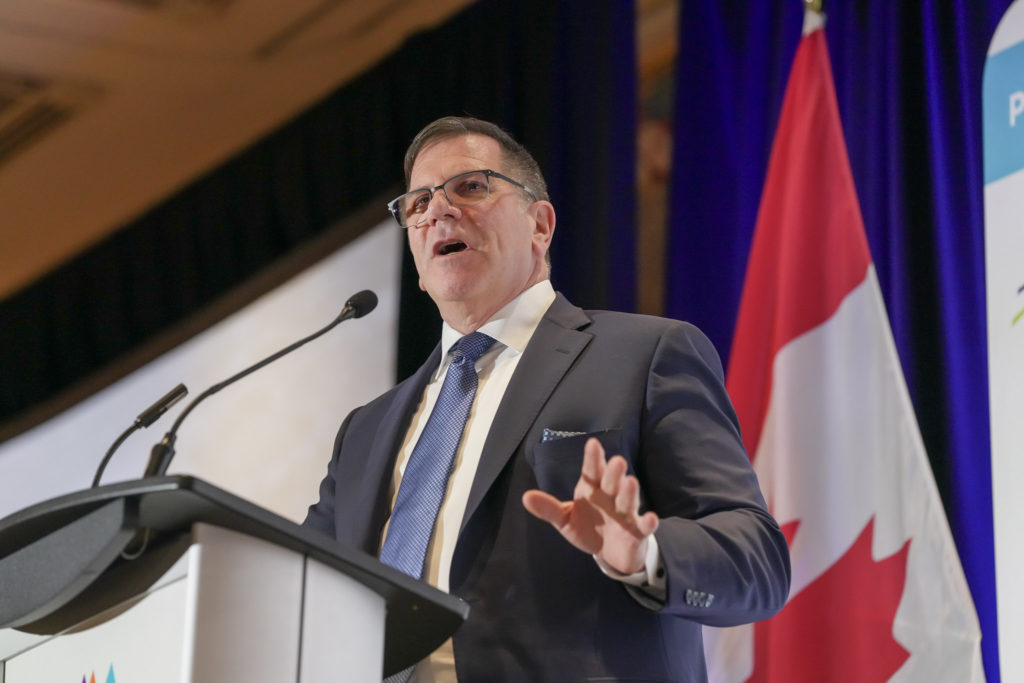
Speaking at a Greater Vancouver Board of Trade event at the Fairmont Hotel Vancouver on Tuesday, Mining Association of BC (MABC) CEO Michael Goehring highlighted figures from its new Economic Impact Study released the same day, showing the sector generated C$19.6 billion in economic output in 2024, supported 56,000 jobs and contributed nearly C$6 billion in government revenue.
“All of that from 18 mines and two smelters,” Goehring said. “Mining has a small physical presence, but a large economic impact in BC. Our mines punch well above their weight.”
The smelters operating in British Columbia are the Rio Tinto BC Works aluminum smelter in Kitimat and Teck Resources’ zinc-lead smelting and refining complex in Trail.
While BC is a major producer of copper, there are currently no operational copper smelters in the province, and Goehring pointed out the economics of a build are currently unviable.
The industry is pointing to signs of progress after the provincial government fast-tracked projects earlier this year, as part of the federal Major Projects Office.
Of the four mining projects included on the province’s list of 18 priority developments, three have now received permits and two are under construction.
Among them are Teck Resources’ Highland Valley Copper extension near Logan Lake, Skeena Gold and Silver’s Eskay Creek project in northwestern BC, and Centerra Gold’s Mount Milligan mine life extension near Prince George.
The projects are part of what the industry says is a broader surge in mining activity across the province, particularly in northern BC, where 24 proposed projects are in various stages of development.
Industry leaders say the scale of potential investment is enormous. Construction of those northern projects alone could generate more than C$67 billion in economic output, according to figures cited in MABC’s report.
Goehring also emphasized mining’s growing importance to Metro Vancouver’s economy.
The new economic impact report, also released Tuesday, found BC’s operating mines and smelters supported more than 12,300 jobs in Metro Vancouver in 2024 and generated more than C$3.5 billion in annual economic output for Metro Vancouver and Vancouver Island.
The report also noted Metro Vancouver is home to nearly 1,000 mining and exploration companies with a combined market capitalization of roughly C$449 billion.
“While Calgary has oil and gas, Vancouver has mining,” Goehring said. “Metro Vancouver is a global mining centre.”
Anglo American’s proposed $53-billion mega-merger with Teck Resources would create a global copper giant headquartered in Vancouver.
Calls for clarity on DRIPA
The optimism surrounding new projects and strong global demand for copper and critical minerals was tempered, however, by ongoing concerns over permitting delays and policy uncertainty.
Goehring said lengthy regulatory processes remain the “primary barrier” to new mine development in BC, despite recent improvements.
“There’s more work to do to build on this momentum and drive systemic change and durable improvements to accelerate our province’s mine permitting process,” he said.
The industry is also closely watching the implications of recent court decisions tied to BC’s Declaration on the Rights of Indigenous Peoples Act, or DRIPA, which mining executives say has created uncertainty around project approvals.
The British Columbia Court of Appeal determined in a new ruling in December 2025 that DRIPA incorporates the United Nations Declaration on the Rights of Indigenous Peoples (UNDRIP) and creates legally enforceable obligations.
Premier David Eby is facing significant pressure and criticism regarding his handling of DRIPA, and has been under fire for “flip-flopping” on plans to amend or suspend parts of the act.
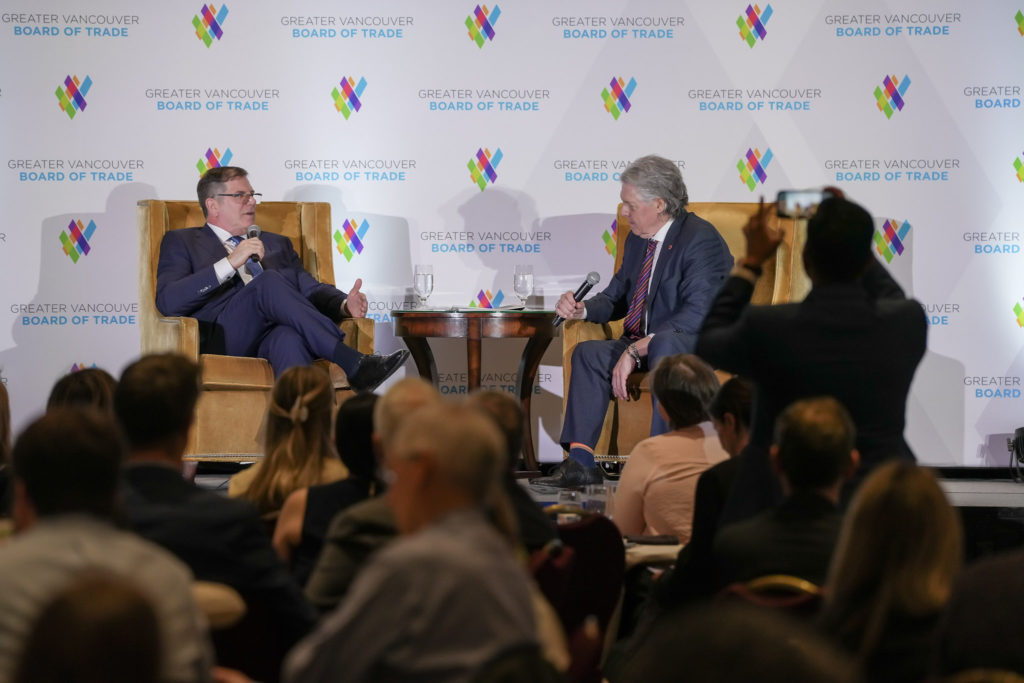
“We need clarity, we need certainty,” Goehring said during a panel discussion moderated by Conversations Live host Stuart McNish following his remarks. “Investment hates uncertainty.”
Goehring stressed that mining companies continue to work closely with First Nations communities through partnership agreements, Indigenous employment initiatives and equity participation opportunities, but said governments must provide clearer policy direction.
The sector is also pushing back against provincial tax changes, arguing that the expansion of the provincial sales tax to some professional services will increase costs for mining projects already facing financing pressures.
One advanced-stage mining company estimates the changes could add between C$2 million and C$3 million in costs between 2027 and 2030, Goehring said.
At the same time, the industry faces looming labour shortages. According to the Mining Industry Human Resources Council, BC will require 5,000 net new workers over the next decade to meet expected demand.
Despite the challenges, mining executives said BC remains well-positioned to capitalize on rising global demand for critical minerals and metals needed for electrification and energy transition projects.
“It’s a once-in-a-lifetime opportunity,” Goehring said. “But now more than ever, we need to remain focused, committed and determined.”
More News

{{ commodity.name }}
{{ post.title }}
{{ post.date }}
Comments