Sherritt shares crater on Cuba sanctions shock
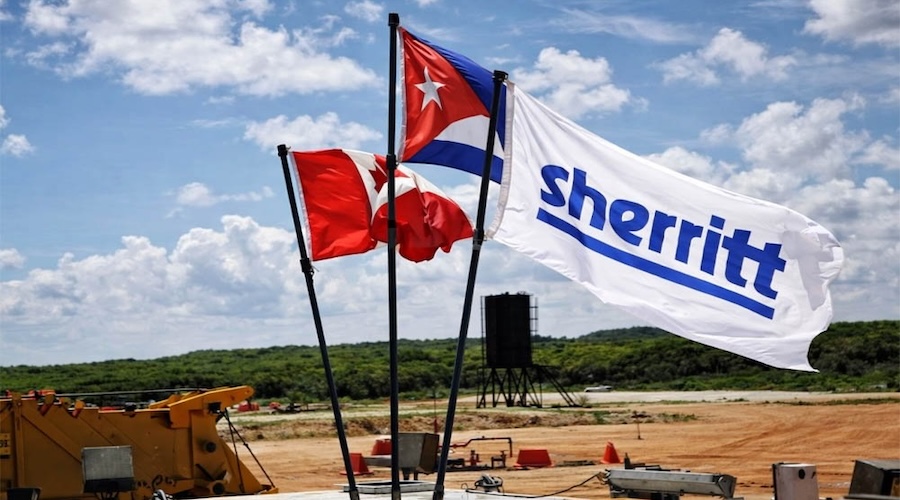
Shares in Sherritt International (TSX: S) fell as much as 30% on Thursday after the Canadian miner suspended its direct participation in Cuba operations as a result of sweeping new US sanctions targeting the island’s metals and mining sector.
The Toronto-based company said it had “suspended its direct participation in joint venture activities in Cuba, effective immediately” and was repatriating Canadian employees from the country.
Sherritt, which is due to report earnings next week, also said that Brian Imrie, Richard Moat and Brett Richards had stepped down from the board.
Shares in the company were trading at about C17¢ by mid-afternoon in Toronto, valuing the company at roughly C$120.7 million after a collapse of nearly 72% over the past five years.
The miner said it hasn’t been formally designated under Trump’s new measure, but noted “the mere issuance of the executive order itself creates conditions that materially alter the corporation’s ability to operate in the ordinary course.”
“The company is taking steps to protect its employees and preserve value where possible,” Sherritt said in the statement announcing the move.
Geopolitical blow
Sherritt’s operations halt marks a dramatic escalation in the fallout from President Donald Trump’s calls to isolate Cuba economically.
After the US captured Venezuela’s President, Nicolas Maduro, in January, Venezuelan oil shipments to Cuba were halted, cutting it off from its main supplier. Trump signed at the time an executive order imposing tariffs on any country that sells or provides oil to the struggling Caribbean nation.
On May 1, the US expanded sanctions to target foreign actors operating in Cuba’s metals and mining, energy, defence, financial services and security sectors.
The measures threaten the foundation of Sherritt’s business model, which has depended on Cuba for decades through its 50% stake in the Moa nickel and cobalt joint venture and a one-third interest in Cuban power producer Energas S.A.
Canada refinery safe, for now
Sherritt had already warned in February that the Moa operation risked running out of fuel after Venezuelan oil shipments to Cuba were halted. The company’s refinery in Fort Saskatchewan, Alberta, which processes Cuban nickel and cobalt feedstock, continues operating for now, though existing supplies are expected to be depleted by mid-June.
Sherritt’s ties to Cuba have long put it at odds with Washington. The Helms-Burton Act in the 1990s, barred former CEO Ian Delaney and other executives from entering the US because of the company’s Cuban operations.
Founded in 1927, Sherritt formed the Moa joint venture with Cuba’s General Nickel Company in 1994 and reached a market value approaching C$5 billion during the commodity boom of the late 2000s.
Latin America’s resources have been this year at the centre of a growing global power struggle, with governments and investors focused on who controls critical minerals and the supply chains behind them. If the region matters to you, don’t miss MINING.COM’s new series tracking the geopolitical forces reshaping it and why markets are increasingly driven by global alliances as much as local politics.
Countries in the series so far:
{{ commodity.name }}
{{ post.title }}
{{ post.date }}
Comments