Op-Ed: Blind spots in the rush for critical minerals could derail energy transition
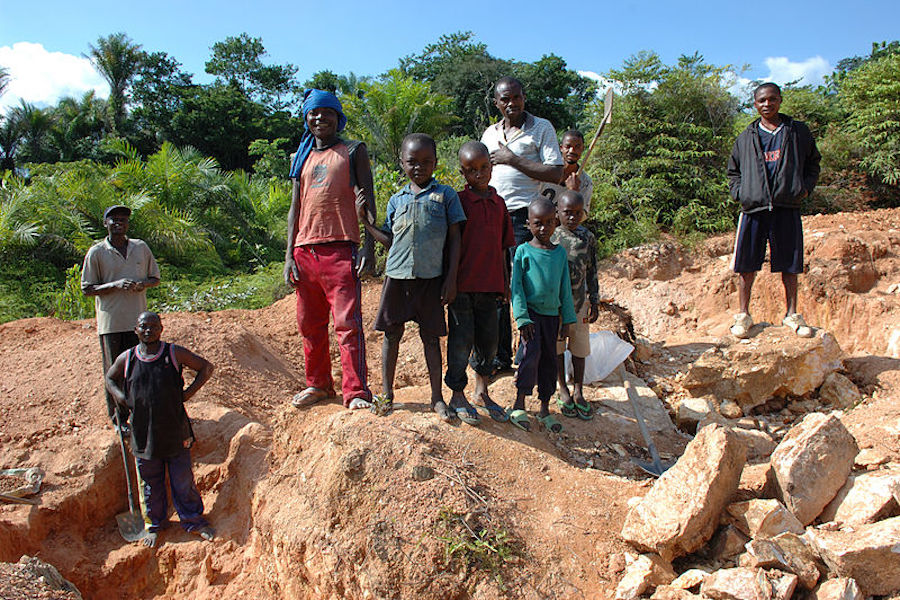
As the United States races to secure critical minerals for clean energy, defence and artificial intelligence, the biggest threat to supply chains may not be geology or geopolitics but failures in community trust and local governance.
Research and experience in mining-affected regions suggest projects are increasingly delayed, suspended or cancelled not because of mineral diplomacy, but because companies and governments fail to secure a social licence to operate.
A recent study found nearly half of 72 mining projects missed delivery deadlines over eight years, while about 62% of permitting delays were tied to environmental concerns or community opposition.
Other research shows that social conflict can cost mining companies up to $20 million a week in lost production.
Companies that bypass consultation processes, sideline Indigenous rights or weaken environmental safeguards often create the same delays policymakers and investors are trying to avoid.
Mining’s long shadow
Part of the challenge is historical. Mining has left a legacy of environmental damage, labour abuses and broken promises continues to shape opposition in many regions.
Legal permits alone are insufficient if communities feel excluded from decisions affecting land, water and livelihoods.
The concept of a social licence to operate has become essential because it must be maintained through transparency, consultation and consent rather than granted once through permitting. Companies that prioritize community engagement and human rights standards are more likely to complete projects on time and on budget.
America’s $30B bet and what’s missing
The issue is becoming more urgent as Washington commits more than $30 billion in loans, financing and strategic initiatives aimed at reshaping global critical mineral supply chains and reducing reliance on geopolitical rivals.
Policymakers and investors remain too focused on international competition while overlooking local realities that ultimately determine whether projects proceed.
Systemic blind spots including weak traceability, inadequate engagement with Indigenous communities and inconsistent reporting on attacks against human rights defenders remain key vulnerabilities.
A better path forward
If the goal is truly to build resilient, secure, and responsible supply chains, then governments and companies must change course.
First, US financing for critical mineral projects should be tied to strong environmental and social safeguards, including international standards and independent accountability mechanisms, such as standards set by the Initiative for Responsible Mining Assurance and the International Finance Corporation (IFC) Performance Standards on Environmental and Social Sustainability.
Second, companies must resist the temptation to bypass human rights and environmental safeguards, instead investing early in community engagement, risk mapping, and long-term relationship building.
Third, free, prior, and informed consent must become standard practice, particularly given the extensive overlap of critical mineral reserves with Indigenous lands, according to the Centre for Social Responsibility in Mining at the University of Queensland.
Finally, transparency must be non-negotiable, from mine site to final product, so that risks can be identified and addressed before they escalate into conflict.
The choice ahead
The global critical minerals race is also a test of whether governments and industry can avoid repeating past mistakes.
Future generations may judge success not by how much lithium or copper countries secured. They will ask how, when the warning signs were so clear, we did not see the blind spot in our rearview mirror.
* Andrew Bogrand is the policy lead for human rights and natural resource justice at Oxfam, a global organization that fights inequality to end poverty and injustice.
More News

Bomb attack damages Ecuador mining agency probing illegal gold
It’s the second blast in recent weeks affecting Arcom offices.
June 29, 2026 | 12:28 pm

{{ commodity.name }}
{{ post.title }}
{{ post.date }}
Comments