Human rights allegations at critical minerals mines jump 73%
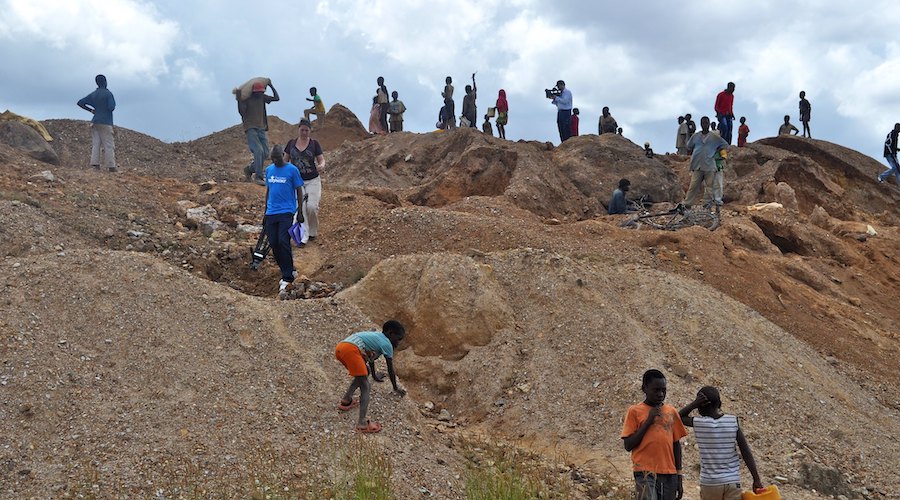
The global rush to secure copper, lithium and other energy-transition minerals drove a 73% increase in human rights abuse allegations at major mining operations in 2025, underscoring mounting social and environmental risks linked to the clean energy supply chain.
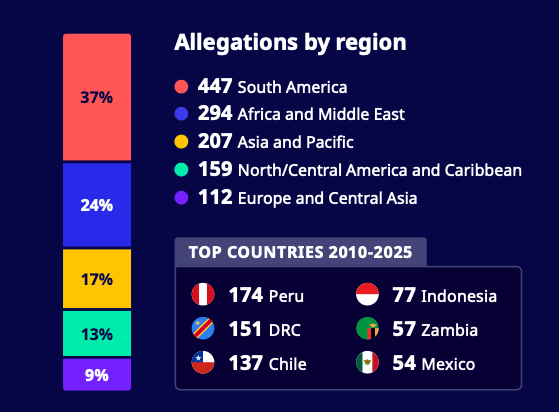
The Business and Human Rights Resource Centre’s 2026 Transition Minerals Tracker recorded 329 allegations of abuse last year, up from 156 in 2024, bringing the total since 2010 to 1,226 allegations across 299 mining operations producing key transition minerals including copper, cobalt, lithium, nickel and rare earth elements.
The report also documented 42 attacks against human rights and environmental defenders, more than 50% higher than the previous year.
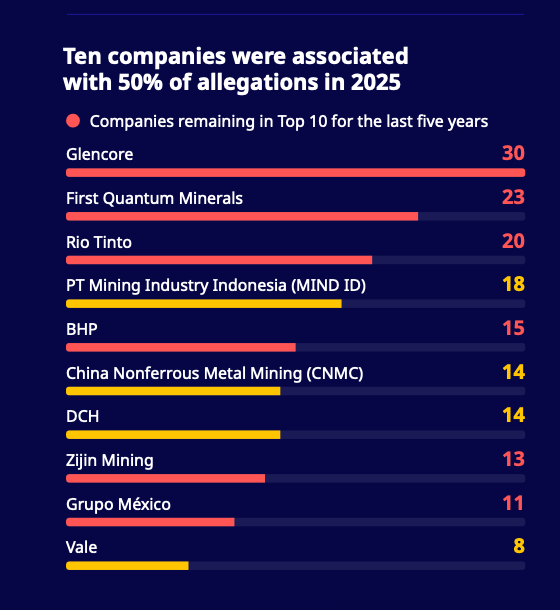
“Growing mineral demand is also fuelling environmental and human rights risks to Indigenous Peoples and local communities, as well as rising conflict between industry and communities where these harms materialize,” the report said. It found allegations increasingly centred on water pollution, worker safety, land rights and impacts on Indigenous communities.
South America leads
The findings highlight a growing challenge for governments and companies racing to secure supplies of minerals needed for electrification, renewable power and battery manufacturing. South America remained the region with the highest number of recorded allegations, while Africa posted the sharpest increase, with reported abuses more than doubling from a year earlier.
Copper mining accounted for about 60% of all allegations in 2025, reflecting the metal’s central role in global decarbonization efforts.
The report argues that neglecting community concerns and human rights protections ultimately threatens the energy transition itself. It recorded 61 protests, 10 strikes and 44 lawsuits or regulatory actions linked to mining operations in 2025, with at least 27 cases resulting in mine suspensions, slowdowns or closures. Researchers said those disruptions create material risks for mining companies, investors and downstream manufacturers that depend on reliable mineral supplies.
Supply risks
Indigenous Peoples remained disproportionately affected, accounting for 17% of allegations despite representing about 6% of the global population. Worker-related complaints also surged, with 92 allegations involving labour rights or occupational health and safety issues, including 22 reports of work-related deaths. The tracker found only 56% of mines associated with allegations were covered by publicly available human rights policies.
The Business and Human Rights Resource Centre said the data show that stronger human rights safeguards, meaningful community engagement and fair benefit-sharing arrangements are essential to building resilient mineral supply chains. Without those measures, the organization warned, rising opposition, litigation and operational disruptions could undermine both mining investments and the broader transition to low-carbon energy.
Read the full report here.
{{ commodity.name }}
{{ post.title }}
{{ post.date }}
Comments