BHP to sell $1.5B Chile power lines in copper-first pivot
Mining giant BHP (ASX: BHP) is preparing to sell about $1.5 billion worth of power transmission assets in Chile as it sharpens its focus on copper and other core commodities.
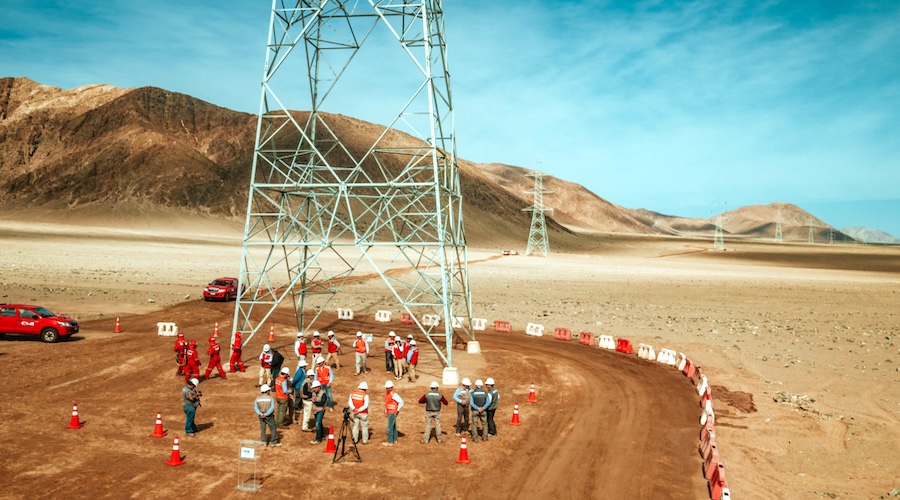
The world’s largest miner is advancing plans to divest roughly 1,000 km of transmission lines that supply electricity to its Escondida, Spence and Cerro Colorado operations, according to Chilean newspaper Diario Financiero, which cited sources familiar with the process.
The transaction could be completed as early as this year, though key details including the sale structure and buyer selection remain under review. BHP did not immediately respond to requests for comment.
“It makes perfect sense for BHP to divest these assets and focus exclusively on its core business,” a person with knowledge of the matter told Diario Financiero, noting the company’s increasing emphasis on copper.
The potential sale highlights a broader strategic shift underway at BHP as demand forecasts for copper strengthen amid electrification and energy transition trends. Infrastructure assets linked to major mining operations offer investors stable, long-term demand, making them attractive targets for transmission companies, energy firms and institutional investors seeking predictable returns.
The Chile transaction would follow BHP’s sale of a 49% stake in power transmission assets connected to its Australian iron ore operations to Global Infrastructure Partners, a BlackRock subsidiary, for $2 billion last year. The company has spent recent years streamlining its portfolio around commodities expected to benefit from long-term structural demand growth, including copper and potash.
Doubling down on copper
The renewed copper focus extends beyond Chile. BHP and Lundin Mining (TSX: LUN) recently secured a major regulatory milestone for their Vicuña copper district project in Argentina after the development was accepted into the country’s Large Investment Incentive Regime (RIGI).
The project, which combines the Josemaría and Filo del Sol deposits along the Chile-Argentina border, carries an initial capital cost of $9.7 billion and could eventually require total investment of up to $18 billion.
Argentinean officials estimate Vicuña could generate more than $2.6 billion annually in exports while supporting more than 30,000 direct and indirect jobs.
The development is widely considered one of the world’s largest undeveloped copper projects and underscores BHP’s growing commitment to the metal, which has become increasingly critical to global electrification and decarbonization efforts.
{{ commodity.name }}
{{ post.title }}
{{ post.date }}
Comments