Blue Moon buys former gallium-germanium mine in Utah from Teck
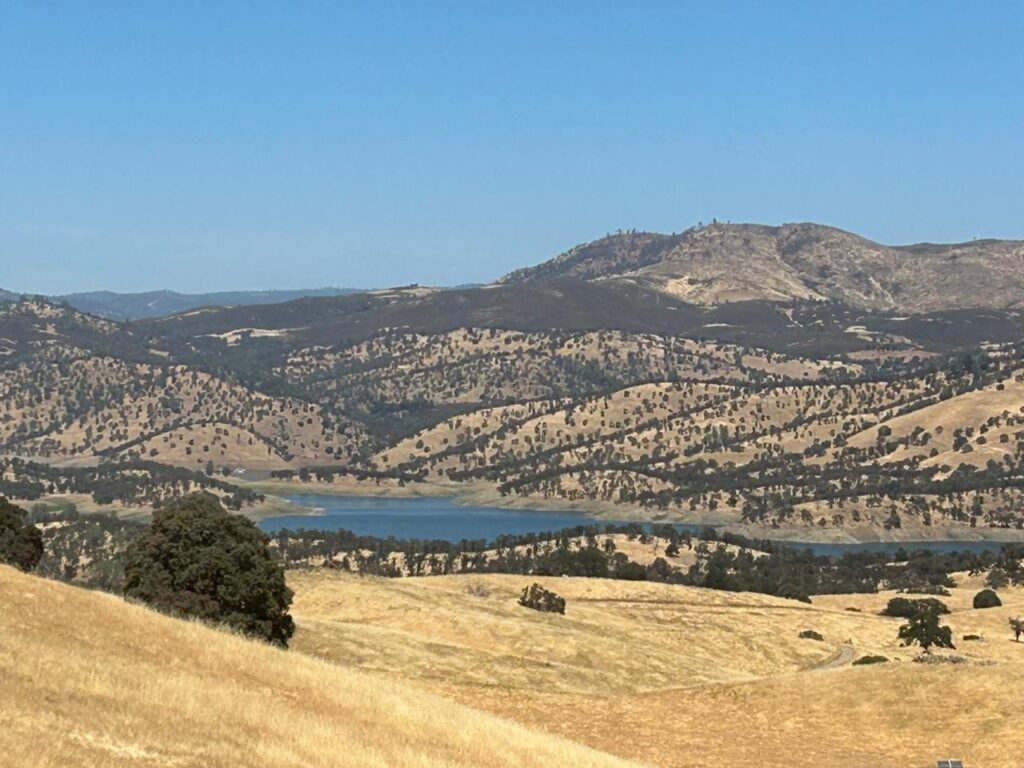
Blue Moon Metals (TSXV: MOON) (NASDAQ: BMM) has acquired a former gallium-germanium mine in Utah from a subsidiary of Teck Resources (TSX: TECK.A/TECK.B), a move that furthers its push into US-based critical minerals assets with potential synergies.
In a statement on Monday, Blue Moon said it will acquire the past-producing Apex mine from Teck American. As consideration, the Vancouver-based explorer will issue approximately 7 million common shares, representing 8% of its total shares outstanding.
The transaction, said the company, makes Teck a “key stakeholder” to support an integrated pipeline of US critical mineral projects to secure North American supply. The deal also adds to an already strong working relationship with key shareholder Hartree Partners LP, an important partner with the US government on their recently announced $12 billion critical metals stockpile, Blue Moon said.
Blue Moon Metals soared an all-time high of C$7.94 in Toronto on the announcement, taking its market capitalization above C$630 million ($460 million). The stock has risen by 60% on the year.
Primary Ga-Ge producer
The Apex mine was once a primary US producer of gallium and germanium, when Musto Explorations brought it into production in the mid 1980s and again with Hecla Mining Company (NYSE: HL) in the 1990s. During its peak year of operations, the mine produced 10,270 tonnes yielding 1,645 lb. of gallium, 5,634 lb. of germanium and 224,800 lb. of copper.
In 1989, Hecla completed a feasibility study for the project, reporting a reserve of 230,200 tonnes grading 0.1% germanium, 0.046% gallium and 1.6% copper. A historical reserve estimate by Ken Krahulec in 2018 estimated 1 million tonnes at 0.087% germanium, 0.033% gallium, 1.8% copper and 41 g/t silver. According to Blue Moon, its germanium and gallium grades are 10-100x higher than most comparable deposits.
Beyond the historical reserves, Hecla also identified several additional breccia bodies as prospective exploration targets, along with further oxide zones in the immediate mine area.
Subject to renewed permits, the company said it plans to fast-track efforts to advance the technical studies, metallurgical testing, process flowsheets, permitting and community engagement to support a final investment decision.
‘Immediate synergies’
Acquiring the Apex mine, said Blue Moon, would add several immediate synergies, including the ability to process zinc concentrates from its underground mine in California at Teck’s Trail operations in British Columbia to solidify a fully integrated North American-sourced value chain.
“Teck and Blue Moon are logical partners, combining Blue Moon’s US project pipeline and processing capacity at Teck’s Trail Operations,” Blue Moon Metals’ CEO Christian Kargl-Simard said in a news release.
“Following our cornerstone investments to rebuild zinc, lead, and silver capacity in Idaho’s Silver Valley, revitalizing the long-standing connection between US miners and our smelting and refining complex in Trail, this transaction with Blue Moon marks another important step to develop new US sources of critical minerals,” Ian Anderson, Teck executive vice president and chief commercial officer, added.
Located in Mariposa County, the Blue Moon site was originally mined for zinc, copper, lead, silver and gold during World War II by Hecla, producing over 55,000 tons of high-grade ore over a two-year period. After decades of inactivity, exploration picked up during the 1980s and 1990s under Imperial Metals, Boliden and Lac Minerals (now Barrick).
Blue Moon took on the project in the modern era, initially under the previous executive team led by former CEO Patrick McGrath. Since a management shakeup in late 2024, the company has completed a modern review and analysis of the historical data, and in March 2025 published an NI 41-101 resource totalling 3.65 million indicated tonnes with a grade of 13.46% zinc equivalent and 4.43 million inferred tonnes at 12.12% zinc equivalent.
Based on the resource, the company also released a preliminary economic assessment that demonstrated the potential for annual average production of 62.3 million lb. of zinc, 22,566 oz. of gold, 681,784 oz. of silver and 7.2 million lb. of copper over a 10-plus-year mine life.
Blue Moon subsequently received mine permits and began construction of an exploration decline in October. First production is forecasted to begin in 2028.
Tungsten build-out
In addition to the California operation, the company has also identified potential synergies with its recently acquired Springer tungsten complex in Nevada’s Pershing County. Like Apex and Blue Moon, the property is host to a past-producing mine that operated between 1918 and 1958.
General Electric Company, interested in securing long-term tungsten supply assets to support its lighting and industrial tools businesses, acquired the property in the 1970s. The current mine and mill were constructed by Utah International (later became BHP Minerals Group) for GE, and subsequently commissioned and operated by GE for eight months in 1982. The property has not been actively mined since.
In 2006, EMC Metals acquired the Springer project from GE and has since completed the refurbishment and upgrades to the milling facility. Blue Moon purchased the site in February 2026 to provide processing capacity to support the development of its California zinc mine and to establish a regional processing hub.
Sitting on a large land package, Blue Moon said “there is significant room” to expand the mill layout and add additional buildings to process multiple ore types and “improve economies of scale to unlock and maximize the value of resources” that would otherwise not support stand-alone processing facilities.
Based on data prepared by GE and Utah International, the Springer project has a historical resource estimate of 10.7 million tonnes at 0.45% tungsten that has yet to be verified. The company said it intends to initiate a drill program this year to update the resource model.
More News
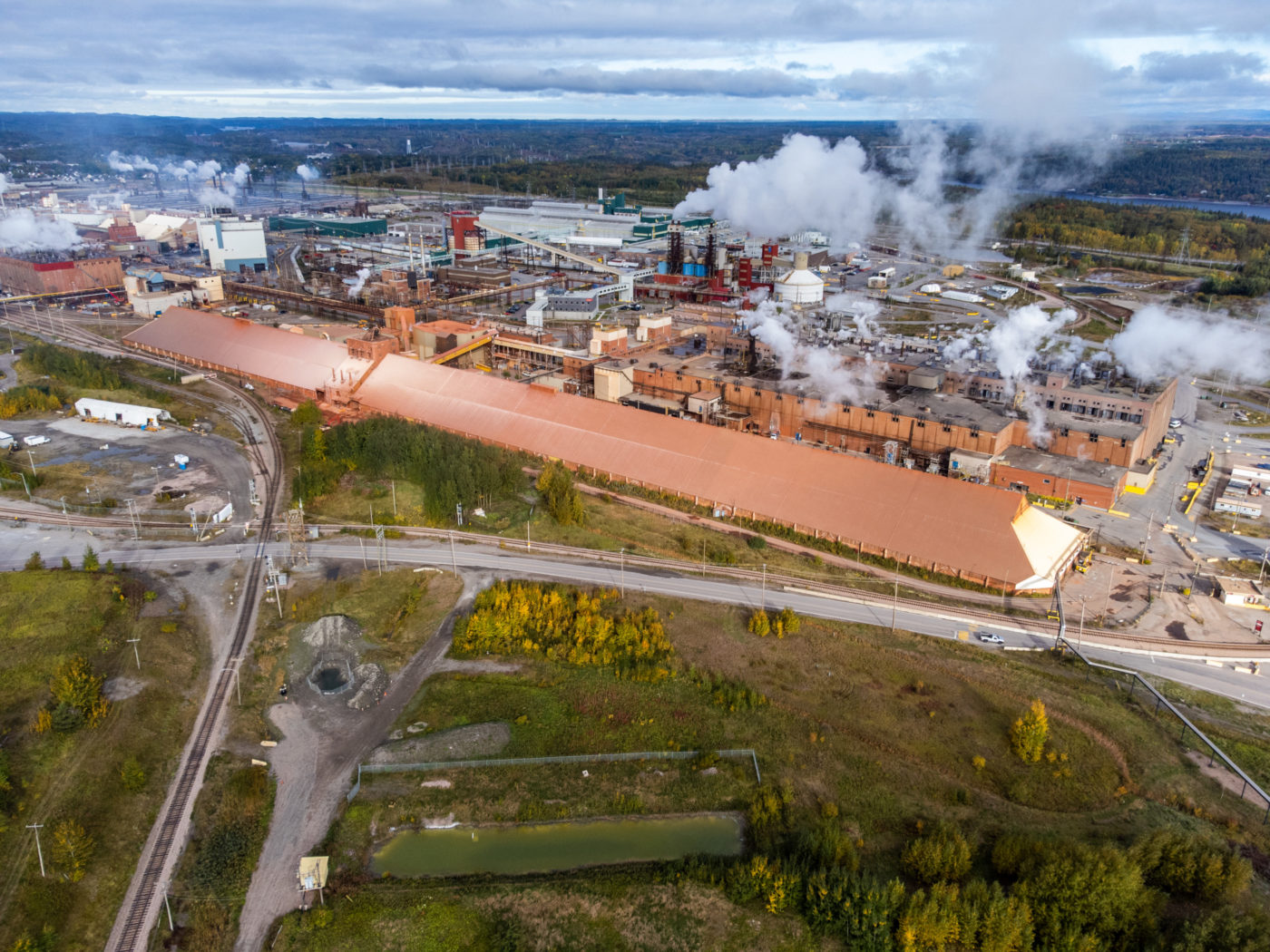
Rio Tinto’s gallium R&D project gets Canadian gov’t backing
March 02, 2026 | 11:00 am
{{ commodity.name }}
{{ post.title }}
{{ post.date }}



Comments