Deep-sea mining threatens 60% of vent species: IUCN
More than 60% of the rare mollusc species living around deep-sea hydrothermal vents face extinction from proposed seabed mining, prompting the International Union for Conservation of Nature (IUCN) to renew calls for a moratorium ahead of global talks on regulating the industry.
The IUCN, the global scientific authority on the status of species, said Thursday that 125 of the 201 known vent-dwelling mollusc species are now listed as threatened on its updated Red List because mining for critical minerals such as copper, cobalt and zinc would blanket fragile ecosystems with sediment and destroy habitats.
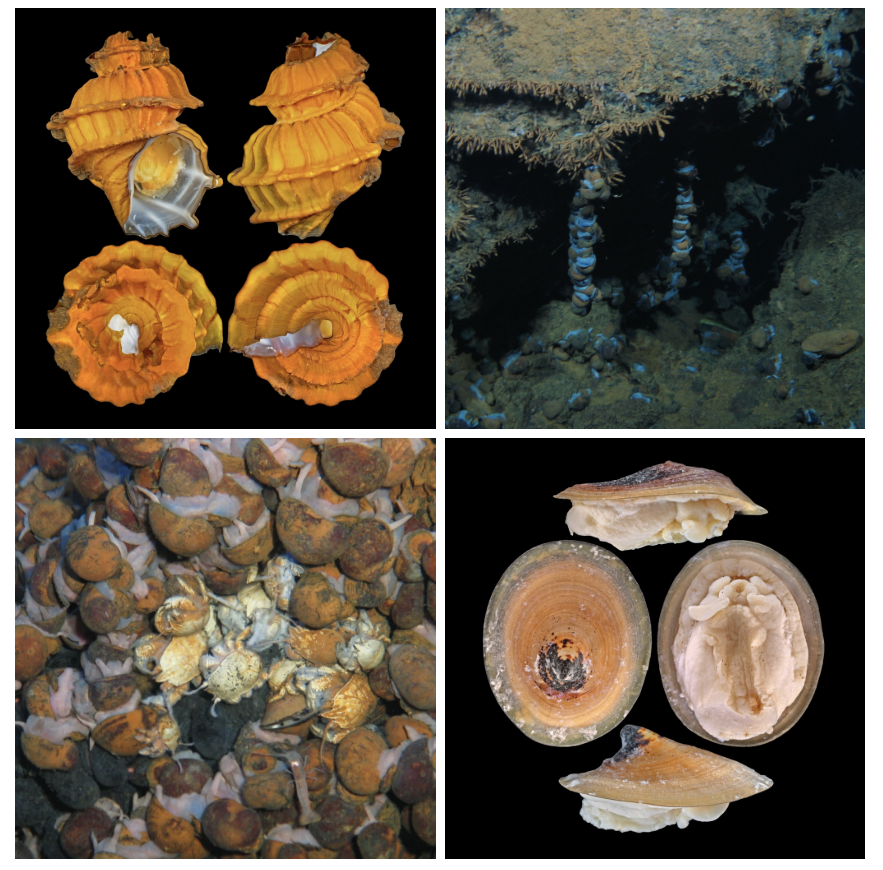
More than 200 mollusc species are known to live exclusively around hydrothermal vents, where water heated by volcanic rock can reach 450°C before jetting through the seabed. Many have been discovered only within the past decade and exist nowhere else on Earth.
“Deep-sea mining would smother the entire ecosystem,” Dr. Chong Chen, a member of the IUCN Mollusc Specialist Group, said. “Allowing these species to go extinct could mean also losing biological solutions to future challenges in medicine, materials, and technology before we have even had the chance to discover them.”
The findings add pressure ahead of the International Seabed Authority’s July 13-31 meeting in Jamaica, where member states will debate rules governing commercial mining on the ocean floor. Researchers say vent species have already inspired advances in biomineralization, nanoparticle production for solar cells and potential alternatives to plastics.
While the IUCN continues to support a moratorium, several governments favour developing the industry, and the Trump administration has accelerated permitting for US companies seeking critical minerals in international waters.
Broader warning
The mollusc assessment forms part of a broader Red List update highlighting how increasingly specialized species are struggling to withstand human pressures despite evolving remarkable survival strategies over millions of years.
“Life on Earth has adapted to survive in the most hostile and unusual habitats, but as pressures on biodiversity mount across the planet, even the creatures with the most ingenious survival strategies are under threat,” IUCN Director General Dr. Grethel Aguilar said. “But there is a clear path out of the biodiversity crisis: nature conservation works.”
The Red List notes that some species remain protected. More than 30 vent molluscs are not considered threatened because they live inside marine protected areas where mining is prohibited, including the ornate snail Provanna exquisita in the Mariana Arc of Fire National Wildlife Refuge. Others have fared far worse. The Indian Ocean snail Lirapex felix is now classified as critically endangered because of mining activity.
Recent scientific findings have also strengthened concerns over seabed mining’s environmental impact. A study published in December found macrofaunal animal density fell 37% and species richness declined 32% within two years after a deep-sea mining machine disturbed the seabed in the Clarion-Clipperton Zone, the world’s largest experimental assessment of mining impacts.
The five-year project tracked the removal of 3,000 tonnes of polymetallic nodules from a depth of 4,280 metres and was commissioned by Nauru Ocean Resources, a subsidiary of The Metals Company (NASDAQ: TMC).
Researchers said the findings suggest mining could cause widespread disruption to deep-sea ecosystems, while Greenpeace said the results add to growing scientific evidence that commercial seabed mining poses significant risks to ocean biodiversity.
The latest Red List also highlights conservation successes. Australia’s numbat has recovered from the brink of extinction through predator control and habitat protection, while the IUCN earlier this year warned emperor penguins are now officially threatened as climate change melts the sea ice they depend on to raise their chicks.
More News

{{ commodity.name }}
{{ post.title }}
{{ post.date }}
Comments