Energy price volatility has long-tail effects on commodities, says manganese producer
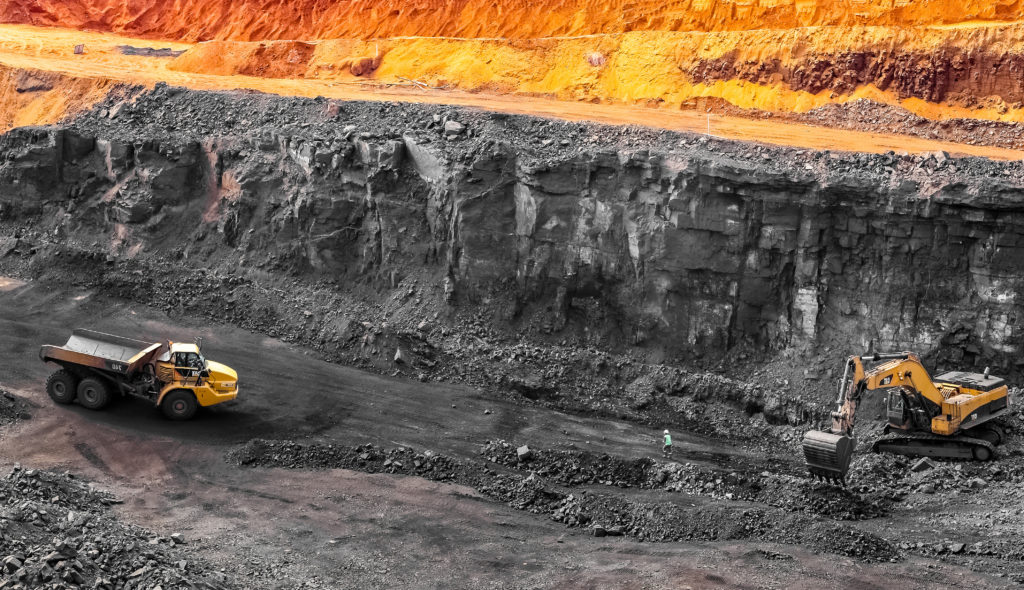
Volatility in global oil markets and the potential long-tail effects on shipping and energy pricing could have far-reaching consequences for commodity markets and South Africa’s mineral export sector, according to United Manganese of Kalahari (UMK).
Oil prices have surged sharply in recent weeks amid supply uncertainty linked to instability in parts of the Middle East. The movements in energy markets have already raised concerns across several commodity-dependent sectors where fuel costs account for a significant share of operating and logistics expenses, UMK chief executive Malcolm Curror said in a statement on Wednesday.
According to Curror, the mining sector is especially vulnerable to sudden fluctuations in energy prices and maritime transport costs. “Energy is embedded in nearly every stage of the mining value chain,” he said. “It runs from operating heavy equipment through to transporting ore by rail, road, and ship. When fuel prices rise sharply, the cost pressures ripple through logistics networks, freight rates and ultimately pricing.”
“Mining operates within highly interconnected global supply chains, so movement in one part of the system tends to influence the entire value chain,” he added.
Shipping markets are also responding to increased global uncertainty. Industry analysts have reported vessels being rerouted in certain regions, while freight insurance premiums and transport costs have started to rise.
Adjustments in global shipping patterns can tighten available capacity and raise costs for exporters, in addition to higher fuel input expenses,” Curror continued. “For a commodity exporter such as South Africa, logistics efficiency and energy pricing are crucial factors in maintaining competitiveness.”
The past week has seen significant market volatility and concomitant to that increases in jet fuel pricing of up to 70% in some geographic areas in South Africa along with already reported shortages of Diesel in the agriculture production sector.
South Africa is the world’s largest producer of manganese ore; a mineral widely used in steelmaking and industrial manufacturing. Much of the country’s production is exported to steel producers in Asia and Europe, making the sector dependent on affected global shipping routes and stable freight costs.
While commodity markets can sometimes withstand input cost increases during periods of disruption, Curror warned that prolonged volatility is not ideal for either producers or consumers of South African exports. “Commodity producers prefer stable operating environments where energy costs and shipping routes remain predictable,” he said.
Curror added that the company will continue closely monitoring developments in global oil markets and maritime logistics. “UMK will continue operating as a responsible manganese producer while limiting ore transportation by road where possible to reduce diesel exposure, despite placing pressure on export volumes.”
{{ commodity.name }}
{{ post.title }}
{{ post.date }}

Comments