India invests $2B for SMRs as Saudi Arabia eyes nuclear power development
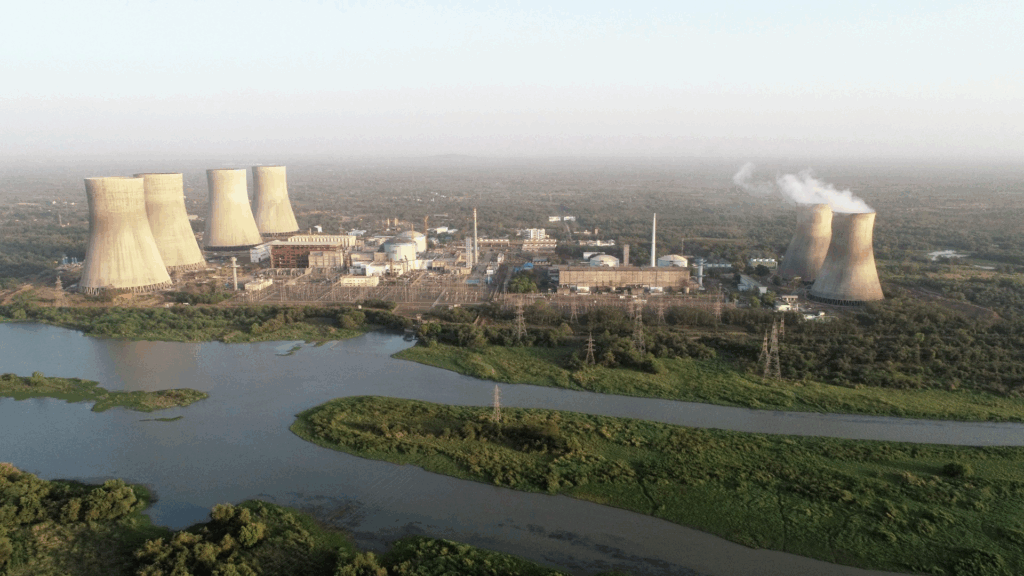
Nuclear power continues to build momentum worldwide as India and Saudi Arabia this week advanced plans to further enter the energy sector, while the Sprott Physical Uranium Trust (TSX: U.U for USD; U.UN for CAD) bought 50,000 lb. of uranium oxide as the spot price rose slightly.
India is earmarking around $2 billion to build at least five small modular reactors (SMRs) by 2033, Atomic Energy Minister Jitendra Singh said Wednesday, India’s Economic Times reported. It’s part of a broader plan to expand nuclear power 11-fold to 100 gigawatts (GW) by 2047 from the current 8.8 GW.
Three designs for the SMRs are being developed by the Mumbai-based Bhabha Atomic Research Centre: reactors with 220-megawatt and 55-MW capacity and one with less than 5-MW output that would be gas-cooled and used as s source of heat for producing hydrogen, Singh said.
Going nuclear
The SMR announcement comes just over a week after India’s state-owned company NTPC said it’s looking into financing overseas uranium mines to source fuel for its ambitious nuclear development plans. While the South Asian country has uranium mines, they’re said to be of only medium tonnage and low grade. Amid its nuclear push, India signed a $1.9-billion deal with Cameco (TSX: CCO; NYSE: CCJ) in March to supply uranium ore concentrate; and in February, Kazatomprom (LSE: KAP), the world’s top producer of uranium, agreed to sell a significant amount of output to India.
More countries are working to adopt nuclear energy as an alternative to fossil fuel power production and to provide electricity supplies for growing economics and power-hungry AI data centres.
The uranium spot price gained 10¢ to reach $85.70 per lb. on Wednesday, extending a months-long period of stability after a volatile first quarter that saw the price briefly spike above $100 per pound.
US-Saudi deal
Meanwhile, Saudi Arabia and the United States signed agreements this week that could pave the way towards a Saudi civilian nuclear power program. It could also allow the kingdom to build standard AP1000 commercial nuclear reactors, BMO Capital Markets said in a note Thursday.
“These agreements reflect our two nations’ shared commitment to strengthening U.S.-Saudi commercial relations, delivering prosperity at home and security to our allies abroad,” US Energy Secretary Chris Wright said in a Department of Energy release. “These agreements uphold the highest standards of nuclear safety and non-proliferation, while relying on the world’s best nuclear technology and scientists, designed right here in the United States.”
The nuclear cooperation deal is to provide access for American companies in Saudi Arabia’s nuclear energy program, the DOE said.
The United Arab Emirates and Iran are the only Middle Eastern countries with operating nuclear power plants, according to the International Atomic Energy Agency. Nuclear reactors are under construction in Egypt and Turkey.
Sprott’s buying spree Sprott’s 50,000-lb. purchase of uranium oxide (U3O8) on Wednesday now brings its holdings of the nuclear metal to 81.5 million lb., BMO said, marking a year of buying sprees for the physical uranium holder. In February, it bought 250,000 lb. of U3O8, its biggest purchase since the fund formed in 2021.
More News

{{ commodity.name }}
{{ post.title }}
{{ post.date }}
Comments