Op-Ed: Gabon’s Atlantic advantage — a new force in global potash
For decades, the global potash sector has been shaped by a small number of producing nations led by Canada, Russia and Belarus, whose resources play a critical role in supporting agricultural production worldwide.
As demand for potash continues to increase and governments place greater emphasis on developing resilient supply chains, new sources of supply from stable regions outside major conflict zones are needed. Of all the emerging jurisdictions seeking to develop their fertilizer industries, Gabon offers a unique combination of promising geological prospects, a strategic location and ongoing infrastructure development.
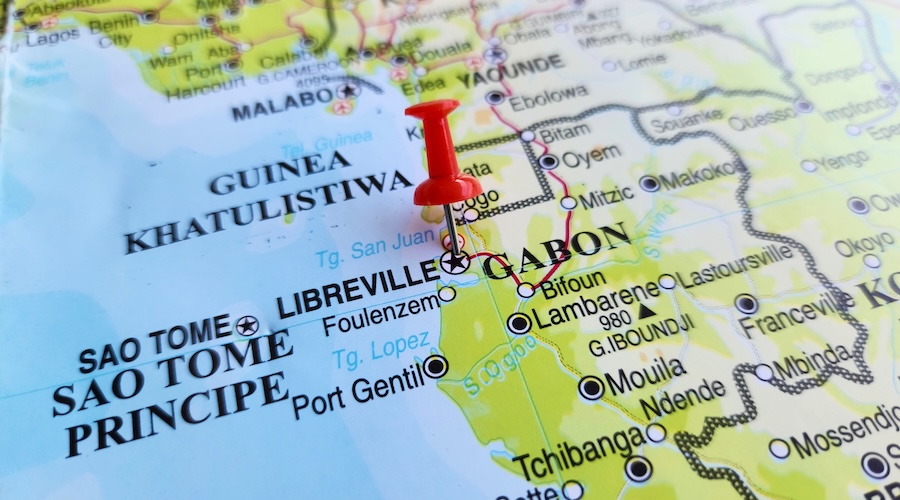
Positioned along the Atlantic coast of Central Africa, Gabon is an emerging player on the global potash scene. The country possesses many of the characteristics industry insiders look for when evaluating the next generation of potash-producing regions.
As part of its mining sector strategy, President Brice Clotaire Oligui Nguema has made mining a strategic pillar of the country’s economic diversification efforts.
“It is important to highlight that Gabon is endowed with significant mineral resources, including potash. Potash represents a key resource in a global context marked by strong demand for agricultural inputs and the need to secure supply chains,” says Sosthène Nguema Nguema, Gabon’s Minister of Mines and Geological Resources.
The geological opportunity
Gabon represents one of the most prospective yet undeveloped potash basins on Earth. While exploration remains relatively limited compared with more established regions, data to date indicate enormous potential for large-scale potash mining.
In a recent Forbes Africa article examining the country’s emerging potash sector, Agricultural Business Chamber of South Africa economist Thapelo Machaba observed that “Gabon’s strength isn’t just what’s been discovered. It’s how little of the land has actually been explored.” She further suggested that the country’s resources could ultimately exceed 10 billion tonnes, highlighting the significant geological potential that remains to be evaluated.
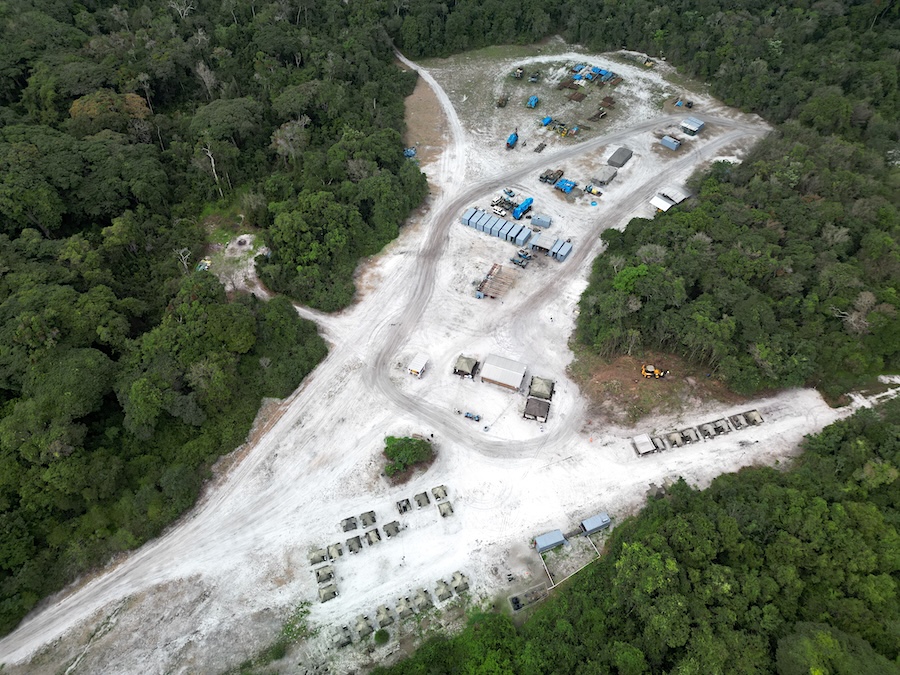
For investors and industry participants, geology alone is never enough. Equally important is the ability to move product efficiently to the right markets. This is where Gabon possesses another significant advantage.
Atlantic access and global markets
Unlike many inland potash projects around the world, Gabon’s potash resources are located directly on the Atlantic coast. Geography may ultimately prove to be one of the country’s greatest strengths.
As Forbes Africa noted, “Sail directly west from Gabon’s coastline, and you’ll end up in Brazil.”
With imports estimated at approximately 13 million tonnes annually, Brazil is the world’s largest potash importer. The opportunity to supply one of the world’s largest agricultural markets, along with the United States, another major potash-consuming nation, through direct Atlantic shipping routes provides a natural competitive advantage that few emerging potash jurisdictions can match.
Today, shipping routes are more relevant than ever. Recent global supply chain disruptions have reminded governments and corporations that supply chains can be easily affected by geopolitics, regional conflicts and transportation bottlenecks. Once again, Gabon holds an exceptional position because shipping routes between Gabon and key markets avoid major maritime chokepoints, requiring no passage through canals, narrow straits or foreign territories.
It is no accident that the US International Development Finance Corporation has supported potash development in Gabon, particularly as the US government has recently added potash to its critical minerals list.
As supply chain resilience becomes an increasingly important priority for the global economy, the ability to access major agricultural markets directly offers value beyond transportation costs alone.
Building the infrastructure for growth
Another factor supporting Gabon’s rise is its expanding infrastructure base. Across the country, investments in ports, energy and transportation networks are helping create the foundation needed for future industrial development. Successful mining jurisdictions require not only resources but also the infrastructure necessary to bring those resources to market.
Government support also plays an important role. Gabon has demonstrated a strong commitment to promoting investment and economic diversification in recent years. A key component of that strategy is the development of the mining industry, which continues to attract growing interest from foreign investors and resource companies.
“Gabon is committed to supporting serious and responsible mining investors who are engaged for the long term while respecting environmental standards and sustainable development principles,” says Ghislain Moandza Mboma, Director General of Gabon’s National Investment Promotion Agency (ANPI), the government agency responsible for attracting foreign investment, facilitating strategic projects and advancing the country’s economic development agenda.
Gabon offers something increasingly valuable in today’s resource sector: a combination of geological potential and strategic positioning. Many countries possess one or the other. Few possess both.
As the world looks to future potash supplies, resource size and grade will be important, but so too will market access, infrastructure, government support and logistics. Nations that can demonstrate a favourable combination of these factors are likely to attract the greatest investment and long-term development.
Strategic jurisdiction for the future
“Gabon is committed to supporting long-term mining investors who operate in compliance with environmental standards and sustainable development principles,” says Minister Nguema Nguema. “Companies such as Millennial Potash are fully aligned with this vision, contributing to strengthening Gabon’s attractiveness as a leading mining destination and positioning the country as a future major player in Africa’s mining sector.”
Global potash supply has been dominated by a handful of major producers for decades, and that is likely to continue for the foreseeable future. Nevertheless, the industry will require new sources of supply to support global agricultural growth and meet rising demand for potash.
Gabon possesses many of the ingredients necessary for significant growth in its potash sector, including potentially world-class geology, access to Atlantic transportation infrastructure and proximity to key agricultural markets. While much work remains to be done, the foundations for a major new potash-producing jurisdiction appear to be steadily falling into place.
* Farhad Abasov is Chairman and Director of Millennial Potash, advancing the Banio Potash Project in Gabon.

{{ commodity.name }}
{{ post.title }}
{{ post.date }}
Comments