Petra Diamonds cuts put nearly 1,800 jobs at risk, union says
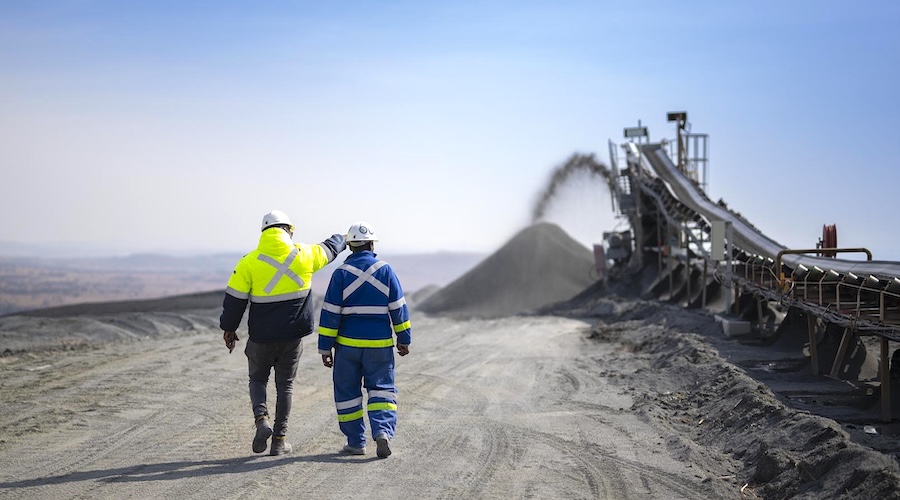
South Africa’s National Union of Mineworkers (NUM) has condemned Petra Diamonds’ (LON: PDL) decision to place its Finsch mine into business rescue and begin a retrenchment process at Cullinan, warning the moves could jeopardize nearly 1,800 jobs and destabilize mining communities across the country.
The union says the business rescue process at Finsch, announced in May, has left about 689 workers facing uncertainty, while a Section 189A notice at Cullinan threatens roughly 1,090 positions. Together, the developments place thousands of livelihoods at risk at two of South Africa’s best-known diamond operations, NUM said.
Petra’s decision to curtail operations at both mines comes amid a prolonged downturn in the natural diamond market, marked by weak prices for smaller stones and geopolitical tensions in the Middle East.
Last week, business rescue practitioners Daniel Theodorus van Jaarsveld and Luke Bernard Saffy formally assumed control of Finsch and began preparing a restructuring plan that creditors will eventually vote on.
“Workers are not a liability on a balance sheet; they are the creators of value and wealth in the mining industry,” NUM Petra Diamonds chief negotiator Masibulele Naki said in a statement. “Without workers, there is no production, and there is no profit.”
Blame debate
Petra said in a June 10 shareholder update that Finsch had begun suspending production while business rescue practitioners prepare a restructuring plan and negotiate a path forward with creditors.
NUM argues mining companies too often turn to retrenchments and business rescue before exhausting alternatives. Naki rejected the industry’s focus on labour costs, saying executive pay, management decisions, market conditions and operational inefficiencies also contribute to financial challenges.
The union acknowledged weaker diamond demand, falling rough diamond prices and competition from laboratory-grown stones, but said workers should not bear the burden of problems they did not create. NUM said it will participate fully in consultations at both mines and push for close regulatory oversight.
Market outlook
The labour dispute comes days after De Beers reported renewed interest in natural diamonds among younger consumers in the US, a trend that could eventually support producers across Africa after several difficult years for the industry.
Independent diamond analyst Paul Zimnisky said his research paints a more cautious picture. Natural diamond demand has contracted sharply during the past four years amid what he described as a “perfect storm” of industry and economic pressures, although higher gold prices, tariffs and labour costs helped support jewellery sales values last year.
Zimnisky noted he is seeing early signs of price support in the rough diamond market that could signal a recovery for mined diamonds. He estimates global natural diamond production will fall to about 90 million carats this year, the lowest level since 1987 and down sharply from more than 150 million carats only a few years ago.
The supply contraction could eventually help rebalance the market, but any recovery may come too late for workers facing uncertainty at Petra’s South African operations.
{{ commodity.name }}
{{ post.title }}
{{ post.date }}
Comments