Summit Nanotech slashes water use by 30% in lithium extraction
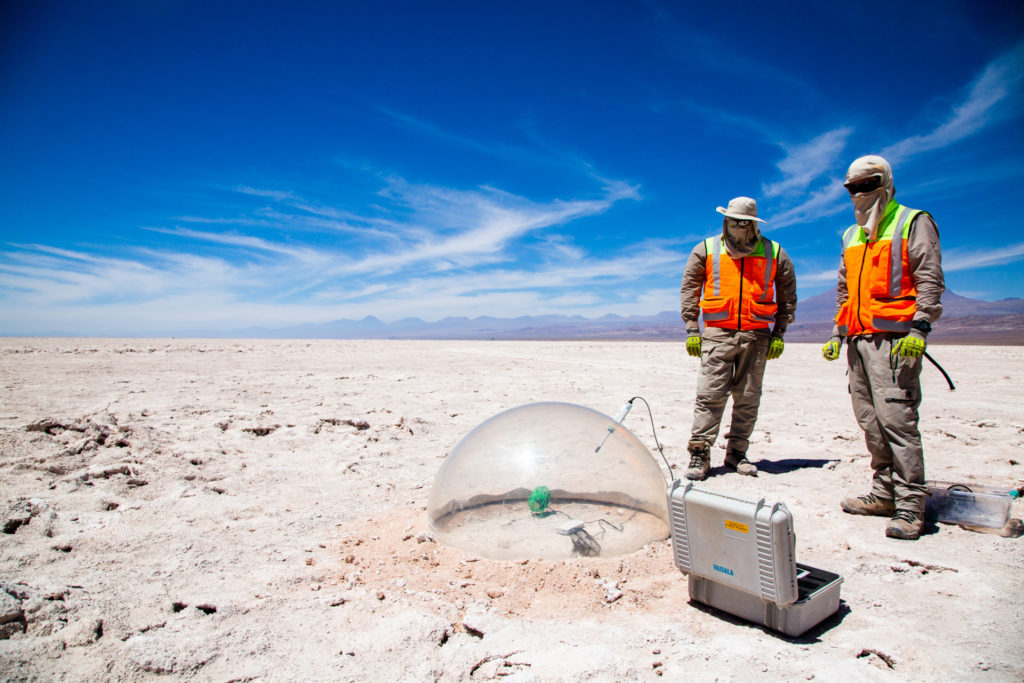
Summit Nanotech announced this week a major breakthrough in water efficiency for lithium extraction, marking a key step toward commercializing its sustainable direct lithium extraction (DLE) technology.
Independent validation confirmed the Chile-based company’s process uses about 30% less freshwater than traditional evaporation ponds and 50% less than current commercial DLE benchmarks. The process maintains high lithium recovery and product quality.
Summit’s proprietary flow sequencing method enables the reduction in water use, requiring minimal make-up water compared with evaporation ponds and other DLE systems, including advanced ion exchange platforms. The method supports closed-loop recovery systems in commercial plant designs, eliminating the need for external water inputs in lithium chloride production.
“After more than 25 years observing lithium operations and process developments across the world, I can say that Summit has crossed a critical threshold in direct lithium extraction,” José de Castro, Chemical Engineer and Independent Industry Advisor at Minería Positiva said in a statement.
“Achieving both exceptionally high recovery and ultra-low water consumption is an extraordinary milestone — one rarely seen in combination. This places summit among the most advanced DLE technologies globally, and very likely at the forefront of the field.”
Summit Nanotech is advancing sustainable lithium production in Chile, Argentina, and the Smackover region of the United States, where oil and gas majors such as ExxonMobil, Chevron, and Equinor are moving to secure domestic lithium supplies.
Growing water use concerns
The company’s innovation comes amid growing concerns about the environmental impact of lithium extraction. Research published earlier this year in Communications Earth & Environment, found that widely used models for estimating water availability in lithium brine systems are off by more than an order of magnitude, suggesting far less water is available than previously believed.
The study also found that over 90% of the brine’s original water content is lost to evaporation, with additional freshwater needed at several processing stages.
Other research indicates that the Atacama Salt Flat in Chile may be sinking by up to two centimetres per year as lithium-rich brine is pumped faster than aquifers can recharge.
{{ commodity.name }}
{{ post.title }}
{{ post.date }}
Comments