Touquoy mine reboot to yield $180M in Canadian gold
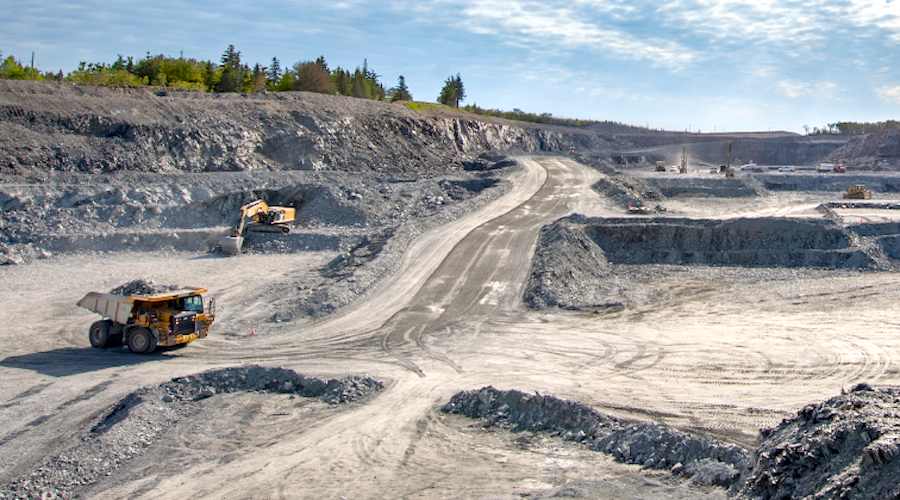
A shuttered gold mine in eastern Canada is set to restart processing operations, extracting an estimated $180 million worth of gold from stockpiled ore as the province of Nova Scotia pushes to revive its mining sector.
Atlantic Mining Nova Scotia, a subsidiary of Australia-based St Barbara Ltd. (ASX: SBM), received provincial approval in April to reprocess about three million tonnes of ore at the Touquoy mine, roughly 70 km northeast of Halifax on Canada’s Atlantic coast.
The stockpile contains about 38,000 ounces of gold, worth roughly $180 million at current bullion prices near $4,750 per ounce. Processing is expected to begin by November, with shipments to the Royal Canadian Mint in Ottawa starting in early 2027. The 14-month campaign is projected to generate C$150 million ($110 million) in economic activity and create nearly 200 jobs.
The restart highlights a broader shift in Nova Scotia’s approach to natural resource development after years of permitting disputes and stalled projects. St Barbara halted mining at Touquoy in 2023 after failing to secure approvals needed to continue operations beyond the original mine plan.
Since then, Premier Tim Houston’s government has promoted critical mineral development and expanded exploration activity, with mining claims and licences climbing sharply over the past year.
The permit for Touquoy follows approval of NexGold Mining’s (TSX-V: NEXC) Goldboro project in Guysborough County, another long-delayed gold development expected to begin construction this year.
“The Government is cutting red tape, investing in geoscience and working with us to attract investment,” Sean Kirby, executive director of the Mining Association of Nova Scotia, told MINING.COM. He added the approval to process Touquoy’s stockpiled ore was another sign the province was becoming more supportive of mining development.
Atlantic Mining has already signed more than $56 million in contracts with Nova Scotia firms to prepare the site. Alva Construction Ltd. secured a $48-million contract to move material and manage waste rock, while MacGregors Industrial Group received an $8-million deal to refurbish the processing mill.
Reclamation work that began after Touquoy closed in 2024 will continue during processing. The province holds a $79.9-million reclamation bond from Atlantic Mining under the Environment Act, and the company says all activity will remain within the mine’s existing footprint.
St Barbara told MINING.COM processing the remaining stockpiled ore and depositing tailings into the exhausted Touquoy pit would improve the site’s final reclamation by storing the material underwater, a method the company says reduces potential environmental impacts.
While in-pit tailings deposition has not previously been used at Nova Scotia mines, the company said the approach is common at operations globally and was designed to meet industry best practices.
“We remain confident that the re-opening of the Touquoy Gold Mine will be beneficial to the Province of Nova Scotia, the rural communities around the mine, our current and future Nova Scotian employees with no adverse impact on our shared environment,” Dustin O’Leary, St Barbara’s business development manger said.
New project in sight
Touquoy is expected to be a bridge to St Barbara’s proposed 15-Mile Processing Hub project, which the company says could operate for more than a decade and generate as much as C$5 billion ($3.7 billion) in economic spinoffs if approved.
The project would combine three historic mining sites into a single operation centred on the 15-Mile processing facility. Ore from the Beaver Dam and Cochrane Hill satellite deposits would be trucked to the main hub for processing.
St Barbara says the project would operate for about 11 years, followed by more than a decade of reclamation work. The company is continuing environmental studies that will form part of the project’s environmental assessment report as permitting advances with provincial and federal regulators. Initial project descriptions are expected to be filed with regulators in June.
More News
Bomb attack damages Ecuador mining agency probing illegal gold
It’s the second blast in recent weeks affecting Arcom offices.
June 29, 2026 | 12:28 pm

{{ commodity.name }}
{{ post.title }}
{{ post.date }}
Comments