USCM, Columbia University eye defence-critical metals in red mud
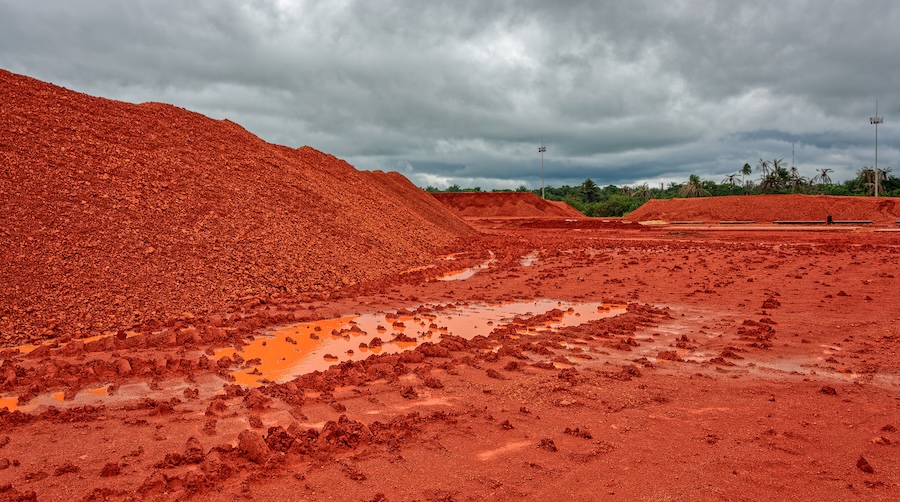
US Critical Materials Corp. and Columbia University have signed a two-year research agreement to develop methods for extracting defence-critical metals from red mud, a byproduct of aluminum refining.
The collaboration aims to unlock domestic sources of gallium, scandium, titanium and rare earth elements, which the US currently imports entirely in the case of gallium and scandium, and which are essential to semiconductors, secure communications, aerospace and advanced weapons systems.
Columbia professor Greeshma Gadikota will lead the program, dubbed “Mud to Metal”, which will focus on recovering these materials from red mud sourced from multiple sites, including operations linked to Alcoa (NYSE: AA).

“Gallium and scandium are strategic choke points for the US defense and aerospace industrial base,” USCM executive chairman Harvey Kaye said in a statement. “This agreement with Columbia positions us to build the scientific foundation for a future domestic supply.”
The effort will test recovery techniques such as oxidative leaching, selective separations and co-recovery processes for titanium dioxide and iron oxide, alongside techno-economic and lifecycle modelling to assess scalability and environmental impact.
The partnership reflects a broader push to reduce reliance on foreign sources of critical minerals and to convert industrial waste streams into viable supply chains, as geopolitical tensions and supply risks intensify around key materials used in next-generation technologies.
US Critical Materials is advancing its flagship Sheep Creek project in Montana, reported to be among the highest-grade rare earth deposits in the country and containing gallium and other strategic minerals, as it builds out a domestic supply platform alongside partnerships with Idaho National Laboratory.
{{ commodity.name }}
{{ post.title }}
{{ post.date }}
Comments