China to open lithium futures to overseas traders next month
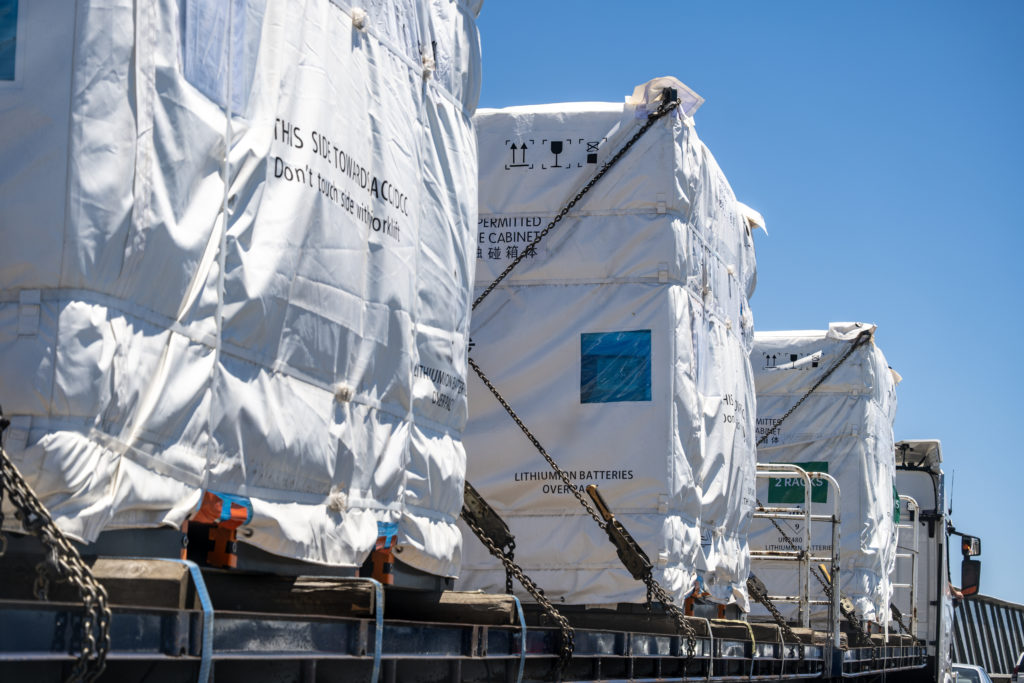
China’s Guangzhou Futures Exchange (GFEX) will open its lithium carbonate futures and options to overseas traders from July 3, giving global investors direct access to hedge in the world’s largest lithium market and boosting China’s sway over pricing.
Thursday’s announcement follows the internationalization in April of China’s main futures for another battery metal, nickel, on the Shanghai Futures Exchange. The lithium contract itself was launched domestically in July 2023.
China’s securities regulator had earmarked both contracts for internationalization at the start of this year, as Beijing pushes wider use of the yuan and seeks greater influence over commodity pricing.
Reference price
Overseas traders will be able to post US dollars as margin for the yuan-denominated lithium futures, subject to a 5% haircut, the exchange said, meaning only 95% of the posted dollar value will count as collateral.
Contracts for delivery from July onward, along with options based on them, will be open to foreign investors.
GFEX has rapidly emerged as a reference price for the lithium market, as China is the world’s biggest consumer of the battery metal and home to two major producers, Ganfeng Lithium and Tianqi Lithium.
“Opening up the lithium carbonate contract not only strengthens (GFEX’s) role as a global pricing benchmark, but also finally gives international companies the ability to hedge their exposure directly in the world’s largest market,” said Tiger Shi, CEO of brokerage Bands Financial.
Bands is among overseas intermediaries that enable overseas investors to trade on GFEX.
The London Metal Exchange and the US COMEX exchange offer lithium hydroxide contracts based on Fastmarkets price assessments. COMEX also has a lithium carbonate contract.
GFEX dominates global lithium futures with 6.3 million lots of volume for its lithium carbonate contract in May, compared to 1,051 lots for the CME lithium carbonate contract. The LME’s lithium hydroxide contract had no trades in May.
The West has sought to establish its own benchmark pricing for critical minerals such as lithium to cut dependence on China, but has struggled because China accounts for both the bulk of output and consumption for many key materials.
(By Dylan Duan, Lewis Jackson, Tom Daly and Eric Onstad; Editing by Philippa Fletcher, Mark Potter and Elaine Hardcastle)
More News
Falco lifts Quebec gold-zinc project value to $2.4B
Initial capital costs rose 62% to C$1.75 billion.
June 18, 2026 | 08:23 am
{{ commodity.name }}
{{ post.title }}
{{ post.date }}
Comments